Guides
How to buy a used car: a checklist that protects you
A step-by-step used car checklist: set a real budget, check the history, inspect and test drive properly, and close the deal without surprises.
 Bitezine Editorial TeamRankings, reviews & guides 6 min read
 AI generated
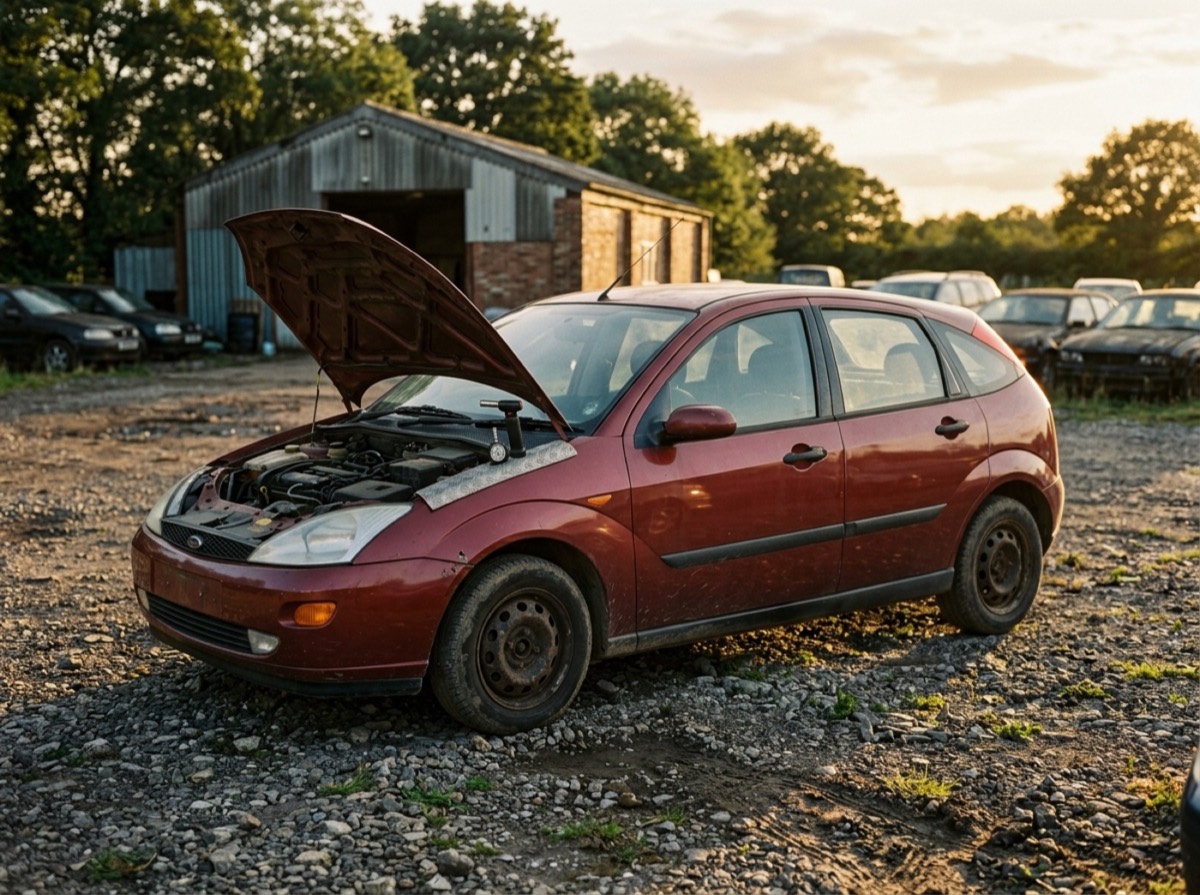
Knowing how to buy a used car well can save you a lot of money and months of stress. A good used car is often the best value on the road, but a bad one can drain your savings through repairs that start the week after you drive it home.
The good news is that most bad deals follow the same patterns, and you can avoid nearly all of them with a steady process. This checklist walks you through each stage, from setting a budget to signing the paperwork, so you stay in control.
Set a total budget, not just a purchase price
The sticker price is only part of what a car costs you. Before you look at a single listing, work out what you can spend in total, including registration, taxes, insurance and a cushion for early maintenance such as tyres, brakes or a service.
Get insurance quotes for the two or three models you like before you commit. Two cars with similar prices can carry very different premiums. If you plan to borrow, arrange your financing with your bank or credit union first, so you can compare it with any dealer offer instead of accepting the first rate you see.
- Purchase price plus taxes and registration fees
- Insurance for the specific model and your profile
- Immediate wear items: tyres, brakes, battery, fluids
- Running costs: fuel or charging, parking, servicing
Choose the right car and the right seller
Pick models with a reputation for reliability and cheap, widely available parts. Owner forums and consumer reliability surveys are useful for spotting known weak points, such as a gearbox that tends to fail at a certain age.
Private sellers are often cheaper, but you get fewer protections and the sale is usually as-is. Dealers charge more, yet they typically must meet legal standards on the condition and description of the car, and many offer a short warranty. Whichever route you take, the checks below still apply.
If a seller will not allow an independent inspection, treat that as a clear answer.
Run a vehicle history check using the VIN
Every car has a vehicle identification number (VIN), a 17-character code usually visible through the windscreen at the base of the driver's side and on a label inside the driver's door frame. Ask the seller for it before you travel to see the car. A seller who refuses is a red flag.
Use the VIN to run a history report through an official government service or a reputable history provider. You are looking for reported accidents, flood or fire damage, theft records, outstanding finance, past use as a taxi or rental, and mileage readings that go backwards. Make sure the VIN on the paperwork matches the numbers on the car itself.
Used car inspection checklist: what to look for
View the car in daylight and in dry weather, since rain and darkness hide paint flaws and leaks. Arrive when the engine is cold, because a warm engine can mask starting problems and smoke. Take your time and do not let the seller rush you.
- Body: uneven panel gaps, mismatched paint colour or overspray on rubber seals, which suggest accident repairs
- Rust: check wheel arches, sills, door bottoms and under the car
- Tyres: even wear across the tread; uneven wear can point to alignment or suspension problems
- Under the bonnet: fluid leaks, milky residue under the oil cap, frayed belts, corroded battery terminals
- Interior: wear on the pedals, seat and steering wheel that matches the claimed mileage
- Electrics: test windows, locks, lights, wipers, air conditioning and every warning light on start-up
- Smell: damp or musty odours and new carpets can hint at flood damage
- Service records: stamps, invoices and a timing belt change if the model needs one
How to test drive a used car properly
Drive for at least 20 to 30 minutes on a mix of roads: slow streets, a faster road and, if possible, a stretch where you can brake firmly. Turn the radio off so you can listen.
The engine should start easily and idle smoothly. Gear changes should be clean, whether manual or automatic. The car should track straight with your hands lightly on the wheel and stop without pulling to one side. Clunks over bumps, whining, grinding or a vibrating steering wheel all need an explanation. After the drive, look under the car again for fresh drips and check that no warning lights have appeared.
Get a pre-purchase inspection from an independent mechanic
Even a careful buyer misses things that a mechanic will spot in minutes on a lift. An independent pre-purchase inspection costs far less than most repairs and gives you either peace of mind or a strong reason to walk away.
Choose a mechanic you pick yourself, not one suggested by the seller. A good inspection covers the engine, gearbox, suspension, brakes, exhaust, underbody and a scan of the car's computer for stored fault codes. If a seller will not allow an inspection, treat that as a clear answer.
How to negotiate the price of a used car
Research the going rate for the same model, age, mileage and trim before you make an offer. Base your offer on that range and on any faults the inspection found, and bring written estimates to back up your numbers.
Negotiate the total price, not the monthly payment, and stay calm and polite. Be ready to walk away. There is always another car, and sellers often call back once you leave. At a dealer, question add-ons such as extended warranties, paint protection or admin fees, which you can usually decline.
Paperwork and payment: closing the deal safely
Before you pay, confirm that the seller's name and address match the registration document and that the car is free of outstanding finance. Get a written receipt or bill of sale listing the price, date, VIN, mileage and both parties' details.
Use a traceable payment method such as a bank transfer, and never send a deposit for a car you have not seen in person. Collect all keys, the service history, the manual and any spare parts. Arrange insurance before you drive away, and complete the change of ownership as your local rules require.
- Registration or title document in the seller's name
- Proof of no outstanding finance
- Bill of sale with VIN and mileage
- Service history and inspection certificates
- All keys and the owner's manual
Frequently asked questions
What is the most important thing to check when buying a used car?
+
The vehicle history and the mechanical condition matter most. A VIN-based history check reveals accidents, theft, outstanding finance and mileage fraud. An independent pre-purchase inspection then confirms what the paperwork cannot.
How many miles is too many for a used car?
+
There is no single cut-off. A well-maintained car with high mileage and full service records is often a better buy than a low-mileage car that has been neglected. Look at the service history, the model's known lifespan and the condition of key parts rather than the number alone.
Is it better to buy a used car from a dealer or a private seller?
+
Private sales are usually cheaper but come with fewer legal protections. Dealers cost more but generally have to meet standards on condition and description, and often include a short warranty. Both require the same history check and inspection.
How long should a used car test drive be?
+
Aim for at least 20 to 30 minutes. That is long enough for the engine to reach full temperature and for you to try different speeds, road surfaces and firm braking.
What are the red flags when buying a used car?
+
Watch for a seller who refuses a VIN, inspection or test drive, a price far below market value, missing service records, mismatched paint and panel gaps, and a name on the registration that does not match the seller. Pressure to pay quickly or by untraceable methods is another warning sign.
What documents do I need when buying a used car?
+
You need the registration or title document, a bill of sale with the VIN and mileage, the service history and proof that no finance is owed. Requirements vary by country, so check your local transport authority's rules for transferring ownership.
Buying a used car rewards patience. Set a full budget, check the history, inspect and drive the car properly, pay for an independent opinion and get everything in writing. If something feels wrong at any stage, walk away. The right car will still be out there, and you will buy it with confidence instead of hope.
How we research: Guides are written from established sources and checked for accuracy. They are general information, not professional advice.
Written by
Bitezine Editorial Team
Rankings, reviews & guides
Our editors research every piece from makers’ documentation, independent tests and owner reports, and update it when products change.