Ranked · Apps
Best language learning apps in 2026
Duolingo, Babbel, Busuu, Pimsleur, italki and more: the ten best language learning apps of 2026, ranked for beginners, travellers and serious learners.
 Bitezine Editorial TeamRankings, reviews & guides 10 min read
 AI generated
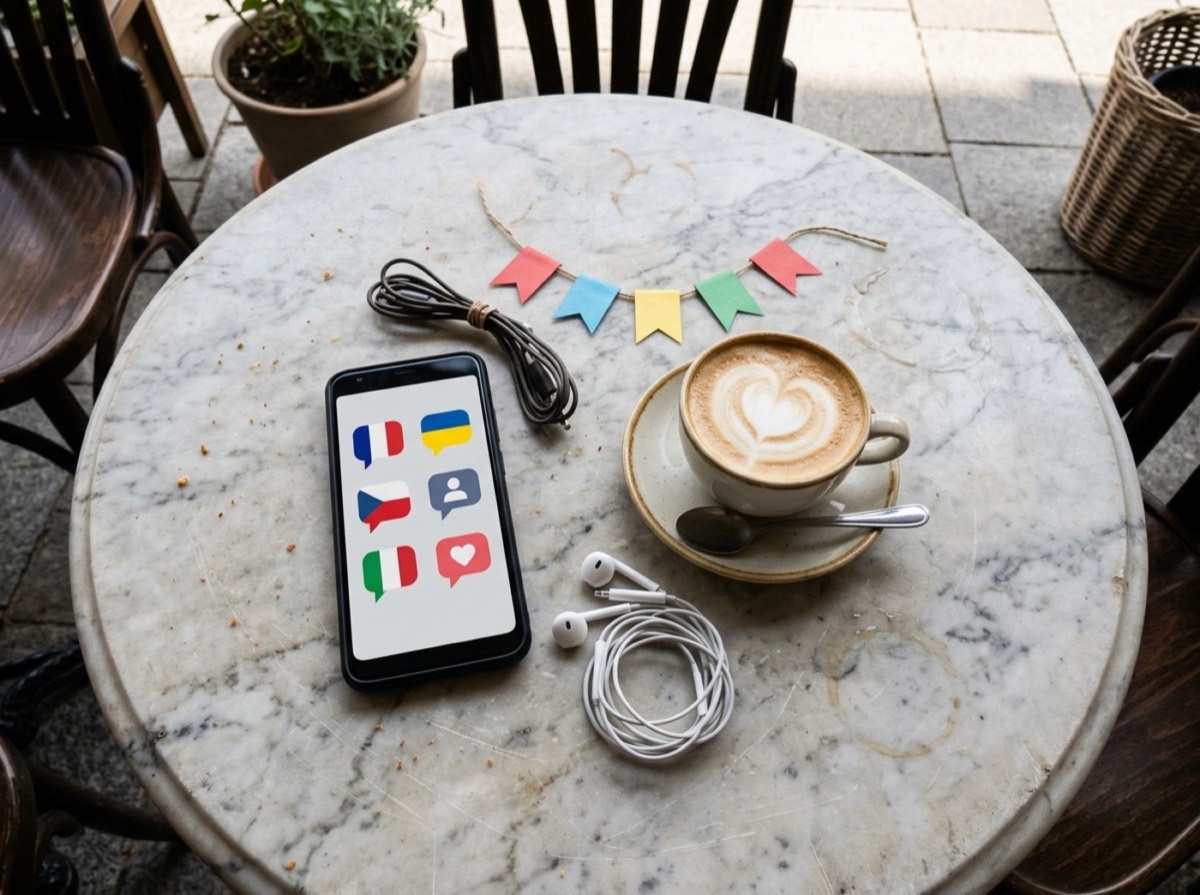
The best language learning apps in 2026 make daily practice easy enough that you actually keep going, whether you want restaurant Spanish for a holiday or German for a new job. Some apps teach through short games, some through structured grammar lessons, some through audio you can follow while driving, and some simply connect you with a real tutor. The right language app depends far more on how you like to learn than on which one has the most downloads.
To build this ranking we compared the most-recommended language learning apps in recent roundups and checked each one's official site for the languages, learning method and plans it offers today. We weighed teaching quality, speaking and listening practice, the range of languages, how motivating the app is day to day, and value, including how much you can do on a free plan. Every app on this list is available in 2026.
#1 · Best for Beginners who want a free daily habit
Duolingo
Best free app for daily habits
Duolingo turns language learning into short, game-style lessons with streaks, leagues and a friendly push to come back every day. It offers dozens of languages, and full courses can be completed on the free plan. The paid tiers remove ads and add extras such as unlimited mistakes and more practice. It is strongest for vocabulary and reading, so pair it with listening and speaking practice elsewhere.
- Bite-sized gamified lessons
- Streaks, leagues and daily goals
- Dozens of language courses
- Also teaches maths, music and chess
- Platforms
- iOS, Android, Web
- Pricing
- Freemium, paid plans remove ads
#2 · Best for Learners who want to speak in real situations
Babbel
Best structured lessons for conversation
Babbel's lessons are built by language teachers around real-life dialogues, with clear grammar notes and speech recognition to practise pronunciation. Courses adapt to your level and focus on phrases you can use right away, which makes it a strong choice for travel and work. It covers the major European languages plus a few others, and paid users can download lessons for offline learning. Babbel is a subscription app with a free first lesson.
- Dialogue-based lessons of about 10 to 15 minutes
- Clear grammar explanations
- Speech recognition for pronunciation
- Review sessions and offline lessons
- Platforms
- iOS, Android, Web
- Pricing
- Paid, first lesson free
#3 · Best for Learners who want human feedback
Busuu
Best for feedback from native speakers
Busuu combines compact, expert-written lessons with a community of native speakers who correct your written and spoken exercises. Courses are aligned to CEFR levels, so it is easy to see where you stand, and a study plan helps you keep a steady pace. The free plan covers the basics, while Premium unlocks the full course, grammar review and offline mode.
- CEFR-aligned courses
- Corrections from native-speaker community
- Personal study plan
- Offline lessons on Premium
- Platforms
- iOS, Android, Web
- Pricing
- Freemium

#4 · Best for Learning by ear on the go
Pimsleur
Best audio course for commuters
Pimsleur teaches through 30-minute audio lessons that prompt you to answer out loud, building listening and speaking skills without needing a screen. The method spaces repetition carefully, so phrases stick, and the app adds reading practice, flashcards and quick games. It covers a long list of languages and suits anyone who learns while driving, walking or doing chores. It is a paid service with a free trial.
- 30-minute spoken lessons
- Hands-free listening and speaking
- Spaced repetition built in
- Wide choice of languages
- Platforms
- iOS, Android, Web
- Pricing
- Free trial, then paid
#5 · Best for Speaking practice with a real person
italki
Best for live lessons with tutors
italki is a marketplace for one-to-one online lessons with professional teachers and community tutors in more than 150 languages. You choose a tutor by price, schedule and teaching style, and pay per lesson with no subscription. It is the fastest way to get real speaking practice and personal correction, and it pairs well with any self-study app.
- One-to-one video lessons
- 150+ languages
- Pay per lesson, no subscription
- Group classes and community features
- Platforms
- iOS, Android, Web
- Pricing
- Pay per lesson
#6 · Best for Everyday phrases and listening
Memrise
Best for real native-speaker videos
Memrise builds its courses around short videos of native speakers, so you hear how people actually talk rather than a synthetic voice. Lessons focus on useful phrases for specific goals, such as travel, work or exams, and include speaking practice. A limited free plan is available, with a subscription for full access.
- Native-speaker video clips
- Goal-based courses
- Speaking and listening practice
- Spaced vocabulary review
- Platforms
- iOS, Android, Web
- Pricing
- Freemium
#7 · Best for Learners who like immersion
Rosetta Stone
Best for full immersion learning
Rosetta Stone teaches entirely in the target language, using pictures and context instead of translations, which trains you to think in the new language. Its speech recognition checks your pronunciation throughout, and the app includes a structured learning path, flashcards and short dialogue practice. It is a paid subscription with a lifetime option, and it suits patient learners who like the immersion approach.
- Immersion method without translation
- Built-in speech recognition
- Structured learning path
- Lifetime plan available
- Platforms
- iOS, Android, Web
- Pricing
- Paid, subscription or lifetime
#8 · Best for Building speaking confidence
Speak
Best for speaking out loud
Speak is designed to get you talking from the first lesson, with a curriculum that teaches phrases, drills them until they feel natural and then puts them into practice conversations. It focuses on a small set of languages, including Spanish, French, Italian, Japanese, Korean, Chinese and English, which keeps the courses deep. You can start free, and full access needs a subscription.
- Speaking-first curriculum
- Pronunciation feedback
- Practice conversations
- Personalised lesson path
- Platforms
- iOS, Android
- Pricing
- Free to start, then paid
#9 · Best for Intermediate learners who love reading
LingQ
Best for learning from real content
LingQ lets you learn from books, podcasts, articles and videos, highlighting words you do not know and tracking your vocabulary as it grows. You can import your own content and read along with audio, which makes it ideal for intermediate learners who want lots of real input. The free plan limits how many words you can save, while Premium removes the cap.
- Import articles, books and videos
- Interactive reader with audio
- Vocabulary review from your reading
- Large library of lessons
- Platforms
- iOS, Android, Web
- Pricing
- Freemium

#10 · Best for Adding vocabulary in spare minutes
Drops
Best for quick vocabulary building
Drops teaches vocabulary through fast, swipe-based games with simple illustrations, in sessions designed to take about five minutes a day. It offers more than 55 languages, including less common ones such as Icelandic, Maori and Yoruba. It does not teach much grammar, so it works best alongside a fuller course. The free version limits daily practice time, and Premium removes the limit.
- Five-minute visual vocabulary games
- 55+ languages
- Mnemonic illustrations
- Visual dictionary
- Platforms
- iOS, Android, Web
- Pricing
- Freemium
How to choose
Start with your goal. For a free, habit-forming start in almost any popular language, a gamified app like Duolingo or Drops works well. If you want clear grammar explanations and practical dialogues, Babbel and Busuu are better structured. If you learn best by listening, Pimsleur's audio lessons fit a commute, and if speaking is your weak spot, look at Speak or book live lessons with a tutor on italki.
Then check the details that matter over months, not days. Make sure your target language is offered at the depth you need, since smaller languages often have shorter courses. Look for speech recognition or real conversation practice, offline lessons for travel, and a free trial so you can test the teaching style. Most learners get the best results by pairing one core app with real input, such as podcasts, graded readers in LingQ or a weekly tutor session.
Frequently asked questions
What is the best language learning app in 2026?
+
For most people Duolingo is the best place to start because it is free, covers many languages and makes daily practice a habit. If you are willing to pay, Babbel offers more structured lessons with clearer grammar and practical dialogues. Many learners combine one of these with a tutor on italki for speaking.
What is the best free language learning app?
+
Duolingo is the best free option, with full courses usable on the free plan if you accept ads and some limits. Drops, Busuu and Memrise also have free tiers, though their best features sit behind a subscription. LingQ lets you read and listen to real content for free with a cap on saved words.
Is Duolingo or Babbel better?
+
Duolingo is better for motivation and a free start, with streaks, leagues and short game-style exercises. Babbel is better for learning to hold real conversations, because its lessons are built around practical dialogues and explain grammar more clearly. Babbel is a paid app, although you can try the first lesson free.
Can you become fluent with a language app alone?
+
Apps are good at building vocabulary, grammar and a daily routine, but fluency also needs lots of listening and real conversation. Most learners reach a solid beginner or lower-intermediate level with an app, then need tutors, conversation partners and native content to go further. italki and similar tutoring services fill that gap.
Which language app is best for speaking practice?
+
Speak is built around speaking out loud, with guided conversation practice in a small set of languages including Spanish, French, Japanese and Korean. Pimsleur trains you to answer spoken prompts, and italki connects you with real tutors for live lessons. Babbel and Rosetta Stone include speech recognition in their lessons.
What is the best app to learn German?
+
Babbel, which is based in Berlin, has a strong German course with clear grammar explanations, and Busuu offers CEFR-aligned German lessons with feedback from native speakers. Duolingo is a good free starting point, and italki has many German tutors when you want to practise speaking.
Are there language apps that work offline?
+
Yes. Babbel, Pimsleur and Busuu let paying users download lessons for offline use, which is handy on flights and trains. If offline learning matters to you, check what your chosen plan includes before you travel, as offline options vary between apps and tiers.
Duolingo is still the best free language learning app for building a daily habit, while Babbel is the best paid choice if you want structured lessons that get you talking about everyday situations. Add italki when you are ready to speak with a real person, and use Pimsleur for listening on the go. Whichever app you choose, fifteen focused minutes a day will take you further than an occasional long session.
How we research: We compare each product on the same criteria, using makers’ documentation, independent reviews and owner feedback, and re-check the list when products change.
Written by
Bitezine Editorial Team
Rankings, reviews & guides
Our editors research every piece from makers’ documentation, independent tests and owner reports, and update it when products change.