Culture
What makes a classic novel? The qualities that help books last
What makes a classic novel? We look at how critics define a classic, the qualities lasting books share and how to start reading classics without feeling intimidated.
 Bitezine Editorial TeamRankings, reviews & guides 6 min read
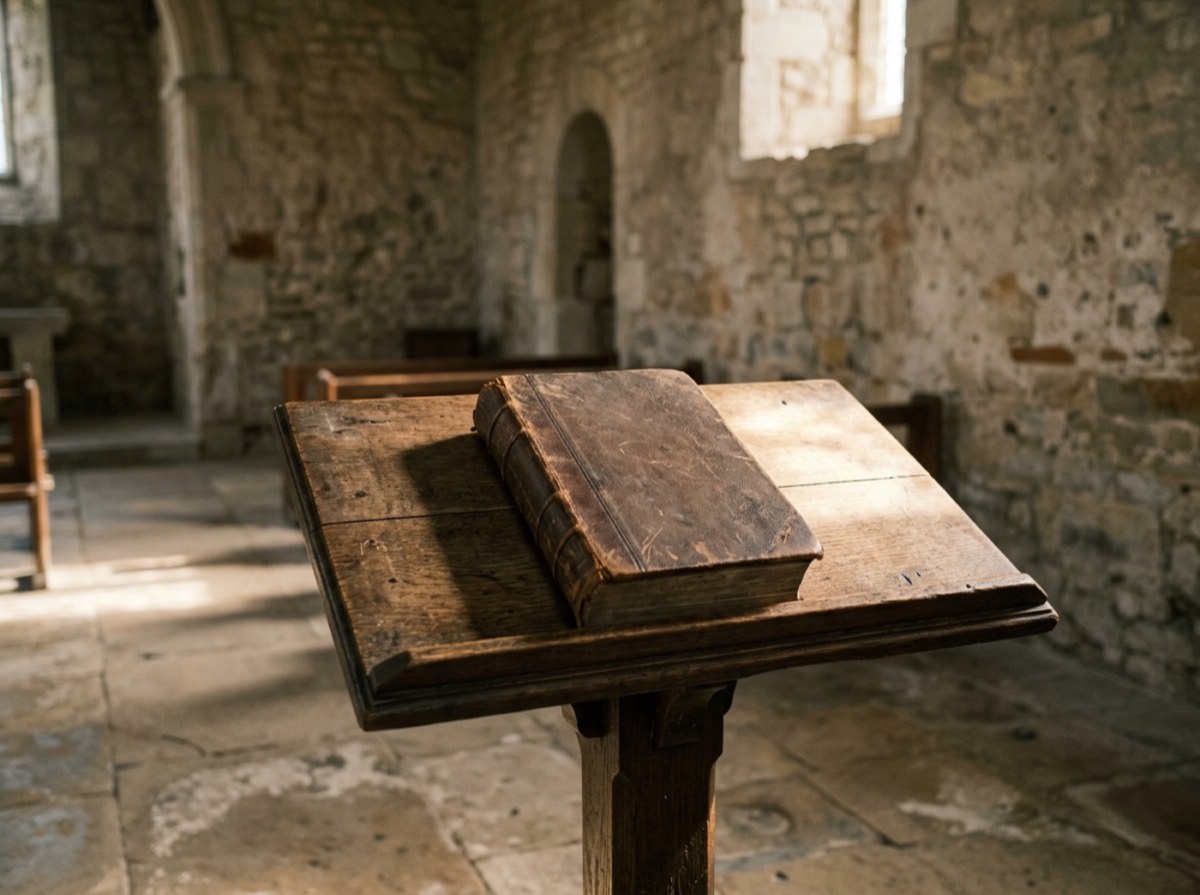 AI generated
What makes a classic novel is a question readers, teachers and critics have argued about for centuries, and there is still no official rulebook. No committee stamps a book as a classic. Instead, the label grows out of time, readers and a set of qualities that keep a story meaningful long after its author has gone.
This explainer sets out how well-known writers have defined a classic, the traits most lasting novels share, how the canon changes and how to approach classic literature if it has always felt like homework.
What is a classic novel? A working definition
In everyday use, a classic novel is a work of fiction that has stayed widely read, taught and discussed well beyond its own era, and that is judged to have lasting artistic value. Two parts matter in that definition: endurance and quality. A bestseller that vanishes after a decade is not a classic, and neither is an old book nobody reads.
The word itself comes from the Latin classicus, which referred to the highest class of Roman citizens. Over time it came to mean a work of the first rank, and later a work worth studying as a model.
How famous writers have defined a classic
The most quoted answer comes from the Italian novelist Italo Calvino, whose essay Why Read the Classics? offers a series of definitions. His best known is that a classic is a book that has never finished saying what it has to say. Calvino also noted that a classic is something you tend to reread rather than read, because it changes as you change.
Earlier, the French critic Charles Augustin Sainte-Beuve wrote an 1850 essay titled What Is a Classic?, arguing that such works enrich the human mind and have a lasting, coherent quality. T. S. Eliot gave a lecture with the same title in 1944, focusing on Virgil and on maturity of language and culture. The poet Ezra Pound put it more simply: a book is classic because of a certain freshness that never wears off.
And there is the joke. In a speech from 1900, Mark Twain described a classic as something that everybody wants to have read and nobody wants to read. It is funny because it is half true, and good classics are the ones that prove it wrong.
A classic is a living consensus, not a monument.
The qualities classic novels tend to share
No single feature guarantees classic status, but most enduring novels combine several of the following.
- Universal themes: love, ambition, guilt, freedom, family and mortality matter to readers in any century.
- Complex characters: people who contradict themselves and grow, so readers can argue about them for generations.
- Distinctive style: a voice or structure recognisable within a page, and often imitated later.
- Many layers: a story that works on first reading and reveals more on the third.
- A window on its time: an honest record of how people lived, thought and spoke in a particular place.
- Influence: later writers borrow its ideas, forms or characters, and it shapes the genre that follows.
- Relevance that shifts: each generation finds new questions in it, often ones the author never intended.
How old does a book have to be to be a classic?
There is no fixed age. Many readers use a rough rule of thumb that a book should stay in print and in conversation for at least a generation or two before it earns the word. The test of time works like a filter: fashions fade, and what survives has usually proved it can speak to people who share none of the original context.
That is why the term modern classic exists. It describes a more recent novel, often from the twentieth century, that critics and readers already treat as essential. Whether it will still be read in another hundred years is an open question, which is part of the fun.
Who decides? Schools, critics, publishers and readers
The set of works a culture treats as essential is often called the literary canon. It is shaped by school and university syllabuses, by critics and prize juries, by publishers who keep titles in print and, above all, by readers who keep recommending them.
The canon is not fixed. Over recent decades it has widened to include many writers who were overlooked in their lifetimes, including women, writers of colour and authors writing outside Europe and North America. Some books once considered essential have faded. Knowing this helps: a classic is a living consensus, not a monument.
Why are classic books still worth reading?
Classics give you shared reference points. Phrases, characters and plots from them turn up constantly in films, journalism and everyday speech, and knowing the source makes all of that richer.
They also train attention. Older novels often move at a slower pace and use longer sentences, which rewards focus. And they offer something a contemporary book cannot: a direct line into how people in another time felt about the same problems we face now.
How to start reading classics without the homework feeling
Choose a classic that matches your existing taste. If you like thrillers, pick a nineteenth-century crime or adventure story. If you love romance, begin with a novel of manners. Shorter classics are a gentle entry point.
Pick a readable modern translation for books not written in your language, and do not be afraid of an edition with notes. Listening to an audiobook, reading alongside a friend or joining a book club can carry you through slower opening chapters. If a book is not working after a fair try, set it aside and come back later. Calvino himself argued that classics should be read for pleasure, not duty.
Frequently asked questions
What makes a book a classic?
+
A book becomes a classic when it stays widely read and discussed long after publication and is judged to have lasting artistic value. Most classics combine universal themes, memorable characters, a distinctive style and influence on later writers.
What is the difference between a classic and a modern classic?
+
A classic has usually proved itself over a long period, often a century or more. A modern classic is a more recent book, typically from the twentieth century onward, that readers and critics already regard as essential even though its long-term survival is still being tested.
Who decides what counts as a classic novel?
+
No single authority decides. The status emerges from readers, teachers, critics, publishers and later writers over time. Schools and universities play a big role because the books they teach stay in circulation.
What did Italo Calvino say a classic is?
+
In his essay Why Read the Classics?, Calvino offered several definitions. The most famous says a classic is a book that has never finished saying what it has to say, which explains why rereading one keeps revealing something new.
Can a genre novel be a classic?
+
Yes. Crime, science fiction, horror, fantasy and romance all have books that are widely treated as classics. What matters is lasting readership and quality, not the shelf a book sits on.
What is a good first classic novel to read?
+
Pick a relatively short classic in a genre you already enjoy, in a clear modern edition. Starting with a story that matches your taste makes it far more likely you will finish and want to read another.
What makes a classic novel is less a checklist than a long conversation between a book and its readers. Universal themes, rich characters and a distinctive voice give a story the chance to last; generations of readers decide whether it does. The best way to understand classic literature is simply to pick one up and see what it still has to say to you.
How we research: Guides are written from established sources and checked for accuracy. They are general information, not professional advice.
Written by
Bitezine Editorial Team
Rankings, reviews & guides
Our editors research every piece from makers’ documentation, independent tests and owner reports, and update it when products change.