Culture
Dieter Rams' ten principles of good design, explained
Dieter Rams' ten principles of good design, explained in plain language: what each one means, where they came from and how to use them today.
 Bitezine Editorial TeamRankings, reviews & guides 7 min read
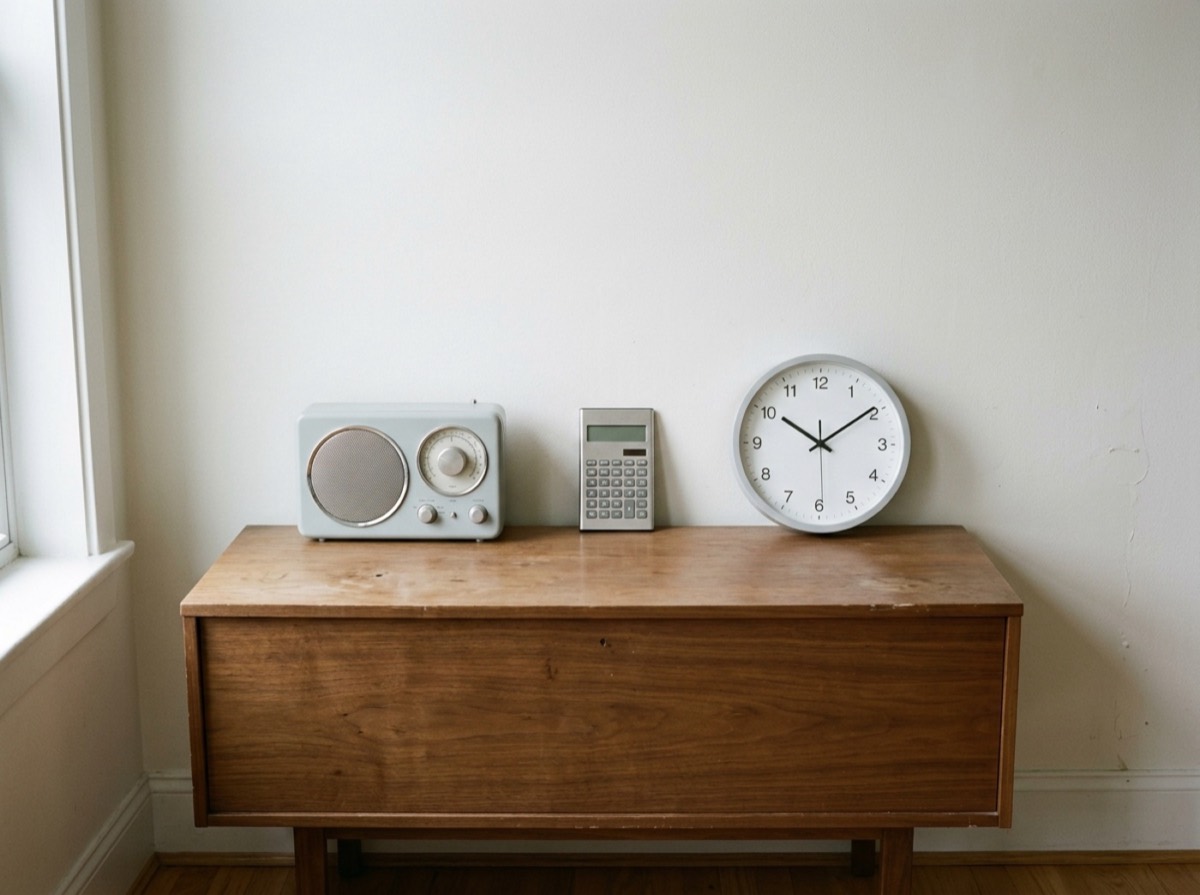 AI generated
Dieter Rams' ten principles of good design are among the most cited ideas in modern design. Written by the German industrial designer who shaped the look of Braun's products for decades, they offer a short test for whether something has been designed well, whether it is a radio, a chair, a website or a kitchen tool.
Below you will find the background to the principles, each one explained in plain language, and practical ways to use them in your own work or when choosing what to buy.
Who is Dieter Rams?
Dieter Rams was born in Wiesbaden, Germany, in 1932. He trained in architecture and interior design and joined the electrical appliance maker Braun in 1955. By 1961 he was leading its design department, a role that defined his career until he left the company in the 1990s.
Under his direction, Braun produced radios, record players, calculators, shavers and kitchen appliances known for calm forms, clear controls and restrained colour. He also designed furniture, including a modular shelving system from 1960 that is still in production.
His motto, 'Weniger, aber besser', translates as 'less, but better'. It sums up an approach that removes whatever is not needed so the essential parts can work and read clearly. His influence is visible in many later consumer electronics, where designers have openly acknowledged a debt to his work.
Where the ten principles of good design came from
Rams set out the principles around the late 1970s and early 1980s. He had grown uneasy about a world filling up with products that competed for attention through novelty, decoration and noise rather than usefulness. He wanted a way to judge his own work and explain what he meant by good design.
The result was a list of ten short statements. They are not a style guide or a set of rules for how things should look. They are questions a designer can ask of any object: does it serve people, is it clear, is it honest, will it last?
The test is whether each element earns its place.
The ten principles, explained one by one
Here is each principle in our own words, with what it means in practice.
- Innovative: good design moves things forward. New technology creates chances to solve problems in better ways, but innovation should serve the product, not exist for its own sake.
- Useful: a product is bought to do a job. Design should strengthen that job, including its practical, psychological and aesthetic sides, and cut anything that gets in the way.
- Aesthetic: beauty matters because we live with objects every day. A well-made, pleasing form is part of usefulness, not a separate layer added on top.
- Understandable: a good product explains itself. Its form should make clear what it does and how to use it, ideally without a manual.
- Unobtrusive: products are tools, not art pieces or status symbols. Their design should be neutral and quiet, leaving room for the people who use them.
- Honest: design should not pretend. It should not make a product look more powerful, valuable or advanced than it is, or manipulate buyers with false promises.
- Long-lasting: good design avoids trends that date quickly. It aims to stay relevant and useful for many years, in contrast to a throwaway culture.
- Thorough to the last detail: nothing is left to chance. Care and precision in every part show respect for the person who will use the product.
- Environmentally friendly: design should help conserve resources and reduce physical and visual pollution across a product's whole life.
- As little design as possible: focus on the essential. Strip away the unnecessary so the core function is clear and pure.
What 'less, but better' really means
The tenth principle is often reduced to 'minimalism', but that misses the point. Rams was not arguing for empty, cold or decorative simplicity. He was arguing for concentration: fewer elements, each doing its job well.
A minimalist look can still be bad design if it hides controls, confuses users or uses fragile materials. Equally, a product with many functions can follow the principle if every part is necessary and clearly organized. The test is whether each element earns its place.
How the principles connect to sustainability
Several of the principles point in the same direction: honest, long-lasting, thorough and environmentally friendly products are made to be kept, not replaced. Rams has spoken often about his concern with overconsumption and the waste created by products designed to look outdated quickly.
Today these ideas line up with repairability, durable materials, timeless forms and buying fewer, better things. Read together, the principles make a strong case that the most sustainable product is often the one you do not need to replace.
How to apply Dieter Rams' principles today
Although they were written with physical products in mind, the principles translate well to digital interfaces, architecture, branding and even writing. A simple approach is to use them as a review checklist.
- Ask what the product is for, and remove features that do not support it.
- Check whether a first-time user can understand it without instructions.
- Look for decoration or claims that exaggerate what it does.
- Question choices that follow a trend and may look dated in a few years.
- Review small details: edges, spacing, labels, error states, packaging.
- Consider materials, energy use, repair and what happens at the end of its life.
Common criticisms of the ten principles
No design philosophy is beyond debate. Some critics say the principles favour a particular Western, modernist taste and undervalue ornament, playfulness and cultural expression. Others note that 'unobtrusive' can clash with products meant to delight or stand out.
Rams himself has described the list as something that should keep evolving, not a fixed doctrine. The most useful way to treat the principles is as prompts for thinking, not as a rulebook that decides every choice.
Frequently asked questions
What are Dieter Rams' 10 principles of good design?
+
In short, good design is innovative, useful, aesthetic, understandable, unobtrusive, honest, long-lasting, thorough down to the details, environmentally friendly, and involves as little design as possible.
When did Dieter Rams write the ten principles?
+
He developed them around the late 1970s and early 1980s, during his long tenure as head of design at Braun. They grew out of his concern about cluttered, attention-seeking products.
What does 'less, but better' mean?
+
It is Rams' motto, from the German 'Weniger, aber besser'. It means concentrating on the essential elements of a product and doing them well, rather than adding features or decoration.
Are Dieter Rams' principles still relevant?
+
Yes. Designers of apps, websites, buildings and everyday products still use them as a checklist, and their emphasis on durability and honesty fits closely with modern sustainability goals.
Is Dieter Rams a minimalist?
+
He is often called one, but his focus was on function and clarity rather than a minimalist style. Simplicity in his work is a result of removing the unnecessary, not a visual goal in itself.
Which company is Dieter Rams known for?
+
He is best known for his work at Braun, the German appliance maker, where he joined in 1955 and led design from 1961 for several decades. He also designed furniture that remains in production.
Dieter Rams' ten principles have lasted because they are about people, not fashion. They ask whether a design is useful, clear, honest and built to endure. Whether you design products, screens or spaces, or simply want to buy better things, running through the list is a quick way to tell good design from noise.
How we research: Guides are written from established sources and checked for accuracy. They are general information, not professional advice.
Written by
Bitezine Editorial Team
Rankings, reviews & guides
Our editors research every piece from makers’ documentation, independent tests and owner reports, and update it when products change.