Food & Drink
What are superfoods? The marketing term, the evidence and a balanced view
What are superfoods? Where the term comes from, how the EU regulates it, what nutrition experts say and how to eat nutrient-rich foods without the hype.
 Bitezine Editorial TeamRankings, reviews & guides 5 min read
 AI generated
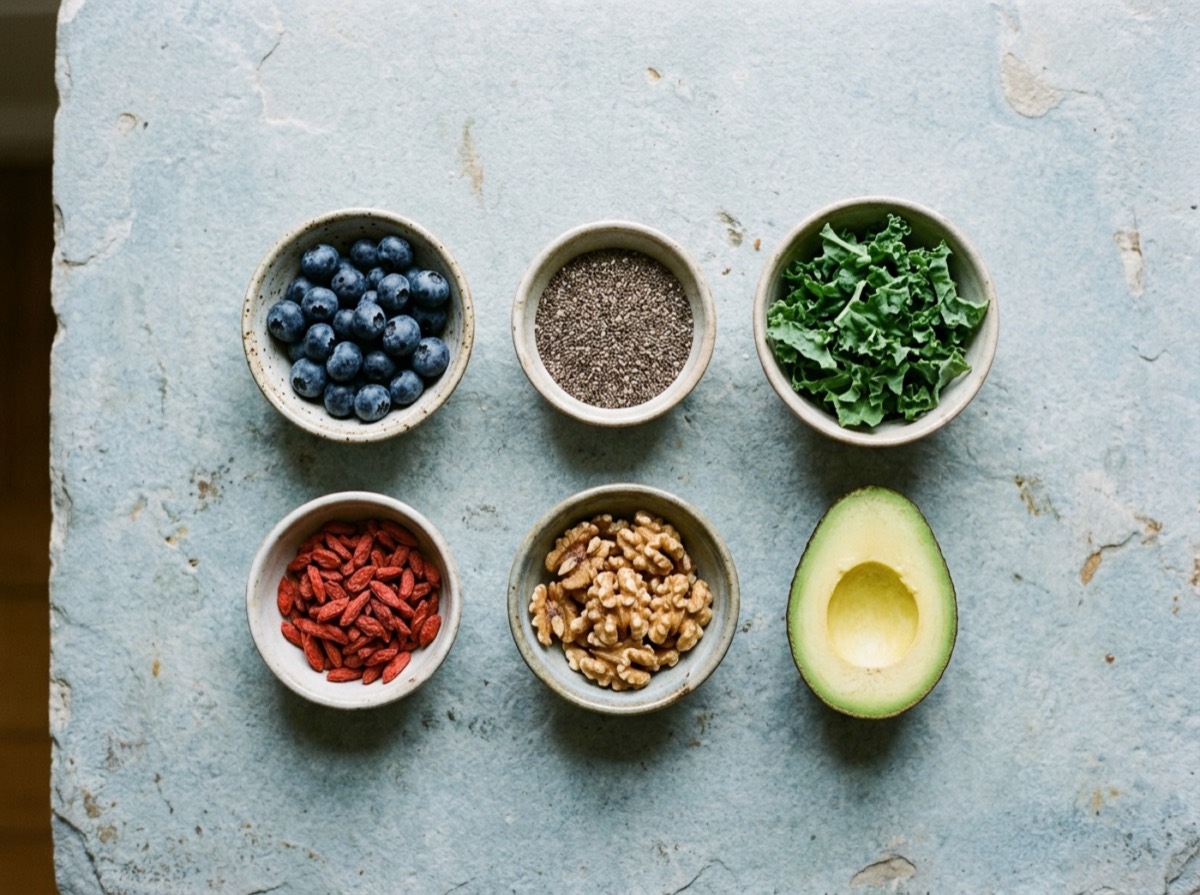
What are superfoods? The word appears on berries, seeds, powders and whole shelves of health food shops, yet it has no scientific or legal definition as a food category. It is best understood as a marketing term for foods said to be especially rich in nutrients or beneficial plant compounds.
This guide explains where the word came from, how European law treats superfood claims, what nutrition experts say about it, and how to get the real benefits of nutrient-dense foods without paying for hype. It is general information, not medical or dietary advice.
Superfood meaning: where the term comes from
One early recorded use of the word is in a Canadian newspaper in 1949, describing the nutritional qualities of a muffin. It became widespread from the late 1990s and 2000s, when it was used heavily to market specific foods, supplements and diet books.
Foods commonly labelled as superfoods include berries such as blueberries and acai, seeds such as chia, flax and hemp, leafy greens such as kale, algae such as spirulina, and items such as goji berries, matcha, turmeric and quinoa. Many of them are genuinely nutritious; the question is whether they are uniquely so.
Are superfoods real?
Nutrition scientists and dietitians generally say no single food has special powers. Organisations such as Cancer Research UK have described 'superfood' as essentially a marketing tool with little scientific basis. Many foods sold as superfoods are rich in fibre, vitamins, minerals or antioxidants, but so are many ordinary fruits, vegetables, pulses and whole grains.
Laboratory and animal studies on isolated compounds are often used to promote superfoods. Results from such studies do not necessarily translate to people eating normal portions of a food. Human research consistently points to overall dietary patterns, such as eating plenty of plants, fibre and minimally processed foods, rather than any one ingredient.
No single food can fix a diet, however it is labelled.
How the EU regulates superfood claims
In the European Union, nutrition and health claims on food are governed by a regulation that applies since 2007. Under these rules, general references to health benefits, which is how 'superfood' is usually understood, may only be used if they are accompanied by a specific health claim that has been scientifically assessed and authorised.
In practice, this means a product cannot simply call itself a superfood to suggest it is good for your health. Authorised health claims are listed in an EU register and relate to specific nutrients at specific levels, such as a vitamin contributing to normal immune function. Some foods traditionally marketed as superfoods, such as chia seeds, were also assessed under EU novel food rules before they could be sold.
Everyday nutrient-dense foods
Many affordable, familiar foods offer a similar nutritional profile to expensive imported products. Focusing on variety across these groups is a practical approach supported by mainstream dietary guidelines.
- Berries, including frozen ones, for fibre and vitamin C
- Dark green vegetables such as spinach, kale, broccoli and cabbage
- Pulses like lentils, beans and chickpeas for protein and fibre
- Oats, barley and other whole grains
- Nuts and seeds, including linseed (flaxseed) and walnuts for omega-3 ALA
- Oily fish such as mackerel, herring and sardines for those who eat fish
- Plain yoghurt and fermented foods
- Colourful vegetables like carrots, beetroot, peppers and red onions
Are superfoods worth the money?
Some foods sold as superfoods are pleasant, convenient and nutritious, and there is nothing wrong with enjoying them. Chia seeds make a useful pudding, frozen acai makes a good smoothie base, and matcha is a traditional tea. The issue is paying a premium in the belief that they will do something ordinary foods cannot.
Before buying, compare the nutrition label with a cheaper alternative. Local linseed has a similar omega-3 and fibre profile to chia, blackcurrants and blueberries are rich in the same families of plant compounds as exotic berries, and cabbage and broccoli are nutritious and inexpensive.
Superfood powders and supplements: points to consider
Powders made from greens, algae, berries or mushrooms are sold as convenient superfood mixes. They can add variety, but they rarely replace the fibre, water and fullness of whole foods, and quality and composition vary between products.
Some ingredients can interact with medication or be unsuitable in pregnancy, for children or for people with certain conditions. Algae products and some imported foods have at times been subject to quality or contamination concerns. If you take medication or have a health condition, talk to a doctor or pharmacist before using concentrated supplements.
A balanced way to use the superfood idea
The useful part of the superfood trend is its reminder that plant foods are worth eating more of. The unhelpful part is the promise that one ingredient can fix a diet or prevent disease.
A practical approach is to eat a wide range of colourful fruit and vegetables, choose whole grains and pulses often, include nuts and seeds, and treat trendy ingredients as optional extras rather than essentials.
Seasonal eating helps too. Many fruits and vegetables are at their most flavourful and affordable when grown locally in season, and frozen or tinned versions without added sugar or salt are a practical way to keep nutrient-rich foods on hand all year.
Frequently asked questions
What is a superfood?
+
'Superfood' is a marketing term for foods said to be unusually rich in nutrients or plant compounds. It has no scientific definition, and no single food can deliver health on its own.
Is 'superfood' a regulated term?
+
In the EU, general health references like 'superfood' can only be used alongside a specific authorised health claim. The term itself is not an official food category anywhere.
What are some examples of superfoods?
+
Foods often marketed this way include blueberries, acai, goji berries, chia and hemp seeds, kale, spirulina, matcha and quinoa. Many everyday foods such as oats, lentils, cabbage and linseed offer comparable nutrients.
Are superfoods healthier than other foods?
+
Some are very nutritious, but so are many ordinary fruits, vegetables, pulses and whole grains. Research points to the overall diet mattering far more than any individual food.
What are cheap alternatives to superfoods?
+
Frozen berries, linseed, oats, lentils, beans, cabbage, carrots, spinach and tinned oily fish are affordable and nutrient-dense. Buying seasonal and local produce also helps keep costs down.
Are superfood powders safe?
+
Many are fine for most people, but quality varies and some ingredients can interact with medication or be unsuitable in pregnancy. Check with a doctor or pharmacist if you have a health condition or take medicines.
So, what are superfoods? Mostly a marketing label placed on foods that are often genuinely nutritious but rarely unique. Enjoy them if you like them, but the benefits people hope for come from a varied, plant-rich diet built on everyday foods. Read labels, be wary of big promises and remember that a bowl of oats with frozen berries is every bit as worthy as a pricey powder.
How we research: Guides are written from established sources and checked for accuracy. They are general information, not professional advice.
Written by
Bitezine Editorial Team
Rankings, reviews & guides
Our editors research every piece from makers’ documentation, independent tests and owner reports, and update it when products change.