Culture
How to watch films more closely: a practical guide to active viewing
Learn how to watch films more closely: what to notice in framing, editing, sound and performance, plus simple habits that turn movie night into real film analysis.
 Bitezine Editorial TeamRankings, reviews & guides 6 min read
 AI generated
Learning how to watch films more closely does not require a film degree. It takes a handful of questions you carry into the viewing, and the patience to notice what the camera, the editor and the sound designer are doing while the story pulls you along.
Most of us watch for plot: who wants what, and do they get it. Close viewing adds a second layer. You start to see why a scene feels tense, why a character suddenly seems lonely, or why an ending lands so hard. This guide covers the main elements of film language, a simple routine for active viewing and ways to make the habit stick.
What does it mean to watch a film closely?
Watching closely means paying attention to how a film creates meaning, not only to what happens. Every shot is the result of choices: where the camera sits, how long the shot lasts, what is in focus, what we hear and what is left out.
A useful way to think about it is that a film speaks in two voices at once. The story tells you facts. The form, meaning the images, cuts and sounds, tells you how to feel about those facts. When the two agree, a scene feels natural. When they pull against each other, a film can become ironic, unsettling or funny.
Framing and composition: read the image
Start with the frame itself. Ask where the characters stand in it and how much space surrounds them. A person squeezed into the corner of a wide shot can feel small or trapped. A face filling the screen in close-up asks you to read emotion directly.
Film scholars use the French term mise-en-scène for everything placed in front of the camera: setting, props, costume, lighting and the actors' positions. Colour is part of it too. Many films give a character or a place its own palette, and a change in that palette often marks a turning point.
- Shot size: wide shots show context, close-ups show emotion.
- Camera height: a low angle can make a figure look powerful, a high angle can make them look vulnerable.
- Depth: what is sharp and what is blurred tells you where to look.
- Lighting: hard shadows and dark corners create unease; soft, even light feels safe.
- Doorways and windows: frames within the frame often suggest confinement or distance.
The story tells you what happens; the images, cuts and sounds tell you how to feel about it.
Camera movement and editing: how a scene is built
Notice whether the camera moves and why. A slow push toward a face builds intensity. A handheld camera can feel urgent or documentary-like. A long take with no cuts makes you share the characters' time and can build enormous tension.
Editing is where much of a film's meaning is made. In the 1910s and 1920s the Russian filmmaker Lev Kuleshov showed audiences the same neutral face of an actor cut together with different images, such as a bowl of soup or a child in a coffin. Viewers praised the actor's range, even though his expression never changed. That idea, now called the Kuleshov effect, is a reminder that the cut itself tells you what a character is thinking.
Pay attention to rhythm as well. Fast cutting raises energy; slower cutting invites reflection. Watch how scenes begin and end, too. A hard cut from a quiet moment to a loud one is a deliberate jolt.
Sound and music: listen as closely as you look
Sound shapes perception more than most viewers realise. Filmmakers distinguish between diegetic sound, which exists inside the story world (dialogue, a car radio, footsteps), and non-diegetic sound, which only the audience hears, such as the score or a narrator.
Try noticing when music starts and stops. A score that swells tells you a moment matters. Silence can be even more powerful, especially after a noisy sequence. Also listen for sound that crosses a cut, where the audio of the next scene begins before the image changes. It links two moments and often hints at a connection between them.
Performance, script and structure
Actors on screen work at a small scale. Watch eyes, pauses and what a character does while someone else is speaking. Reaction shots often reveal more than the line that prompted them.
In the script, look for repeated lines, objects or images. Repetition is one of the clearest signals a filmmaker can send. An object shown early and returned to later usually carries meaning. Consider structure as well: whose point of view do we follow, and what information do we get before or after the characters?
Film techniques to look for: a quick checklist
You do not need to track everything at once. Pick two or three items per film and let the rest wash over you.
- The opening shot: what does it tell you about the world and tone?
- The 180-degree rule: the camera normally stays on one side of an imaginary line between two characters; breaking it can signal confusion or a shift in power.
- Point-of-view shots: when do we see exactly what a character sees?
- Motifs: recurring colours, objects, songs or camera moves.
- Transitions: fades, match cuts and sound bridges.
- The final shot: how does it echo or answer the opening?
A simple routine for active viewing
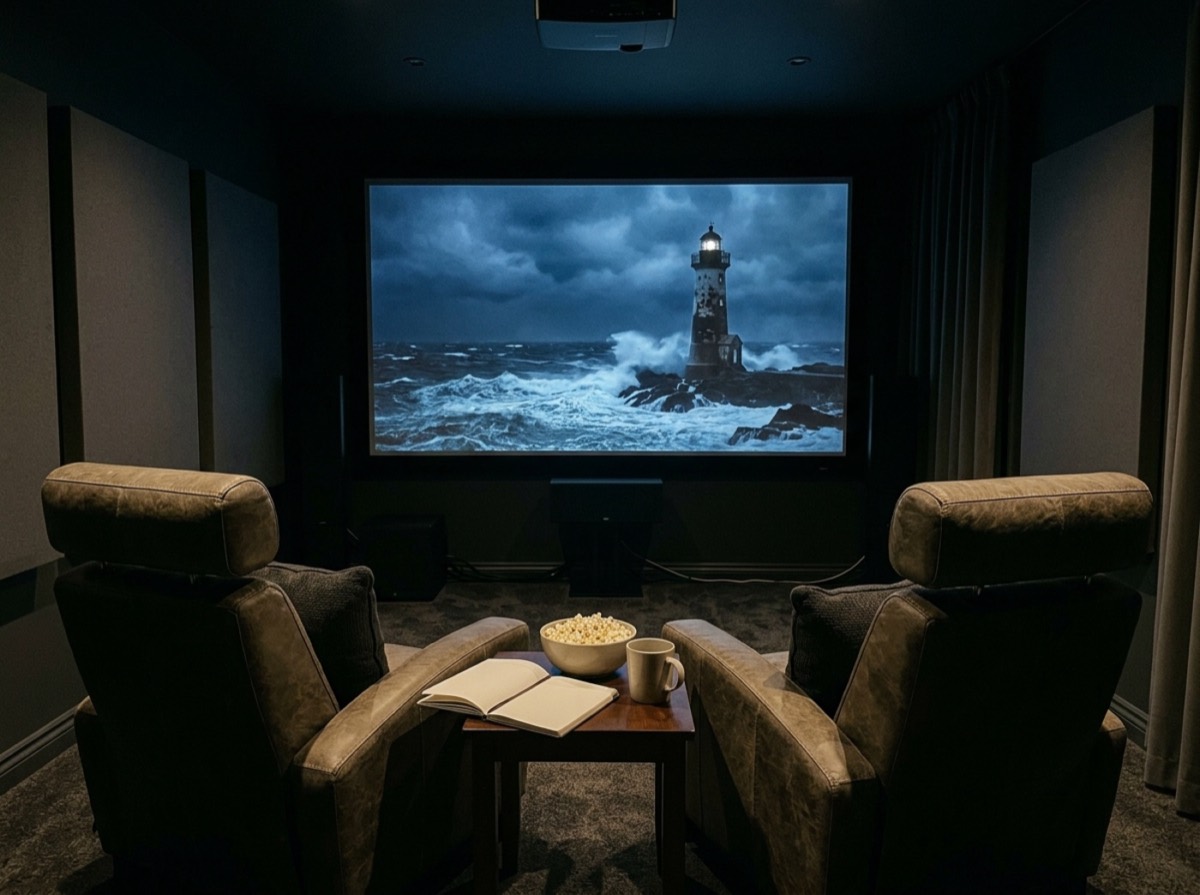
Watch the film once for pleasure. Close viewing works best when you already know the story and are free to look at how it is told. Then return to one or two key scenes and watch them again, ideally without distractions, with the phone in another room.
Keep a notebook nearby and jot down moments that surprise or move you, with a rough time. Afterward, ask three questions: what did I feel, when did I feel it, and what on screen or in the soundtrack produced that feeling? Rewatching a short scene with the sound off, then with the picture hidden, is a revealing exercise that isolates image and audio.
Talking helps too. A friend, a film club or a short written reflection forces you to put impressions into words, and that is where most insight appears. Reading a thoughtful review after your own notes, not before, lets you compare observations without borrowing them.
Frequently asked questions
How do I start analysing a film as a beginner?
+
Watch it once for the story, then rewatch one important scene. Note the shot sizes, camera movement, cuts and music, and ask how each choice affects what you feel. Start with two or three elements rather than everything at once.
What is mise-en-scène in simple terms?
+
Mise-en-scène means everything arranged in front of the camera: sets, props, costumes, lighting, colour and where actors stand and move. It is the visual design of a shot, and it often tells you about character and mood without any dialogue.
What is the difference between diegetic and non-diegetic sound?
+
Diegetic sound belongs to the story world, so characters could hear it, like dialogue or a song on a radio. Non-diegetic sound is added for the audience only, such as the musical score or voice-over narration.
Does watching films closely ruin the enjoyment?
+
Usually the opposite. Most people find that understanding why a scene works makes it more satisfying. If you worry about it, watch the first time purely for fun and save the close attention for a second viewing.
How many times should you watch a film to understand it?
+
There is no fixed number, but two viewings reveal a great deal. The first shows you the story; the second frees you to notice form, foreshadowing and small details you missed while following the plot.
What is the Kuleshov effect?
+
It is the finding, associated with Lev Kuleshov's editing experiments in the early Soviet cinema, that viewers read emotion into a neutral face depending on the shot placed next to it. It shows that editing, not only acting, creates meaning.
Watching films more closely is a skill that grows with practice. Begin with framing, editing and sound, keep brief notes and rewatch the scenes that stay with you. Over time you will read film language almost automatically, and every movie night, from a classic to a new release, will give you more to think and talk about.
How we research: Guides are written from established sources and checked for accuracy. They are general information, not professional advice.
Written by
Bitezine Editorial Team
Rankings, reviews & guides
Our editors research every piece from makers’ documentation, independent tests and owner reports, and update it when products change.