Culture
How to visit a museum with kids: tips for a day everyone enjoys
Make museum trips with children fun: how to pick the right museum, plan a short visit, keep kids engaged with games and handle breaks, food and meltdowns.
 Bitezine Editorial TeamRankings, reviews & guides 6 min read
 AI generated
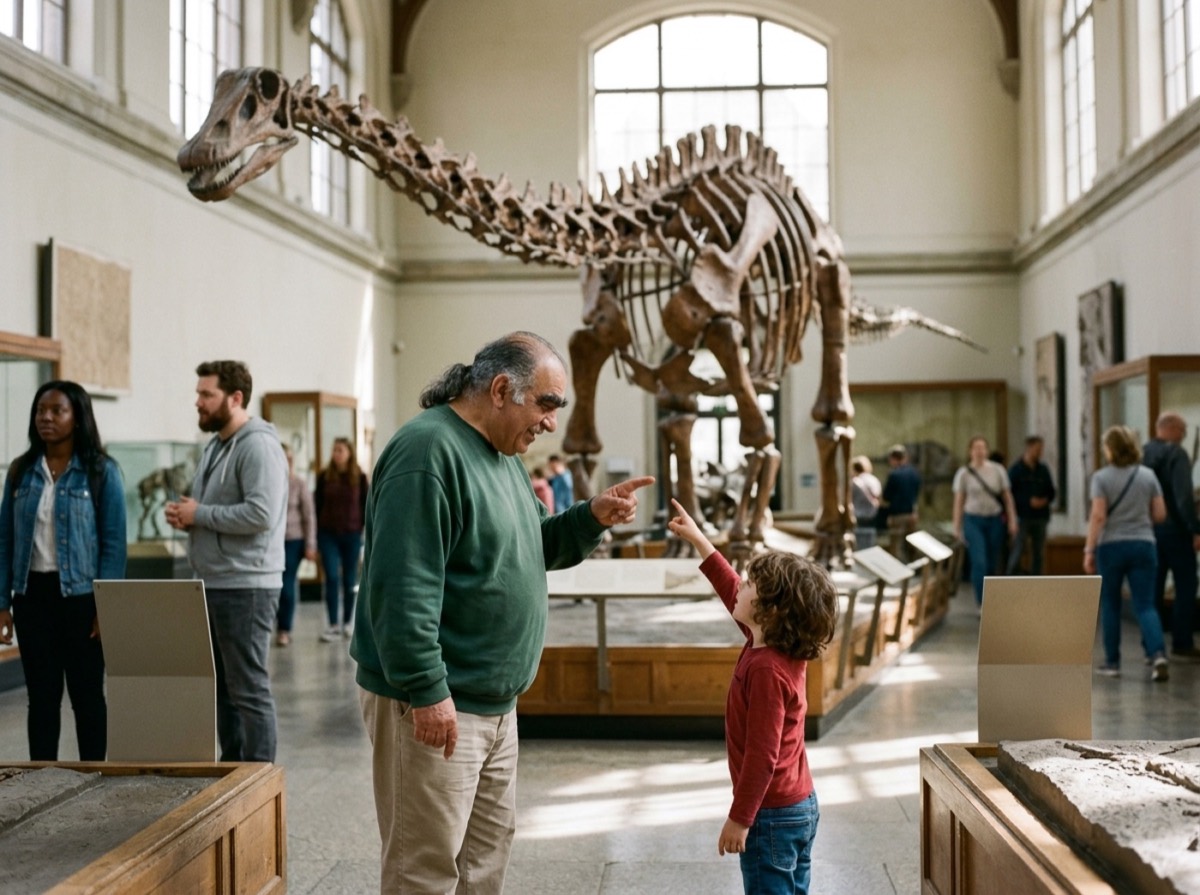
Learning how to visit a museum with kids is mostly about lowering your expectations of how much you will see and raising your expectations of how much fun you can have. Children do not need to see everything. One gallery that sparks real curiosity is worth more than a two-hour march past glass cases.
This guide covers how to choose a family-friendly museum, how to plan and pace the visit, simple games that keep children engaged, what to pack, and how to handle toddlers, tired legs and the inevitable gift shop.
Choose the right museum for your children
Start with your child's interests. A child obsessed with dinosaurs, trains, space or animals will light up in a natural history, transport or science museum. For a first visit, hands-on science centres and children's museums are an easy win, because touching and trying things is the whole point.
Art museums and history museums can be wonderful with kids too, but they suit a shorter, more focused visit. Check the museum's website for family trails, activity sheets, audio guides for children, workshops or dedicated children's areas. Many museums offer reduced or free entry for children, and some have free days, so it pays to look before you go.
Plan a short visit with a clear focus
Most young children have had enough after about an hour, sometimes less. Plan for a short visit and treat anything more as a bonus. Look at the floor plan in advance and pick two or three galleries or objects to find. Having a mission gives the visit a shape and a natural end point.
Involve your children in the planning. Show them a few pictures from the museum's website and let them choose what they want to see. Children who helped plan the trip are far more invested in it.
- Check opening times, quiet periods and any timed-entry booking.
- Arrive early, when galleries are calmer and children are fresh.
- Locate toilets, lifts, cloakrooms and the café on the map.
- Find out whether pushchairs are allowed or whether a carrier is better.
- Decide on a meeting point in case anyone gets separated.
One gallery that sparks real curiosity is worth more than a two-hour march past glass cases.
How to keep kids engaged in a museum
Children engage best when they are doing something rather than just looking. Turn the visit into a game and let them lead where possible. Ask open questions instead of reading every label aloud: what do you think this was used for? Who do you think lived here? What would you add to this painting?
Let children draw or photograph their favourite objects, if photography is allowed. A small sketchbook turns a quick glance into several minutes of close looking, and it becomes a souvenir afterwards.
- Scavenger hunt: search for an animal, a crown, something blue or a particular shape.
- I spy: take turns spotting details in a large painting or display.
- Pick a favourite: each person chooses one object per room and explains why.
- Strike a pose: copy the pose of a statue or a figure in a painting.
- Tell a story: invent what happened just before or after a scene in a painting.
- Count and compare: how many legs, windows, swords or colours can you find?
Visiting a museum with toddlers and babies
Babies are often the easiest museum visitors, especially in a carrier, and a quiet gallery can be a calm place for a parent. Toddlers are a different story: they want to move, touch and make noise. Keep visits short, plan for a hands-on area and give them simple jobs, like finding all the dogs in a gallery.
Explain the rules in toddler terms before you go in: we look with our eyes, we use walking feet and we use quiet voices. Holding hands in rooms with fragile objects helps, and a snack break before energy runs out prevents a lot of trouble.
What to pack for a museum trip with kids
Travel light, because many museums restrict large bags and cloakrooms fill up. A small backpack with the essentials is usually enough.
- Snacks and water for the café or designated eating areas.
- A small notebook and pencils; many museums do not allow pens or markers near exhibits.
- A light layer, as gallery temperatures vary.
- Wipes, nappies and spare clothes for little ones.
- A printed or saved map with your chosen highlights.
- Something small to hold attention in queues.
Museum etiquette for children, explained simply
Children follow rules better when they understand why they exist. Explain that oils and dirt from fingers can damage old objects, that running can knock into displays or people, and that other visitors are enjoying the quiet too. Point out signs that show where touching is allowed, so children learn to look for them.
Be relaxed about normal child noise and movement. Most museums welcome families and staff are usually happy to help, so ask about family activities at the information desk.
Breaks, meltdowns and the gift shop
Plan a break before children ask for one. A snack, a sit in the café or a few minutes outside resets energy levels. If a meltdown does happen, step out of the gallery, take the time needed and decide calmly whether to continue or head home. Leaving on a good note matters more than finishing the plan.
The gift shop can be a flashpoint. Agree a budget or a rule before you go, such as one postcard of a favourite object. After the visit, talk about what everyone liked, look at the drawings or photos and let children suggest the next museum to visit.
Frequently asked questions
What age is best to take kids to a museum?
+
Children of any age can enjoy a museum if the visit is planned around them. Babies travel easily in carriers, toddlers enjoy hands-on areas, and from around school age children can follow trails and join in with activities.
How long should a museum visit be with young children?
+
Around an hour is a good target for young children, sometimes less for toddlers. Focus on two or three highlights and treat any extra time as a bonus.
How do I make an art museum fun for kids?
+
Give children a task, such as a scavenger hunt, drawing a favourite painting or copying a statue's pose. Ask open questions about what they see, and check whether the museum offers family trails or workshops.
Can you take a pushchair into a museum?
+
Many museums allow pushchairs, but some restrict them in busy periods or small galleries. Check the museum's accessibility information before you go, and consider a baby carrier for crowded exhibitions.
What should kids bring to a museum?
+
A small backpack with snacks, water, a notebook and pencils, a light layer and any baby essentials is usually enough. Many museums do not allow pens near exhibits, so pencils are the safer choice.
Are museums free for children?
+
It depends on the museum and the country. Many museums offer reduced or free entry for children, and some have free days or evenings. Check the museum's website before your visit.
A museum visit with kids works best when you plan less and notice more. Choose a museum that matches your children's interests, keep the visit short with a clear focus, turn looking into games and take breaks before anyone needs them. Leave on a high note, and your children will ask to go back rather than groan at the suggestion.
How we research: Guides are written from established sources and checked for accuracy. They are general information, not professional advice.
Written by
Bitezine Editorial Team
Rankings, reviews & guides
Our editors research every piece from makers’ documentation, independent tests and owner reports, and update it when products change.