Food & Drink
How to use chia seeds: pudding, baking, drinks and everyday ideas
How to use chia seeds in pudding, porridge, smoothies and baking, with soaking ratios, a chia egg recipe, nutrition basics and simple safety tips.
 Bitezine Editorial TeamRankings, reviews & guides 5 min read
 AI generated
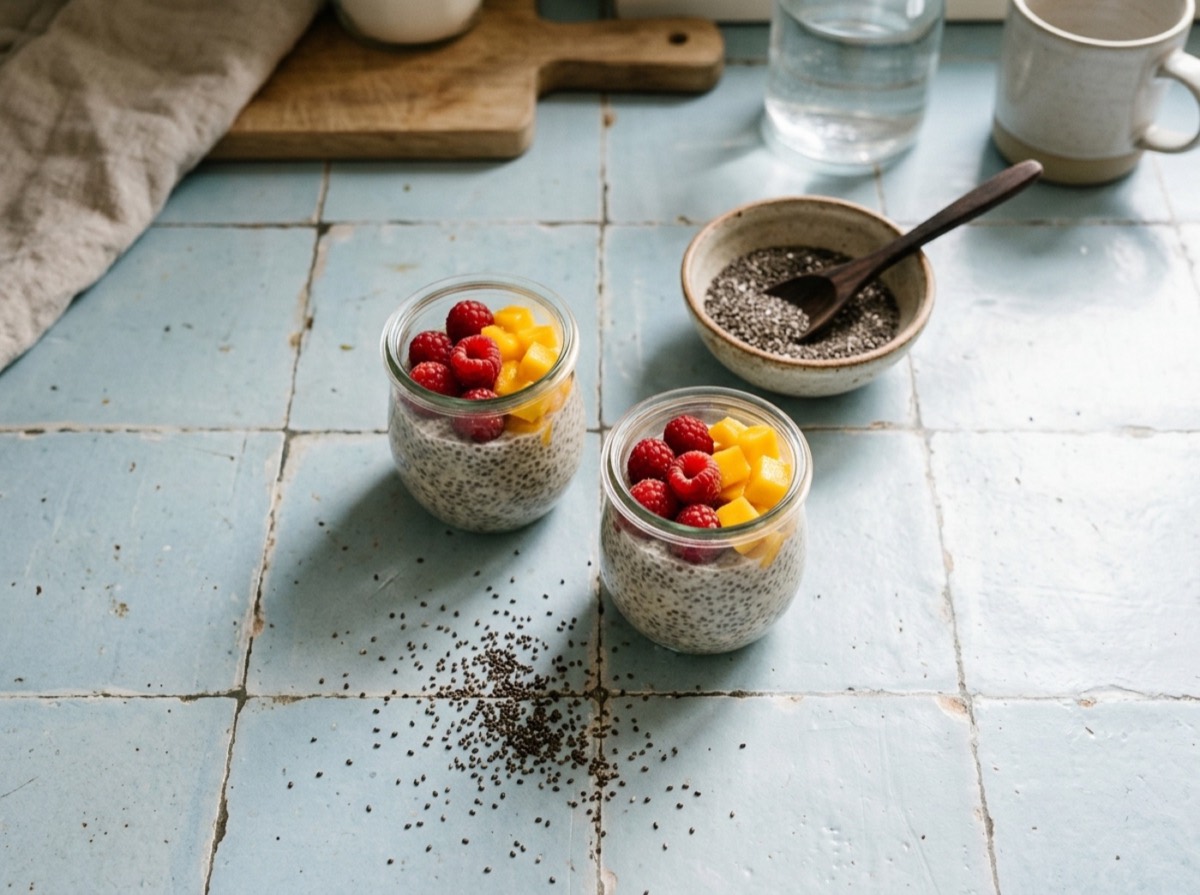
Knowing how to use chia seeds turns a small bag of tiny black and white seeds into a versatile kitchen ingredient. Chia seeds have almost no flavour, absorb liquid to form a soft gel and can thicken, bind or add texture to breakfasts, drinks, jams and baked goods.
This guide covers what chia seeds are, whether you need to soak them, the ratios for pudding and chia eggs, practical ways to eat them every day and a few sensible precautions.
What are chia seeds?
Chia seeds come from Salvia hispanica, a flowering plant in the mint family native to Mexico and Central America. They were an important crop for Mesoamerican cultures and have become widely available worldwide.
The seeds are small and oval, usually black, grey or white, with a neutral, faintly nutty taste. When they meet liquid, their outer layer forms a gel, which is what makes them so useful in cooking. They can absorb many times their own weight in liquid; figures of around ten to twelve times are often quoted.
Chia seeds nutrition basics
Chia seeds are rich in dietary fibre, providing roughly a third of their weight as fibre. They also contain plant protein, fat that is mostly unsaturated, including a notable amount of the plant omega-3 fatty acid ALA, and minerals such as calcium, magnesium, phosphorus and iron.
A typical serving of one to two tablespoons, around 10 to 20 g, therefore adds a useful amount of fibre to a meal. As with any food, the benefit comes from being part of a varied diet rather than from the seeds alone.
Chia seeds are most useful for what they do to liquid: a spoonful turns it into a soft, spoonable gel.
Do you need to soak chia seeds?
You can eat chia seeds dry, sprinkled on food, but most people find them more pleasant and easier to eat when soaked or mixed into moist foods. Soaking also means the seeds have already absorbed liquid before you swallow them.
Eating spoonfuls of dry chia seeds and then drinking water is not a good idea, because the seeds swell quickly. There are medical case reports of dry seeds expanding and causing a blockage in the throat. Stir them into liquid or moist food, and drink plenty of fluids when increasing fibre intake. Anyone with swallowing difficulties should be especially careful and seek medical advice.
How to make chia pudding
Chia pudding is the most popular way to use chia seeds. A reliable starting ratio is 3 tablespoons of chia seeds to 250 ml of milk or plant drink, or roughly 1 part seeds to 5 or 6 parts liquid by volume.
- Stir the chia seeds into the liquid with a little sweetener or vanilla if you like.
- Wait five minutes and stir again to break up clumps.
- Cover and refrigerate for at least two hours, or overnight.
- Stir before serving and adjust with more liquid for a looser texture or more seeds for a thicker one.
- Top with fruit, yoghurt, nuts, cocoa or cinnamon.
How to make a chia egg for baking
A chia egg is a common egg replacement in vegan baking. Mix 1 tablespoon of chia seeds, whole or ground, with 3 tablespoons of water and leave it for 10 to 15 minutes until thick and gel-like. This replaces one egg in recipes where egg mainly binds, such as muffins, pancakes, cookies and veggie burgers.
Ground chia gives a smoother result and hides the seeds better. A chia egg does not whip or rise like egg white, so it is not suitable for meringues, soufflés or very light sponges.
Easy ways to use chia seeds every day
Chia seeds are easy to add to food you already eat.
- Stir a spoonful into porridge or overnight oats; add a little extra liquid
- Blend into smoothies for extra thickness
- Sprinkle over yoghurt, salads or roasted vegetables
- Make quick chia jam: mash about 300 g of warm berries, stir in 2 tablespoons of chia and chill until set
- Add to bread, crackers or granola bars
- Use ground chia to thicken soups, stews and sauces
- Make a fruit drink by stirring a teaspoon into juice diluted with water and letting it gel
How much chia seeds should you eat per day?
There is no official daily amount for most people. Many recipes use one to two tablespoons per serving, which is a common everyday amount. In the EU, chia seeds were assessed as a novel food, and labelling of pre-packed seeds has included a recommended maximum daily intake of 15 g.
Because chia is high in fibre, add it gradually if you are not used to fibre-rich foods, and drink enough fluid. If you take medication, have a digestive condition or a known allergy to seeds, ask a doctor or dietitian whether chia suits you.
How to store chia seeds
Dry chia seeds keep well in an airtight container in a cool, dark cupboard, often for many months. Ground chia seeds are more exposed to air and are best stored in the fridge and used sooner. Prepared chia pudding or chia jam keeps in a covered container in the fridge for a few days.
Frequently asked questions
Can you eat chia seeds without soaking them?
+
Yes, sprinkled on moist foods like yoghurt or salad. Avoid eating spoonfuls of dry seeds followed by water, as they swell quickly, and drink plenty of fluids when eating them.
How long should chia seeds soak?
+
They start to gel within 10 to 15 minutes, which is enough for a chia egg. For pudding, soak at least two hours or overnight in the fridge for the best texture.
What is the ratio for chia pudding?
+
A good starting point is 3 tablespoons of chia seeds to 250 ml of milk or plant drink. Add more seeds for a thicker pudding or more liquid for a looser one.
How do you make a chia egg?
+
Mix 1 tablespoon of chia seeds with 3 tablespoons of water and leave for 10 to 15 minutes until gel-like. It replaces one egg in binding recipes such as muffins and pancakes.
Are chia seeds or flaxseeds better?
+
Both are rich in fibre and the plant omega-3 ALA. Flaxseeds need grinding for the body to use their nutrients well, while chia can be eaten whole; flaxseeds are often cheaper and more widely grown in Europe.
Do chia seeds need to be ground?
+
No. Whole chia seeds soften when soaked and are easy to eat. Grinding gives a smoother texture in baking and sauces.
Once you know how to use chia seeds, they become one of the easiest ingredients to keep in the cupboard. Soak them for pudding, blend them into smoothies, stir them into porridge, set berries into a quick jam or bind vegan bakes with a chia egg. Start with a tablespoon or two, add liquid generously and enjoy them as one part of a varied diet.
How we research: Guides are written from established sources and checked for accuracy. They are general information, not professional advice.
Written by
Bitezine Editorial Team
Rankings, reviews & guides
Our editors research every piece from makers’ documentation, independent tests and owner reports, and update it when products change.