Culture
How to start collecting art on any budget
How to start collecting art without a fortune: where to find work, how to judge prints and editions, what paperwork to keep and how to care for pieces.
 Bitezine Editorial TeamRankings, reviews & guides 6 min read
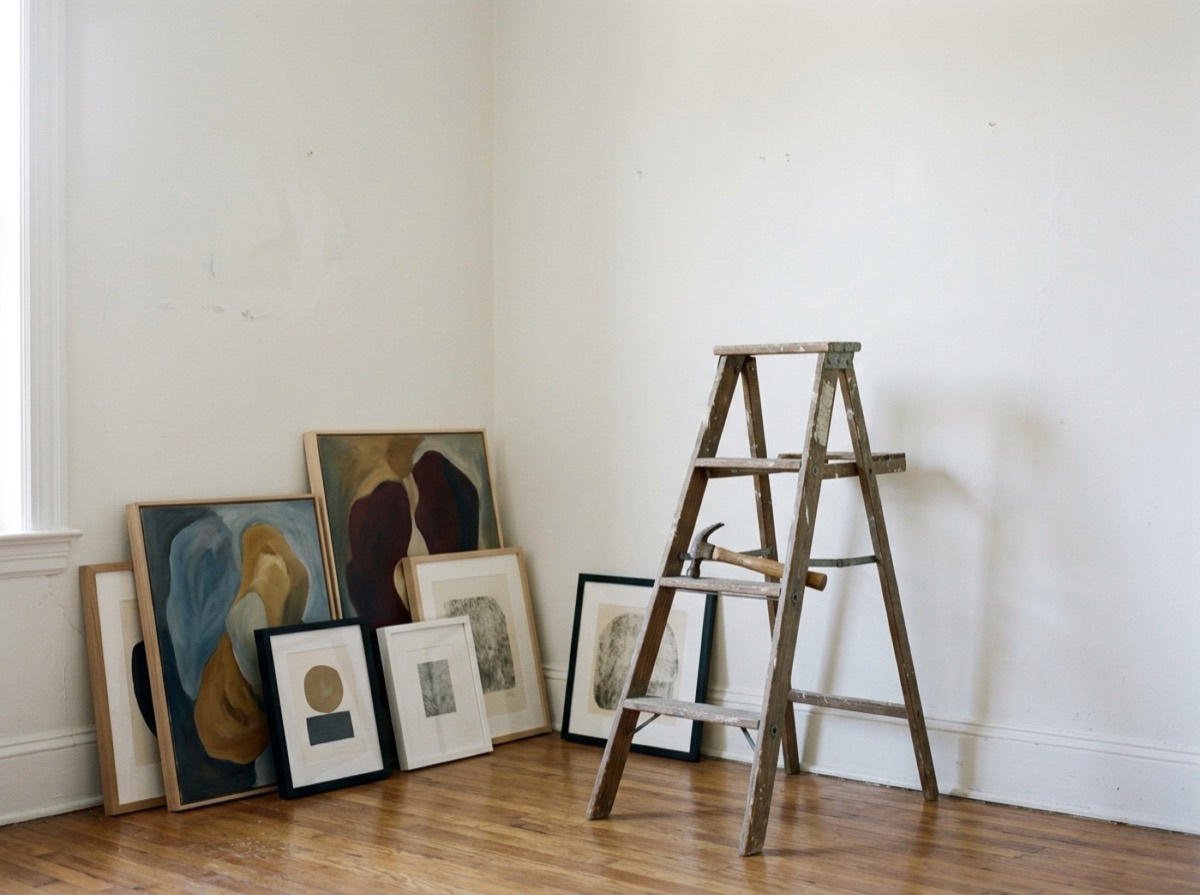 AI generated
If you want to know how to start collecting art, the first thing to learn is that you do not need to be rich. Many serious collections began with a small print bought at a student show or a drawing picked up from a local gallery.
This guide covers how to train your eye, where to find affordable original work, what editions and certificates mean, how to set a budget, and how to frame and care for what you buy so it lasts for decades.
Start by training your eye
Collecting begins long before you buy anything. Visit museums, commercial galleries, open studios and art school graduation shows, and pay attention to what you keep returning to. Take photos of works you like and note the artist's name. After a few months you will see patterns in your taste: a medium, a colour palette, a subject or a way of working.
Gallery visits are free, and staff are generally happy to talk about the artists they represent, even if you are clearly not about to buy. Asking questions is how collectors learn.
Where to buy affordable art
Original art is available at far more price points than most people assume. Good places to begin include:
- Art school graduation and degree shows, where young artists often sell work at modest prices.
- Open studio weekends, where you can meet the artist and buy directly.
- Local art associations, which in Germany are known as Kunstvereine and often sell annual editions by exhibiting artists to members.
- Affordable art fairs and regional fairs, which gather many galleries in one place.
- Smaller commercial galleries that show emerging artists.
- Printmaking workshops and studios selling etchings, screen prints and woodcuts.
- Auctions, including smaller regional houses, once you understand buyer's fees.
A work that you enjoy every day has already paid for itself, whatever happens to its market value.
Originals, prints and editions explained
An original is a unique work, such as a painting or drawing. An original print, such as an etching, lithograph or screen print, is made by hand from a plate, stone or screen and produced in a limited number. Each sheet is usually numbered, for example 12/50, and signed by the artist. Artist's proofs, marked AP, are a small extra set kept outside the main edition.
Reproductions are different. A poster or a digital reproduction of a painting is a copy, even when it is signed and numbered. These can be lovely to live with, but they rarely hold value the way an original print does. Always ask how a print was made and how large the edition is. Smaller editions of hand-pulled prints are generally more desirable.
What is provenance, and what paperwork should you keep?
Provenance is the ownership history of a work of art. For a new piece bought directly from the artist or gallery, it starts with you. For older or more valuable pieces, a documented chain of owners, exhibitions and publications supports authenticity and value.
Keep every invoice, a certificate of authenticity if one is offered, correspondence with the seller, and photos of the front and back of the work. Record the title, date, medium, dimensions and edition number. A simple folder or spreadsheet is enough. These records help with insurance, resale and, one day, your heirs.
For expensive older works, be cautious. Check the seller's reputation, ask for condition reports and consider an independent expert before paying.
How to set a budget and buy with confidence
Decide on a yearly or per-piece amount you can spend without regret. Many beginners find that buying one or two works a year keeps the habit enjoyable.
Galleries often accept polite requests for a small discount, particularly for first-time buyers or when buying more than one piece. Some galleries and artists also accept payment in instalments, so it is worth asking before you rule out a piece.
Buy what you love first. A work that you enjoy every day has already paid for itself, whatever happens to its market value.
Is collecting art a good investment?
For most people, no, at least not as a primary reason to buy. The art market is opaque, fees on resale can be high, and only a small share of artists see their prices rise sharply over time. Works also cost money to frame, insure and store.
Collect for enjoyment and treat any rise in value as a bonus. If you are drawn to the financial side, learn how auction results are reported, how buyer's premiums work and how rarely emerging artists find a strong secondary market.
How to frame and care for art at home
Good framing protects work as well as displaying it. Ask a framer for acid-free mounts and backing, and consider UV-filtering glazing for works on paper. Photographs, watercolours and prints are especially sensitive to light.
Where you hang art matters too:
- Keep works out of direct sunlight to prevent fading.
- Avoid hanging above radiators, fireplaces or in steamy bathrooms and kitchens.
- Aim for a stable room temperature and moderate humidity.
- Handle works with clean, dry hands and carry framed pieces upright.
- Store unframed paper flat in acid-free folders.
- Check your home insurance covers valuable pieces, and list them individually if needed.
Other ways to live with art
If you are not ready to buy, you can still live with original work. Some German cities have an Artothek, a lending library where you can borrow original art for a few months at low cost. Some galleries also offer rental schemes. Borrowing is a smart way to test whether a style works in your home before committing.
Frequently asked questions
How do I start an art collection with little money?
+
Begin with original prints, small drawings and works from graduate shows or open studios. Local art associations often sell members' editions at friendly prices. Set a clear budget and buy slowly.
What is the difference between a print and a reproduction?
+
An original print is made by hand from a plate, stone or screen in a limited, numbered edition. A reproduction is a copy of an existing artwork, usually printed digitally. Reproductions generally hold little resale value.
Do I need a certificate of authenticity?
+
For new work bought from the artist or a reputable gallery, the invoice is often enough, but a certificate is useful to keep. For older or valuable works, documented provenance matters far more than a single certificate.
Where do beginners buy original art?
+
Graduate shows, open studios, affordable art fairs, smaller galleries and printmaking workshops are good places to start. Buying directly from artists also lets you learn about how the work was made.
Is buying art a good investment?
+
Usually not as a main goal. Most art does not rise significantly in value, and buying and selling costs can be high. Buy work you love and see any gain as a bonus.
How should I protect art at home?
+
Frame works on paper with acid-free materials and UV-filtering glazing, keep art out of direct sun and away from heat and damp, and keep records for insurance.
Knowing how to start collecting art comes down to patience and curiosity. Look widely, talk to artists and gallerists, keep good records and buy the pieces that stay with you after you leave the room. A collection built this way says something real about the person who made it, and that is worth more than any price tag.
How we research: Guides are written from established sources and checked for accuracy. They are general information, not professional advice.
Written by
Bitezine Editorial Team
Rankings, reviews & guides
Our editors research every piece from makers’ documentation, independent tests and owner reports, and update it when products change.