Guides
How to repot a plant without stressing it
How to repot a plant step by step: the signs it needs a bigger pot, the best time of year, choosing pot and potting mix, and aftercare that avoids transplant shock.
 Bitezine Editorial TeamRankings, reviews & guides 5 min read
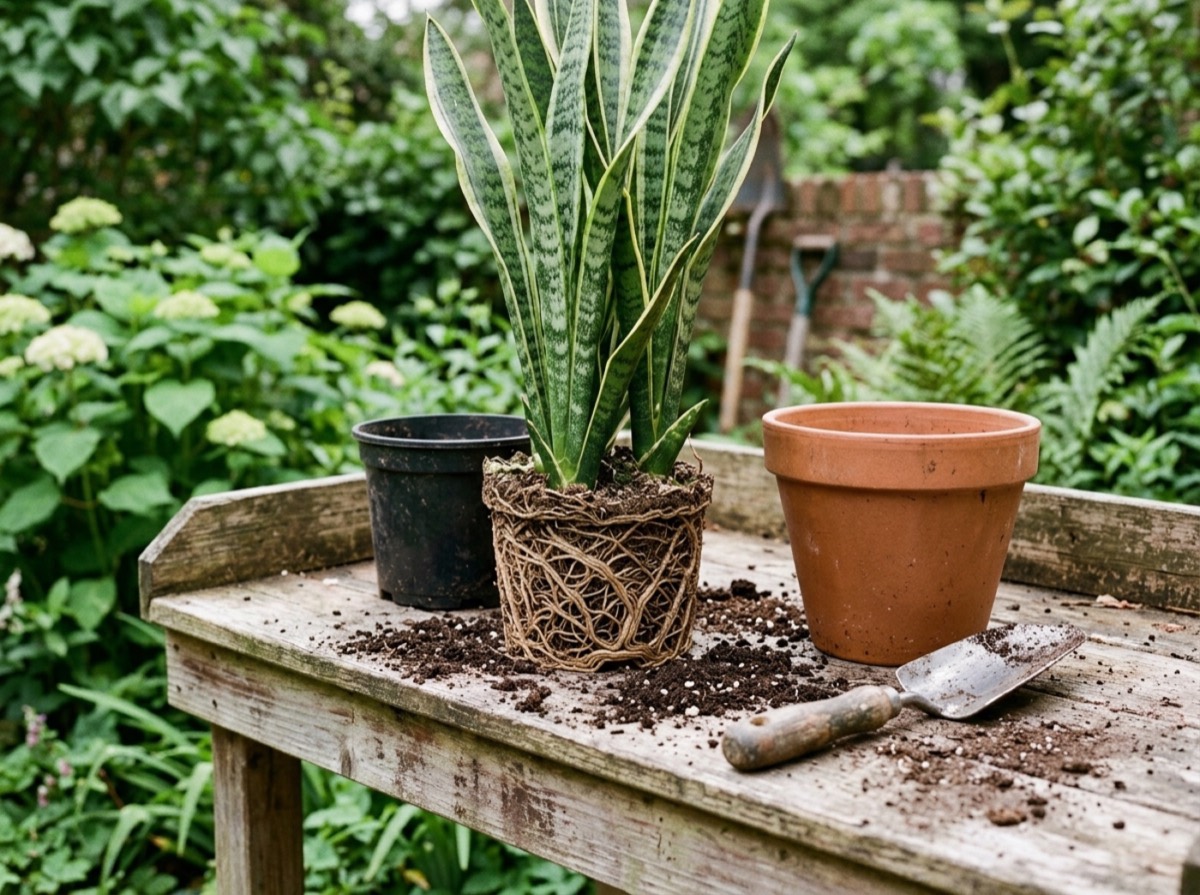 AI generated
Learning how to repot a plant is one of the simplest ways to keep houseplants healthy for years. Roots eventually fill their container, the potting mix wears out and the plant stops growing well, even with good light and watering.
This guide explains how to tell when a plant needs repotting, the best time to do it, how to choose the right pot and mix, a clear step-by-step method and the aftercare that helps the plant settle in.
Signs a plant needs repotting
Not every plant needs a new pot every year. Slow growers can stay put for several years, while vigorous plants may outgrow their container within a year. Look for these signs rather than following a fixed schedule.
- Roots growing out of the drainage holes or circling the surface.
- Water running straight through the pot, or the mix drying out much faster than before.
- The root ball lifting the plant out of the pot, or a plastic pot bulging or cracking.
- Growth slowing or stopping during the growing season despite good care.
- The plant becoming top-heavy and tipping over.
- A hard, crusted surface or potting mix that has shrunk away from the sides.
When is the best time to repot a plant?
Spring and early summer are usually the best times, because the plant is entering active growth and recovers quickly. Many houseplants rest in winter, when shorter days slow their growth, so repotting then can leave them sitting in a larger volume of wet mix that they cannot use.
There are exceptions. If a plant has root rot, pests in the soil or a broken pot, repot it whenever you find the problem. Avoid repotting a plant that is flowering, if you can, and give newly bought plants a week or two to adjust to your home first unless they are clearly struggling.
Go up only a little: a pot that is too big keeps the roots sitting in wet mix.
What size pot should you use?
Go up only a little. A new pot about 2 to 5 cm wider in diameter than the old one suits most houseplants. A much larger pot holds far more wet mix than the roots can reach, which stays soggy and can lead to root rot.
Make sure the new pot has drainage holes. If you love a decorative container without holes, use it as an outer cover pot and keep the plant in a plastic nursery pot inside, emptying any water that collects. Terracotta dries faster and suits plants that like to dry out, such as succulents; plastic and glazed ceramic hold moisture longer.
Choosing the right potting mix
Use fresh potting mix made for containers, not garden soil, which compacts in pots and can bring in pests. A general houseplant mix suits most foliage plants. Cacti and succulents prefer a gritty, free-draining mix, orchids usually grow in a coarse bark-based medium, and many aroids such as monsteras appreciate a chunkier blend with bark or perlite for air around the roots.
Many gardeners now choose peat-free mixes for environmental reasons. They can behave slightly differently when it comes to watering, so check moisture with your finger rather than watering by habit. Old mix from a previous pot is best added to garden beds or compost rather than reused for houseplants, as its structure and nutrients are depleted.
How to repot a plant step by step
Cover your work surface with newspaper or work outside, and have the new pot, fresh mix and a trowel or spoon ready.
- Water the plant a day before repotting, so the root ball is moist and holds together.
- Add a layer of fresh mix to the bottom of the new pot, enough that the top of the root ball will sit about 1 to 2 cm below the rim.
- Tip the old pot on its side, support the base of the stems with one hand and ease the plant out. Squeeze a plastic pot or run a blunt knife round the inside edge if it sticks. Never pull hard on the stems.
- Inspect the roots. Healthy roots are usually firm and pale. Trim any that are brown, mushy or smell bad with clean scissors.
- If the roots circle tightly, gently tease the outer ones loose with your fingers so they grow outwards into the new mix.
- Place the plant in the centre of the new pot at the same depth it was growing before.
- Fill around the sides with fresh mix, firming lightly with your fingers to remove large air pockets without packing it hard.
- Water thoroughly until water runs from the drainage holes, then let it drain completely.
Aftercare and transplant shock
Repotting disturbs the roots, so some drooping or a yellow leaf or two in the following days is normal. Place the plant in its usual spot, out of harsh direct sun for a week or so, and avoid moving it around.
Water again only when the top layer of mix feels dry. Fresh potting mix usually contains nutrients, so wait several weeks before feeding. If the plant still looks unhappy after a few weeks, check for overwatering first, as it is the most common problem after repotting.
Top-dressing and dividing: alternatives to repotting
Large plants in heavy pots can be hard to repot. Instead, scrape away the top few centimetres of old mix and replace it with fresh mix each spring. This top-dressing refreshes nutrients without disturbing the roots.
Plants that form clumps, such as many ferns, snake plants and peace lilies, can be divided instead. Split the root ball into sections, each with roots and shoots, and pot them separately at the same depth. You get smaller, healthier plants and extra ones to share.
Frequently asked questions
How often should I repot my houseplants?
+
Many houseplants need repotting every one to two years, while slow growers such as cacti can go several years. Repot when you see signs such as roots escaping the drainage holes rather than on a fixed schedule.
Should I water a plant after repotting?
+
Yes. Water thoroughly straight after repotting to settle the mix around the roots, then let it drain. After that, wait until the top of the mix is dry before watering again.
What size pot should I move my plant into?
+
Choose a pot about 2 to 5 cm wider than the current one, with drainage holes. Going much bigger keeps the mix wet for too long and raises the risk of root rot.
Can I repot a plant in winter?
+
It is better to wait for spring, when plants grow actively and recover faster. Repot in winter only if there is an urgent problem such as root rot, pests or a broken pot.
Why is my plant drooping after repotting?
+
Mild drooping is usually transplant shock, which passes within a week or two. Keep the plant out of harsh sun and avoid overwatering while it recovers.
Can I use garden soil for potted plants?
+
It is not recommended. Garden soil compacts in containers, drains poorly and may contain pests or weed seeds. Use a potting mix made for containers instead.
Once you know how to repot a plant, it becomes a quick spring job: watch for the signs, go up only one pot size, use fresh mix, handle the roots gently and water well. A plant with room to grow and fresh mix around its roots will reward you with stronger, healthier growth.
How we research: Guides are written from established sources and checked for accuracy. They are general information, not professional advice.
Written by
Bitezine Editorial Team
Rankings, reviews & guides
Our editors research every piece from makers’ documentation, independent tests and owner reports, and update it when products change.