Guides
How to remove mould safely from walls, ceilings and bathrooms
How to remove mould safely: what you can clean yourself, the protective gear to wear, which cleaners work, and how to stop black mould coming back.
 Bitezine Editorial TeamRankings, reviews & guides 7 min read
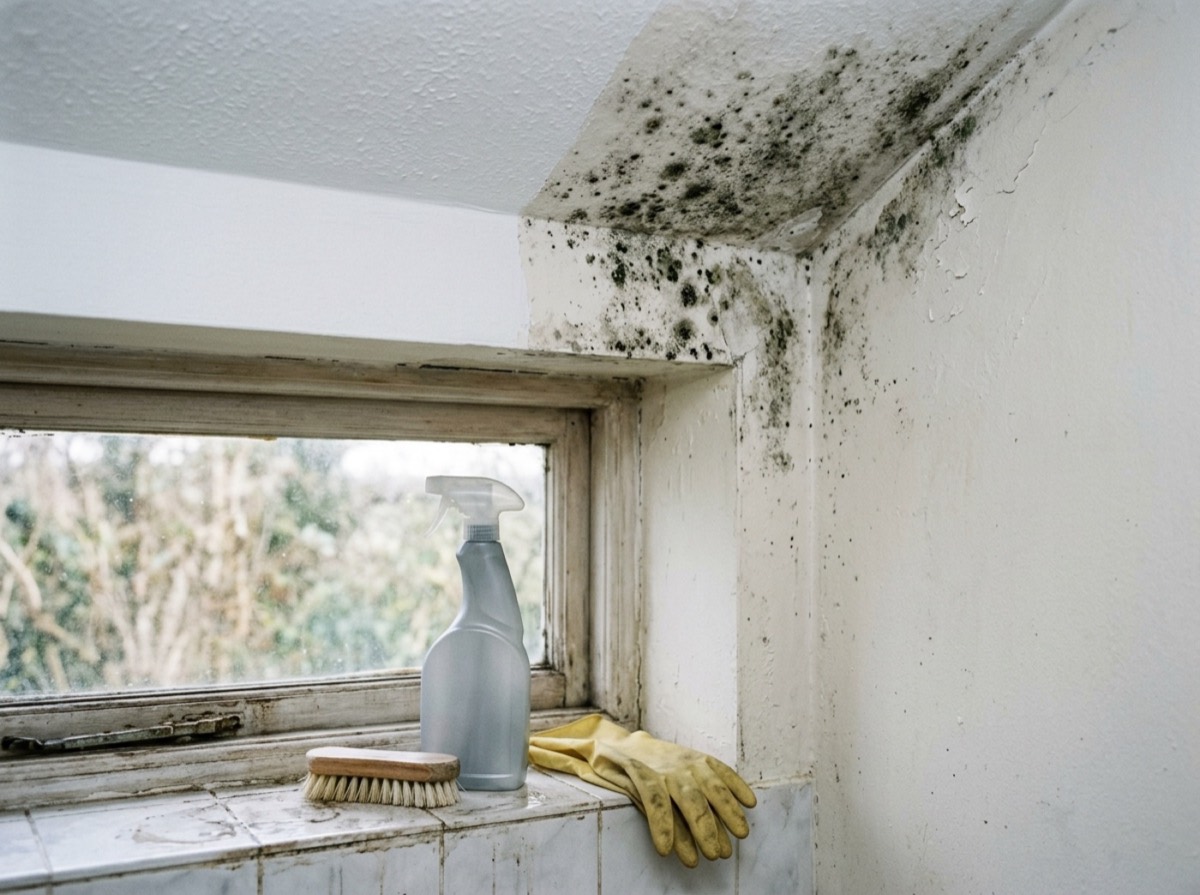 AI generated
Knowing how to remove mould safely matters more than knowing which spray to buy. Mould on walls, window frames and bathroom ceilings is common, and small patches can usually be cleaned at home in under an hour. But cleaning is only half the job: unless you find and fix the moisture that feeds it, the black spots will be back within weeks.
This guide covers when a mould problem is small enough to handle yourself, the protective gear to wear, the cleaning methods that work on different surfaces, the chemical mistakes to avoid, and the everyday habits that keep damp and mould from returning.
Is mould dangerous to your health?
Mould reproduces by releasing tiny spores into the air. Breathing them in can cause a blocked or runny nose, sore throat, coughing, wheezing, itchy eyes and skin rashes. People with asthma or mould allergies can react more strongly, and people with weakened immune systems or chronic lung disease face a higher risk of infection.
Public health bodies treat damp and mould as a real health hazard, not a cosmetic problem. Children, older people, pregnant women and anyone with a respiratory condition are the most vulnerable. If someone in your home falls into one of these groups, they should stay out of the room while mould is being cleaned, and should not do the cleaning themselves.
The colour of mould does not tell you how harmful it is. So-called black mould is simply the most visible kind. Treat any mould growth indoors as something to remove promptly.
Can I remove mould myself or do I need a professional?
Size is the main guide. The US Environmental Protection Agency suggests that an area smaller than about 10 square feet, roughly 1 square metre or a patch of about 1 metre by 1 metre, can usually be cleaned by a householder. Anything larger deserves professional advice.
Call in help, or your landlord if you rent, in these situations:
- The mould covers more than about 1 square metre or keeps spreading
- It follows a leak, a flood or sewage water
- It is growing inside wall cavities, under floors or in ventilation ducts
- There is a musty smell but you cannot find the source
- Plaster feels soft, wallpaper is bubbling or a damp tide mark rises from the floor
- Anyone in the home has asthma, a lung condition or a weakened immune system
Cleaning removes the mould you can see; controlling moisture removes the reason it grew.
What protective gear should you wear?
Cleaning disturbs spores, so protect your lungs, eyes and skin even for a small patch. Open the windows before you start, close the door to the rest of the home, and keep children and pets away.
Wear old clothes you can wash straight afterwards, and work gently: vigorous dry brushing throws far more spores into the air than wiping with a damp cloth.
- A well-fitting FFP2 or N95 respirator mask (a simple dust mask is not enough)
- Goggles without ventilation holes
- Long rubber or nitrile gloves that reach up the forearm
- Disposable cloths or sponges you can bag and throw away
How to remove mould from walls and ceilings step by step
On painted walls, tiles, glass and other hard, non-porous surfaces, plain detergent and water removes most mould. The aim is to lift the growth off the surface, then dry the area completely.
- Lightly mist the mould with water or your cleaning solution so spores stay put
- Wipe with a cloth dipped in warm water and washing-up liquid, working from the outer edge inwards
- Rinse the cloth often in a separate bucket, or switch to a fresh cloth
- Wipe the area again with clean water, then dry it thoroughly with a dry cloth
- Seal used cloths in a plastic bag and put them in the bin
- Vacuum or damp-wipe the room afterwards to catch settled spores
- Wash your clothes and shower once you finish
Does bleach kill mould? Bleach, vinegar and mould sprays compared
Chlorine bleach can remove the stain left by mould on hard surfaces such as tiles and grout, and health agencies accept a diluted solution for this. The US Centers for Disease Control and Prevention advises using no more than about 1 cup of household bleach per gallon of water, which is roughly 60 ml per litre. Bleach does not reach mould rooted inside porous materials, and the EPA does not recommend it as a routine part of mould clean-up.
Vinegar is widely used on mould and is gentler to breathe, but the evidence for it on building materials is limited, and it can damage natural stone. Ready-made mould sprays vary widely; read the label, check which surfaces they suit and follow the ventilation advice.
The most important rule is chemical safety. Never mix bleach with ammonia, vinegar, acidic cleaners or other products. Bleach and ammonia release toxic chloramine gases, and bleach and acids release chlorine gas. Use one product, rinse the surface fully, and let it dry before trying anything else.
Removing mould from silicone sealant, grout and fabrics
Mould on bathroom silicone often grows into the sealant itself, so surface cleaning only lightens the stain. If the dark spots return quickly, cut out the old silicone, clean and dry the joint for a day, and apply a fresh bead of sanitary sealant.
Grout can be scrubbed with an old toothbrush and detergent, or treated with diluted bleach on sound, well-ventilated tiles. Porous grout that stays stained may need raking out and replacing.
Soft, absorbent materials are harder. Ceiling tiles, carpet, mattresses, cardboard and plasterboard that have grown mould usually need to be thrown away, because the growth runs deep. Washable fabrics such as curtains can often be saved with a hot wash, as hot as the care label allows. Upholstered furniture with deep mould is rarely worth rescuing.
What not to do when cleaning mould
A few common shortcuts make the problem worse or put you at risk.
- Do not paint over mould; it grows through ordinary paint within weeks
- Do not dry-brush or sand mouldy surfaces, which spreads spores
- Do not mix cleaning products or use several in quick succession
- Do not use a regular vacuum on visible mould growth
- Do not ignore a musty smell; hidden mould is still mould
- Do not use a fan to dry the area while you are still cleaning, as it blows spores around
How to stop mould coming back
Mould needs moisture. Wet materials that are dried within 24 to 48 hours rarely grow mould, and indoor air kept below 60 percent relative humidity, ideally around 40 to 50 percent, gives it little chance. A cheap digital hygrometer tells you where you stand.
Most household mould comes from condensation: warm, moist air from cooking, showers and drying laundry settles on cold walls, window reveals and corners behind furniture. Leaks, blocked gutters and rising damp are less common but need a repair rather than a cleaning cloth.
- Air rooms with wide-open windows for five to ten minutes a few times a day instead of leaving them tilted
- Run the extractor fan or open a window while cooking and showering, and for a while afterwards
- Keep rooms steadily heated in cold weather; cold rooms collect condensation
- Leave a gap of a few centimetres between furniture and outside walls
- Dry laundry outdoors, in a vented dryer or in a ventilated room with the door shut
- Wipe condensation off windows each morning
- Use a dehumidifier in rooms that stay damp
- Fix leaks, dripping taps and blocked gutters promptly
Frequently asked questions
What is the best way to remove black mould from walls?
+
For small patches on painted walls, wipe the mould with warm water and washing-up liquid, rinse, and dry the area completely. Wear an FFP2 or N95 mask, goggles and gloves and keep the room ventilated. If the mould returns quickly, find and fix the moisture source.
Is it safe to use bleach on mould?
+
Diluted bleach can be used on hard, non-porous surfaces such as tiles, with good ventilation and gloves. It does not work well on porous materials. Never mix bleach with ammonia, vinegar or other cleaners, because the combination releases toxic gases.
Does vinegar kill mould?
+
White vinegar is a popular home remedy and can help on some surfaces, but the evidence for it on building materials is limited. It should not be used on natural stone, and it must never be combined with bleach.
Why does mould keep coming back after cleaning?
+
Mould returns when the moisture that feeds it is still there. Condensation from poor ventilation, cold walls, leaks or rising damp are the usual causes. Mould that has grown into silicone or porous materials also regrows from inside.
How big a mould patch can I clean myself?
+
Guidance from the US EPA puts the limit at about 10 square feet, around 1 square metre. Larger areas, mould after flooding or sewage, and hidden mould in walls or ducts should be handled by professionals.
What humidity level prevents mould?
+
Keep indoor relative humidity below 60 percent, ideally around 40 to 50 percent. A hygrometer shows the level, and regular airing, extractor fans and a dehumidifier help bring it down.
Who should not clean mould?
+
People with asthma, allergies, chronic lung disease or weakened immune systems, pregnant women and children should not clean mould and should stay away from the room while it is being cleaned.
Removing mould is straightforward when the patch is small and you protect yourself: ventilate, wear a proper mask, goggles and gloves, wipe with detergent, and dry the surface thoroughly. Treat bleach with care and never combine it with other cleaners. The lasting fix is controlling moisture through airing, steady heating and prompt repairs. If the mould is large, keeps returning or affects someone vulnerable, get professional help or tell your landlord in writing.
How we research: Guides are written from established sources and checked for accuracy. They are general information, not professional advice.
Written by
Bitezine Editorial Team
Rankings, reviews & guides
Our editors research every piece from makers’ documentation, independent tests and owner reports, and update it when products change.