Food & Drink
How to pair wine with food: simple rules that actually work
How to pair wine with food without memorising charts: match weight, use acidity and tannin, handle spice and sweetness, and try classic pairings with confidence.
 Bitezine Editorial TeamRankings, reviews & guides 5 min read
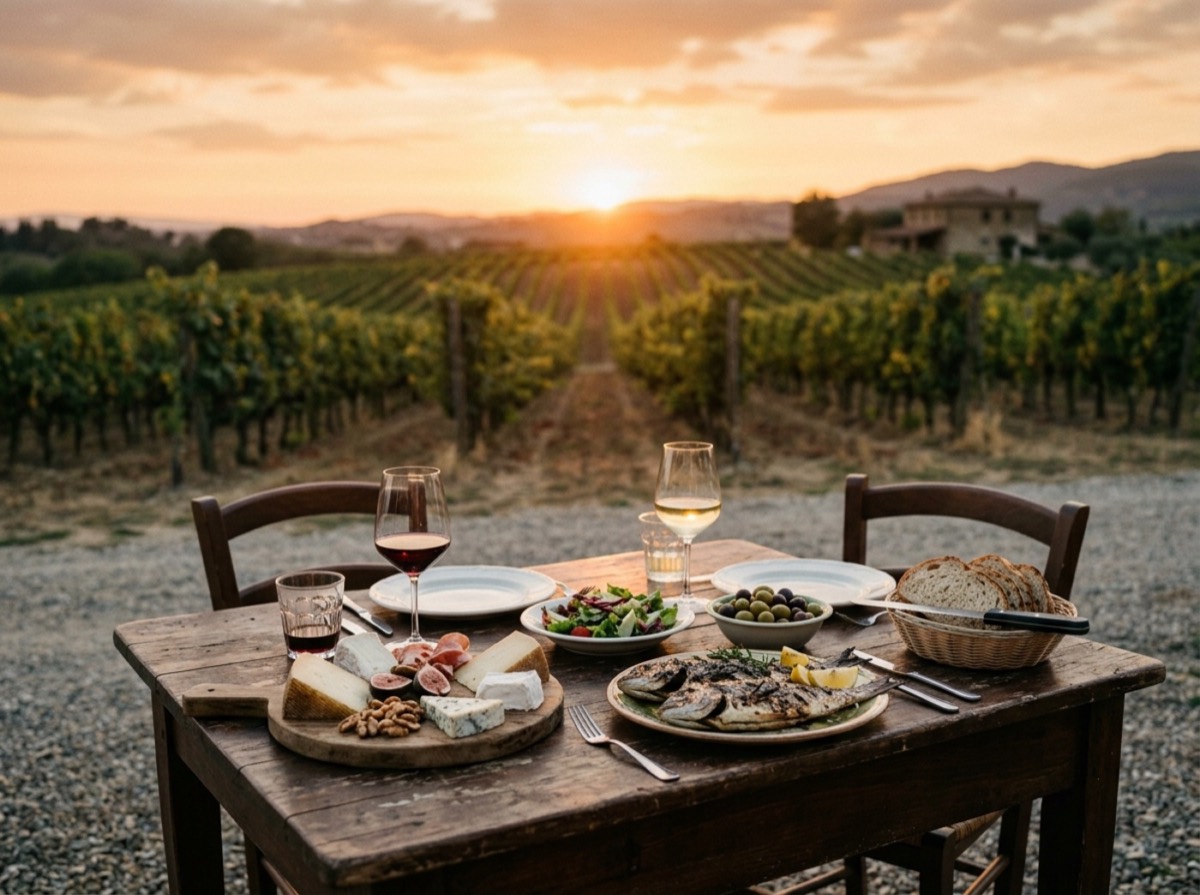 AI generated
Knowing how to pair wine with food is less about memorising charts and more about understanding a handful of principles. Once you know how weight, acidity, tannin, sweetness and alcohol interact with what is on the plate, you can choose a bottle for almost any meal.
This guide explains those principles in plain language, gives reliable pairings for everyday dishes and flags the foods that make wine tricky. Taste is personal, so treat the rules as a starting point.
Rule one: match the weight of the wine and the dish
The most useful wine pairing rule is to match intensity. Light dishes such as steamed fish, salads and fresh goat's cheese suit light, crisp wines. Rich dishes such as braised beef, roast lamb or creamy pasta need a fuller wine that will not taste thin beside them. A big, oaky red can flatten a delicate quiche, and a very light white disappears next to a stew.
Think about the sauce and cooking method as much as the main ingredient. Chicken poached in broth is light; chicken roasted with mushrooms and cream is much heavier. The sauce often decides the wine.
Complementary vs contrasting pairings
There are two broad approaches. A complementary pairing echoes flavours: an earthy Pinot Noir with mushroom risotto, or a buttery Chardonnay with lobster in butter sauce. A contrasting pairing uses opposites to create balance: a crisp, zesty Sauvignon Blanc cutting through a creamy sauce, or a sweet wine alongside salty blue cheese.
Both work. Complementary pairings feel harmonious; contrasting ones feel lively. If you are unsure, a wine with good acidity is the safest bet, because acidity refreshes the palate with almost any food.
When in doubt, choose a wine with good acidity: it refreshes the palate with almost any food.
How acidity, tannin, sweetness and alcohol affect food
Each part of a wine reacts with food in a predictable way. Learning these reactions is the quickest way to make good choices without a list.
- Acidity cuts through fat, oil and salt, and the wine should be at least as acidic as the food. Dishes with lemon or tomato need a high-acid wine.
- Tannin, the drying grip in many red wines, softens when it meets protein and fat, which is why tannic reds suit steak and hard cheese.
- Tannin clashes with oily fish and can taste metallic, so choose low-tannin reds or whites for fish.
- Sweetness in wine calms chilli heat. The wine should be at least as sweet as the dessert, or the wine will taste sour.
- Alcohol makes spicy food feel hotter, so high-alcohol wines are a poor match for fiery dishes.
What wine goes with steak, chicken and pork?
Steak and red meat pair best with structured reds such as Cabernet Sauvignon, Syrah, Malbec or Tempranillo, whose tannins meet the fat and protein. Leaner cuts and lamb also suit Pinot Noir or a Rhône blend.
Chicken is flexible. Roast chicken works with a light red such as Pinot Noir or a rich white such as Chardonnay; chicken with lemon and herbs suits a crisp white. Pork pairs well with medium reds, dry rosé or aromatic whites such as off-dry Riesling, especially when the dish has fruit or a sweet glaze.
What wine goes with fish and seafood?
Delicate white fish and shellfish suit crisp, unoaked whites: Muscadet, Albariño, Chablis-style Chardonnay, dry Riesling or Sauvignon Blanc. Oysters and a bone-dry, mineral white are a classic match.
Richer fish such as salmon, tuna or fish in butter sauce can take fuller whites or dry rosé. Red wine with fish is not forbidden: a light, low-tannin red served slightly cool works well with salmon or tuna, especially grilled.
Wine with pasta, pizza, cheese and spicy food
For pasta and pizza, look at the sauce. Tomato sauces are acidic and suit Italian reds with bright acidity such as Sangiovese or Barbera. Cream or butter sauces suit a round white. Pesto pairs nicely with herbal whites such as Vermentino or Sauvignon Blanc.
Cheese pairings are often easier with white wine than people expect. Fresh goat's cheese and Sauvignon Blanc is a well-known match, hard aged cheeses suit fuller reds, and salty blue cheese is famously good with sweet wines such as Sauternes or port. For spicy curries and Thai or Sichuan food, choose off-dry, lower-alcohol whites such as Riesling or Gewürztraminer, or a fruity, low-tannin red.
Foods that are hard to pair with wine
Some ingredients make most wines taste odd. Artichokes and asparagus can make wine taste sweet or bitter; a crisp, grassy white is the usual workaround. Very vinegary dressings overwhelm wine, so use less vinegar or swap some for lemon juice. Very sweet desserts need a wine that is sweeter still, such as a fortified dessert wine. Eggs coat the palate and do best with sparkling wine.
When a dish combines many strong flavours, a versatile wine is the safest choice: sparkling wine, dry rosé or a light, fresh red.
Regional pairings and drinking responsibly
A simple shortcut is to drink wine from the same place as the food. Regional cuisines and wines developed side by side for centuries, which is why Tuscan reds suit Tuscan food and crisp Loire whites suit local goat's cheese.
Pairing is about enjoyment, not quantity. A small glass with food is enough to taste the effect. If you are pregnant, driving or avoiding alcohol, the same principles apply to alcohol-free wine, sparkling tea, verjus-based drinks or a tart juice spritzer, all of which bring acidity and freshness to the table.
Frequently asked questions
What is the basic rule for pairing wine with food?
+
Match the weight and intensity of the wine to the dish, and make sure the wine has enough acidity for the food. Light dishes suit light wines, and rich dishes suit fuller wines.
Can you drink red wine with fish?
+
Yes, if the red is light and low in tannin, such as Pinot Noir or Gamay, ideally served slightly cool. Tannic reds can taste metallic with oily fish, so avoid heavy, grippy styles.
What wine goes best with steak?
+
Full-bodied reds with firm tannins, such as Cabernet Sauvignon, Malbec, Syrah or Tempranillo. The protein and fat in the steak soften the tannins and make the wine taste smoother.
What wine goes with spicy food?
+
Off-dry, lower-alcohol whites such as Riesling or Gewürztraminer are reliable, because a touch of sweetness calms chilli heat. High-alcohol and very tannic wines make spice feel hotter.
What wine goes with a cheese board?
+
A mixed board works well with a versatile medium red or a dry white with good acidity. For specific matches, try Sauvignon Blanc with goat's cheese, a fuller red with aged hard cheese and a sweet wine with blue cheese.
Should dessert wine be sweeter than the dessert?
+
Yes. If the dessert is sweeter than the wine, the wine will taste thin and sour. Choose a dessert wine at least as sweet as the dish.
What wine goes with pasta in tomato sauce?
+
A red with bright acidity, such as Sangiovese or Barbera, matches the acidity of tomatoes. A crisp dry rosé is a good lighter option.
The best way to learn how to pair wine with food is to taste and compare. Match weight first, lean on acidity when unsure, keep tannic reds for red meat and hard cheese, and choose off-dry whites for spice. Open two different bottles with the same dinner and you will learn more in one evening than from any chart.
How we research: Guides are written from established sources and checked for accuracy. They are general information, not professional advice.
Written by
Bitezine Editorial Team
Rankings, reviews & guides
Our editors research every piece from makers’ documentation, independent tests and owner reports, and update it when products change.