Guides
How to paint a room: a step-by-step guide for a clean finish
How to paint a room like a pro: preparation, choosing paint and tools, cutting in, rolling without streaks and cleaning up, in a clear step-by-step order.
 Bitezine Editorial TeamRankings, reviews & guides 5 min read
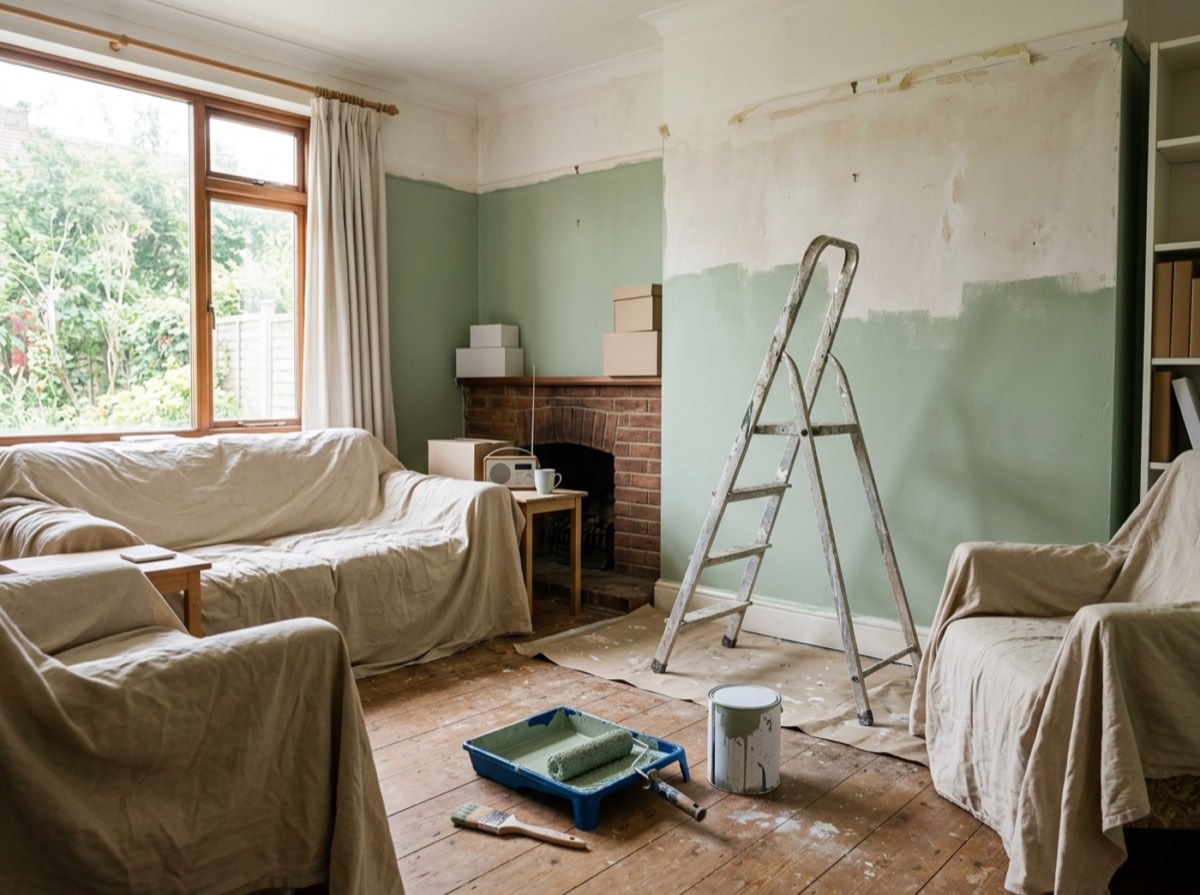 AI generated
Learning how to paint a room is one of the cheapest ways to change how a home looks and feels. The good news is that a neat result depends far more on preparation and order than on talent.
This guide covers what to buy, how to prepare the walls, the order professionals follow, how to cut in and roll without streaks, and how to finish and clean up. It works for a bedroom, living room or hallway, and most of it applies to ceilings too.
What you need to paint a room
Gather everything before you start, so you are not hunting for tape with a wet roller in your hand.
- Wall paint in your chosen colour and finish, plus ceiling paint or primer if needed.
- A good angled brush for cutting in, about 5 cm wide.
- A roller frame, roller sleeves suited to your wall texture, and a paint tray or bucket with a grid.
- An extension pole for high walls and ceilings.
- Dust sheets or drop cloths, plus painter's tape.
- Filler, a filling knife, fine sandpaper and a sponge.
- A stable step ladder, rags, and a screwdriver for switch and socket covers.
How much paint do I need for a room?
Measure the width of each wall and multiply by its height, add the walls together and subtract large areas such as doors and windows. Then check the coverage figure on the tin, which states how many square metres a litre should cover. Divide your total area by that figure and multiply by the number of coats.
Plan for two coats in most cases, and buy a little extra for touch-ups. Buying all the paint at once helps keep the colour consistent. If you need several tins, mix them together in a larger bucket so there is no visible shade difference between batches.
A neat paint job depends far more on preparation and order than on talent.
Preparing the walls before painting
Preparation is the part people rush, and it is the part that shows. Move furniture to the centre of the room and cover it. Lay dust sheets over the floor, and remove curtains, pictures, hooks and, where safe, switch and socket covers. Switch off the power at the fuse box before unscrewing electrical covers.
Fill cracks and holes with filler, let it dry, then sand it flush. Wash marks, grease and dust off the walls with a mild detergent solution and let them dry fully. Kitchens and bathrooms especially need a proper clean, because paint does not stick well to grease.
Prime where needed. New plaster, bare patches of filler, strong stains and dramatic colour changes usually benefit from a primer or a diluted first coat, following the paint maker's advice. Finally, apply painter's tape along skirting boards, window frames and door frames, pressing the edge down firmly.
What order to paint a room in
Work from the top down so drips land on surfaces you have not painted yet. The usual order is ceiling first, then walls, then woodwork such as skirting boards, door frames and window frames. Doors come last.
Paint one wall at a time: cut in along its edges, then roll it while the cut-in paint is still wet. This helps the brushed and rolled areas blend and avoids visible bands, often called picture framing.
How to cut in when painting
Cutting in means painting a narrow strip along edges and corners where a roller cannot reach neatly. Dip only the first third of the brush bristles and tap off the excess. Hold the brush like a pencil, place it a few millimetres from the edge, then press gently so the bristles fan out and guide them along the line in a smooth stroke.
Aim for a band about 5 to 8 cm wide. With practice, a steady hand gives a crisper line than tape, especially where a wall meets a ceiling. Keep a damp rag nearby to wipe mistakes immediately.
How to roll paint without streaks
Load the roller evenly by rolling it in the tray and then across the ridges until it is coated but not dripping. Start about a roller's width from a corner and apply paint in a large W or M shape about a metre square, then fill it in with parallel strokes without lifting the roller.
Finish each section with light vertical strokes from top to bottom, and always roll back into the wet edge of the previous section. Do not press hard or keep going over paint that has started to dry, as this causes streaks and texture marks. Good light from the side helps you spot missed patches.
- Keep a wet edge and work in manageable sections.
- Reload the roller before it runs dry.
- Use a short pile sleeve for smooth walls and a longer pile for textured surfaces.
- Finish a whole wall before taking a break.
Second coat, finishing and cleaning up
Check the tin for the recoat time, which varies with the product, temperature and humidity. Apply the second coat in the same way. Remove the tape while the final coat is still slightly soft, pulling it back on itself at a low angle, so it does not tear the paint film.
Wash brushes and rollers promptly. Water-based paint cleans up with water and a little soap; solvent-based paint needs the cleaner stated on the tin. Keep leftover paint sealed and labelled for touch-ups, and dispose of unwanted paint through your local waste or recycling centre rather than down a drain.
Keep the room ventilated while you work and while the paint dries. Take breaks, use the ladder on firm ground and never overreach from it.
Frequently asked questions
Do I need to prime walls before painting?
+
Not always. Primer is usually recommended for new plaster, bare filler, stains, glossy surfaces and big colour changes. Walls already painted in a similar colour and in good condition often only need cleaning.
How many coats of paint does a room need?
+
Two coats is the norm for an even, durable finish. A dramatic colour change or a very light shade over a dark one may need a third coat or a primer first.
Should I paint the ceiling or walls first?
+
Paint the ceiling first, then the walls, then the woodwork. Working from top to bottom means drips and splashes fall on areas you still have to paint.
How long should I wait between coats of paint?
+
It depends on the product and the conditions, so check the recoat time on the tin. Water-based wall paints are often ready for a second coat within a few hours in a warm, well-ventilated room.
Why is my paint streaky?
+
Streaks usually come from too little paint on the roller, rolling over paint that has begun to dry, or pressing too hard. Keep a wet edge, reload often and finish each section with light, even strokes.
How long does it take to paint a room?
+
An average bedroom often takes a full day for one person, including preparation and two coats. Preparation can take as long as the painting itself.
Once you know how to paint a room, the process is simple to repeat: prepare properly, work from top to bottom, cut in and roll one wall at a time, and keep a wet edge. With the right brush, a decent roller and a little patience, you can get a clean, even finish without hiring help.
How we research: Guides are written from established sources and checked for accuracy. They are general information, not professional advice.
Written by
Bitezine Editorial Team
Rankings, reviews & guides
Our editors research every piece from makers’ documentation, independent tests and owner reports, and update it when products change.