Culture
How to learn to dance as an adult beginner
How to learn to dance at any age: choose a style, find the right class, practise at home, build rhythm and confidence, and avoid common beginner mistakes.
 Bitezine Editorial TeamRankings, reviews & guides 5 min read
 AI generated
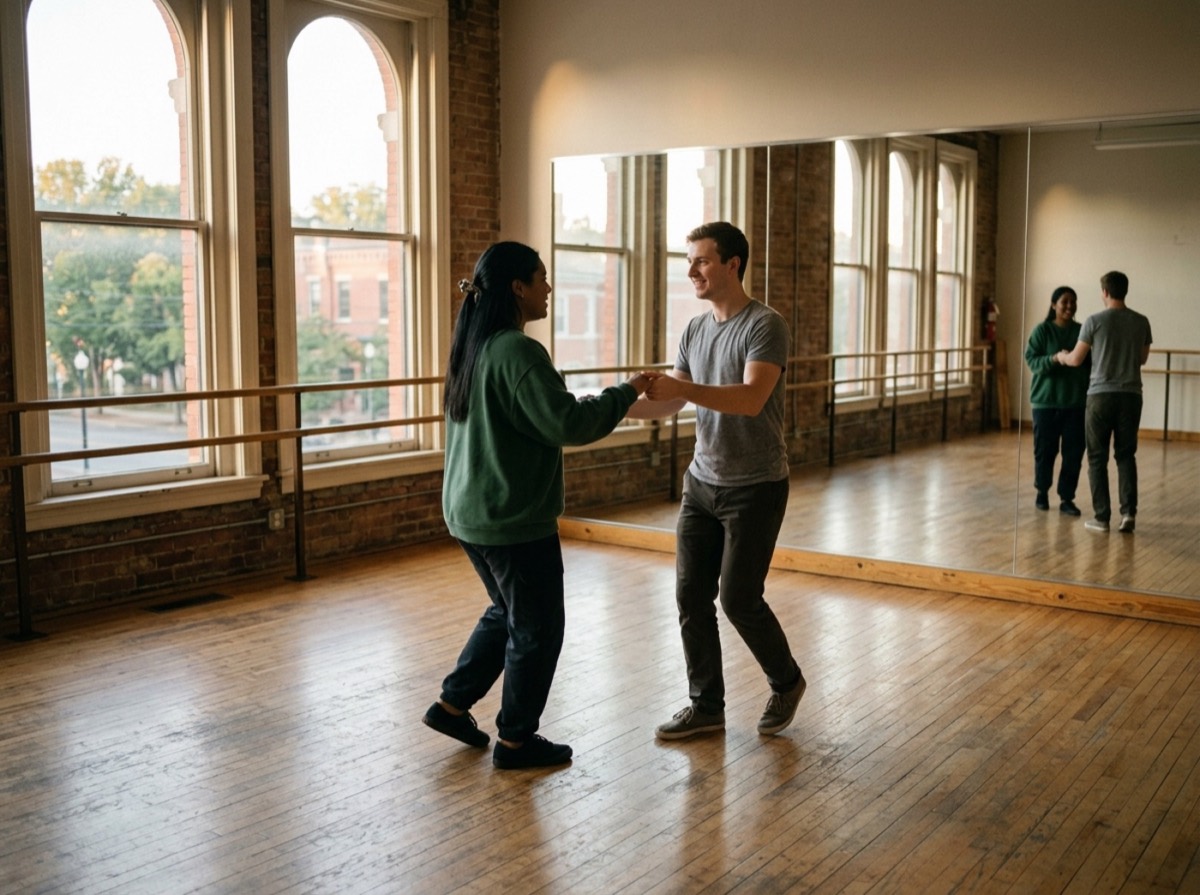
If you want to know how to learn to dance but feel stiff, shy or 'not a natural', you are exactly who beginner classes are designed for. Dancing is a skill like any other, built from simple steps, repetition and listening to music.
This guide covers choosing a style, finding the right class, practising at home, finding the beat, building confidence and knowing what progress to expect.
Why it is never too late to learn to dance
Adults often learn faster than they expect, because they can understand instructions, count music and practise deliberately. Many dance schools run classes aimed specifically at adult beginners, and plenty of students start in their forties, fifties or later.
The benefits go beyond the dance floor. Dancing is good aerobic exercise, it improves balance and coordination, and learning sequences gives the brain a workout. Partner and group classes are also a sociable way to meet people.
Which dance style is best for beginners?
The best style is the one whose music you enjoy, because you will practise more. Popular starting points include:
- Ballroom Standard: waltz, tango, Viennese waltz, slow foxtrot and quickstep, danced in closed hold.
- Latin: cha-cha, rumba, samba, paso doble and jive, with more hip movement and rhythm.
- Salsa and bachata: social partner dances with a lively scene in many cities.
- Swing dances such as lindy hop: energetic, playful and danced to jazz.
- Argentine tango: improvised, close-embrace dancing focused on connection.
- Hip-hop and street dance: solo, rhythmic and great for fitness.
- Contemporary and jazz dance: expressive solo styles often taught in studios.
- Line dancing: simple, repeated patterns danced in a group without a partner.
The best style is the one whose music you enjoy, because you will practise more.
Group classes vs private dance lessons
Group classes are the most affordable and social option. You learn basic steps with other beginners and rotate partners in many partner-dance classes, which helps you adapt to different people. In Germany, the local Tanzschule is a long-standing tradition, and many schools offer beginner courses for couples and singles.
Private lessons cost more but give you personal feedback and faster progress. They are useful for fixing specific problems or preparing for an event, such as a wedding first dance. Many dancers combine a weekly group class with an occasional private lesson.
Before booking, ask whether a free trial class is possible, how large the groups are and whether the course is designed for complete beginners.
Do you need a partner to learn partner dancing?
Often not. Many salsa, swing and tango classes rotate partners and welcome people who come alone. Ballroom courses at traditional dance schools sometimes ask you to register as a couple, though some offer singles courses or help pair people up. Check the course description or call the school.
Roles are commonly described as leader and follower. More and more schools welcome anyone to learn either role, and learning both deepens your understanding of the dance.
How to find the beat in music
Rhythm is the foundation of dancing, and it can be trained. Start by listening to music and tapping your foot or clapping on each beat. Most popular songs are in groups of four beats, while a waltz is counted in threes.
Try these exercises:
- Listen for the bass drum or bass line, which usually marks the beat most clearly.
- Count aloud, '1, 2, 3, 4', and notice where the music feels strongest.
- Walk around the room in time with a song, one step per beat.
- Use slower songs first, then increase the tempo as you improve.
- Practise the basic step of your chosen dance to different songs in the same style.
Can you learn to dance at home?
Yes, as a supplement to classes. Online video lessons are good for learning basic steps, drilling footwork and building fitness. Practise in front of a mirror or record yourself on your phone to spot problems with posture and timing.
Keep home sessions short and regular. Ten to fifteen minutes a day of basic steps will do more than one long session a week. Wear shoes similar to the ones you dance in, and clear enough floor space to move safely. For partner dances, you will still need to dance with real people to learn leading, following and connection.
Tips for building confidence as a beginner dancer
Everyone in a beginner class feels awkward at first. These habits help:
- Focus on posture: stand tall, relax your shoulders and keep your knees soft.
- Master the basic step before adding turns and styling.
- Look up, not at your feet.
- Laugh off mistakes and keep going with the music.
- Go to social dance evenings early, when the floor is quieter.
- Wear comfortable clothes and shoes with a smooth, non-grippy sole for turning.
- Stay hydrated and warm up to avoid strains.
How long does it take to learn to dance?
It depends on the style, your practice time and your goals. Many beginners can manage a simple basic step and a few figures after a short beginner course of several weekly lessons, enough to enjoy a social evening or a wedding. Feeling relaxed and musical usually takes months of regular dancing, and mastering a style takes years. The good news is that dancing is enjoyable at every stage, not only at the end.
Frequently asked questions
What is the easiest dance to learn for beginners?
+
Line dancing, basic swing, slow foxtrot, rumba and salsa basics are often considered approachable. The easiest style for you is one whose music you enjoy, because that keeps you practising.
Can I learn to dance at 40, 50 or older?
+
Yes. Many dance schools welcome adult beginners of all ages, and styles such as ballroom, tango and line dancing suit a wide range of fitness levels. Start with beginner classes and progress at your own pace.
Do I need a partner for dance classes?
+
Many salsa, swing and tango classes rotate partners, so you can come alone. Some ballroom courses prefer couples, but singles courses exist. Ask the school before signing up.
How can I learn to dance with rhythm?
+
Listen for the bass line, count the beats aloud and practise stepping in time with slow songs first. Regular practice with music in your chosen style trains your timing quickly.
Can I teach myself to dance at home?
+
You can learn steps and build rhythm with video lessons, a mirror and regular short practice. For partner dances, classes or social evenings are needed to learn connection and leading or following.
How long does it take to learn to dance for a wedding?
+
A simple first dance can often be learned in a handful of lessons, depending on the choreography. Start a few months ahead so there is time to practise and feel relaxed on the day.
Working out how to learn to dance is simpler than it looks: pick a style you love, book a beginner class, practise little and often, and keep showing up. Coordination and confidence arrive with repetition. Before long, you will stop counting in your head and start enjoying the music.
How we research: Guides are written from established sources and checked for accuracy. They are general information, not professional advice.
Written by
Bitezine Editorial Team
Rankings, reviews & guides
Our editors research every piece from makers’ documentation, independent tests and owner reports, and update it when products change.