Culture
How to host a game night: planning, games, food and a good mix of people
Host a game night people talk about: how many to invite, how to pick games for the group, easy snacks, teaching rules quickly and keeping the mood relaxed.
 Bitezine Editorial TeamRankings, reviews & guides 6 min read
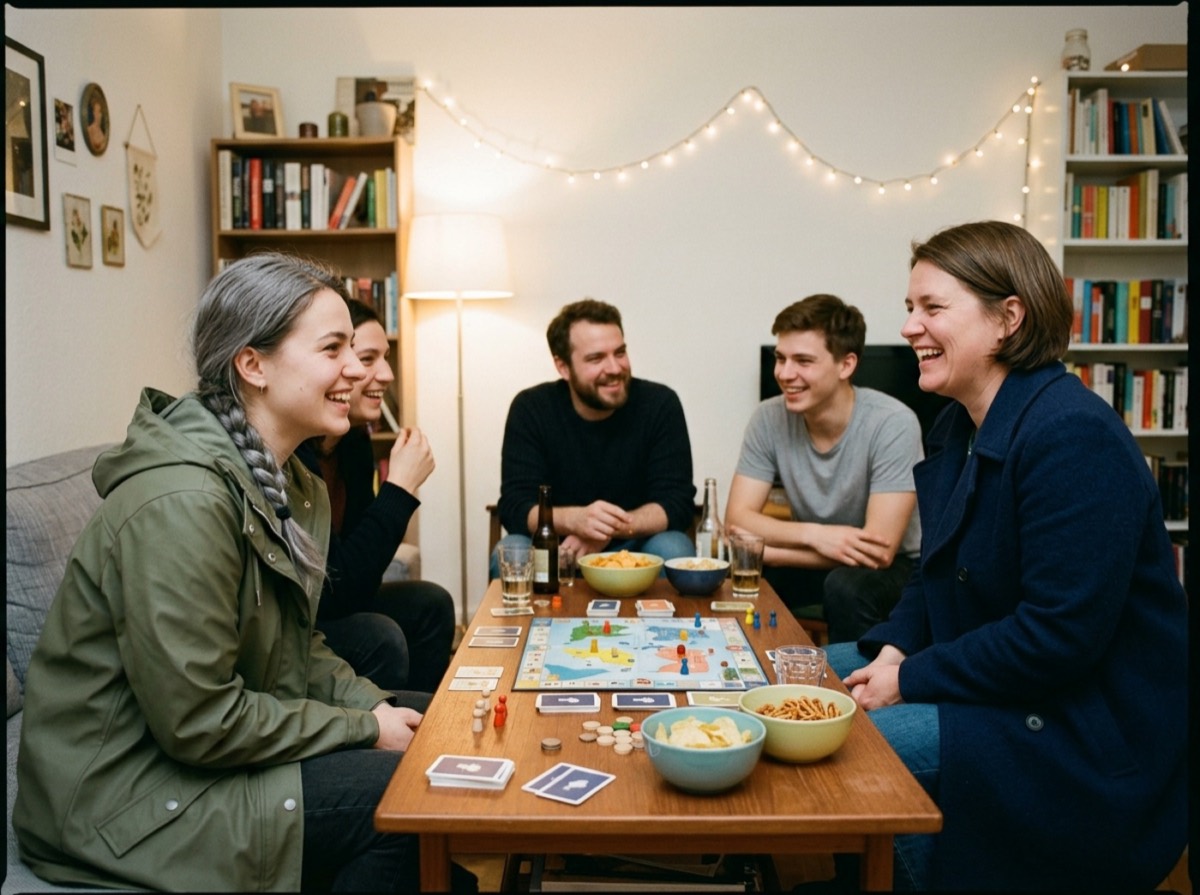 AI generated
Knowing how to host a game night comes down to three things: inviting the right number of people, picking games that suit them, and keeping the evening easy for yourself. Get those right and the games do most of the work.
Whether you are planning a board game night with friends, a family game night or a relaxed evening of card and party games, this guide walks through the planning, the game choices, food that will not wreck your cards and the small hosting habits that keep everyone laughing.
Plan the basics: date, guests and group size
Group size shapes everything else, so decide it first. Four to six people is the easiest number for a first game night: enough for lively conversation, small enough for one table and most strategy games. With eight or more, plan either party games that scale up or two tables playing at once.
Send the invitation a week or two ahead and say what kind of evening it is. "Casual games and snacks, no experience needed" sets different expectations from "we are finally playing the long strategy game". Ask about dietary needs at the same time, and mention a rough finish time so people can plan their evening.
How to choose the best games for game night
Match the games to your guests, not to your own shelf. Newcomers enjoy short games with simple rules and plenty of interaction. Experienced players may want something with more depth. When the group is mixed, start light and let people opt into a heavier game later.
Have three or four options ready rather than one fixed plan. That gives you a fallback if a game falls flat or the group size changes at the last minute.
- Warm-up games: quick card or dice games of ten to twenty minutes that people can learn while they arrive.
- Party games: word, drawing, guessing and team games that work well for six or more.
- Social deduction games: hidden roles and bluffing for groups that enjoy talking and accusing each other.
- Co-operative games: everyone plays against the game, a good choice for competitive nerves or mixed ages.
- Gateway strategy games: approachable rules with real decisions, around an hour long.
- Two-player games: handy for guests who arrive early or the last pair still awake.
Ending a game while people still want more is always better than playing until everyone is tired.
Set up the space before guests arrive
A little preparation keeps the evening flowing. Clear a table big enough for the board and player areas, with good overhead light so cards and small text are easy to read. Chairs matter more than you think in a long game.
Open the boxes you plan to play, punch out any new pieces and sort components into bags or trays. Read the rules of any game you will teach in advance and, ideally, play a practice round on your own.
- Keep a side table for drinks and snacks, away from the game.
- Have pens, paper and a spare set of dice nearby.
- Use coasters and place drinks on the non-dominant hand side.
- Put background music on low; lyrics compete with word games.
- Keep a phone charger handy for guests who stay late.
Game night snacks and drinks that work
The golden rule for game night food is: nothing greasy, sticky or crumbly near the cards. Finger foods that can be eaten with a fork or a cocktail stick protect your games and keep hands free.
Serve a proper meal before playing if the night starts around dinner time, then switch to light snacks once the games begin. Asking guests to bring a drink or a snack keeps the cost down and makes people feel part of the evening.
- Vegetable sticks with dips, served away from the table.
- Small skewers, mini sandwiches or sliced wraps.
- Popcorn in individual bowls with a spoon rather than bare hands.
- Cheese and crackers, fruit pieces and grapes.
- Water, soft drinks and a non-alcoholic option alongside anything stronger.
How to teach a board game quickly
A long rules explanation is the fastest way to lose a table. Aim for five minutes or less for a light game. Start with the goal, because every rule makes more sense once people know how to win.
Then describe what a turn looks like, cover the key actions and leave rare exceptions until they come up. Playing an open first round, where everyone can ask questions and take back moves, often teaches better than any explanation.
- Explain how to win first.
- Walk through one sample turn with real pieces.
- Mention how the game ends.
- Skip edge cases until they happen.
- Offer help during play without taking over other people's turns.
Keep the mood relaxed and inclusive
As the host, your job is to make sure everyone has fun, not to win. Watch for guests who seem lost or left out and pair them with a helpful player or suggest a team game. Keep an eye on the clock; ending a game while people still want more is better than dragging on until everyone is tired.
Agree on house rules before starting, such as whether phones are allowed at the table or how disputes get settled. If a game is not working, say so and switch. Nobody minds, and it often lifts the mood.
Make game night a regular thing
Many groups find that a recurring slot, such as the first Friday of the month, makes game night easy to keep going. Rotating the host spreads the effort and brings new games to the table. A shared list of games people own and want to try helps you plan future evenings, and taking turns choosing the main game keeps everyone invested.
Frequently asked questions
How many people do you need for a game night?
+
Four to six guests is the easiest size, since most board games support that range and everyone fits around one table. For larger groups, choose party games designed for many players or set up two tables.
What are good games for a game night with adults?
+
Party games built on words, drawing or guessing suit most adult groups, and social deduction games work well for talkative crowds. For people who enjoy strategy, gateway games of about an hour are a good middle ground.
What food should I serve at a game night?
+
Pick finger foods that are not greasy or sticky, such as vegetables with dips, skewers, small sandwiches, cheese and fruit. Keep food on a side table and serve popcorn or crisps in small bowls with spoons.
How long should a game night last?
+
Three to four hours is typical, which leaves time for arrivals, a couple of games and some chatting. Mention a rough end time in your invitation so guests can plan.
How do you explain a board game to beginners?
+
Start with how to win, then show what a single turn looks like and explain how the game ends. Leave rare rules until they come up and play a practice round if the game allows it.
What if some guests do not like competitive games?
+
Offer co-operative games, where everyone works together against the game, or team-based party games. They keep the energy up without anyone feeling singled out as the loser.
A great game night is less about owning the perfect collection and more about good hosting: the right group size, a few well-chosen games, easy food and a host who keeps things light. Plan the basics, teach rules briefly and pay attention to how people are feeling. Do that a few times and your game night may become the most reliable date in your friends' calendars.
How we research: Guides are written from established sources and checked for accuracy. They are general information, not professional advice.
Written by
Bitezine Editorial Team
Rankings, reviews & guides
Our editors research every piece from makers’ documentation, independent tests and owner reports, and update it when products change.