Guides
How to fix a squeaky door in minutes
How to fix a squeaky door hinge: find the source of the noise, choose the right lubricant, clean and oil the hinge pins, and fix squeaks that are not the hinges.
 Bitezine Editorial TeamRankings, reviews & guides 5 min read
 AI generated
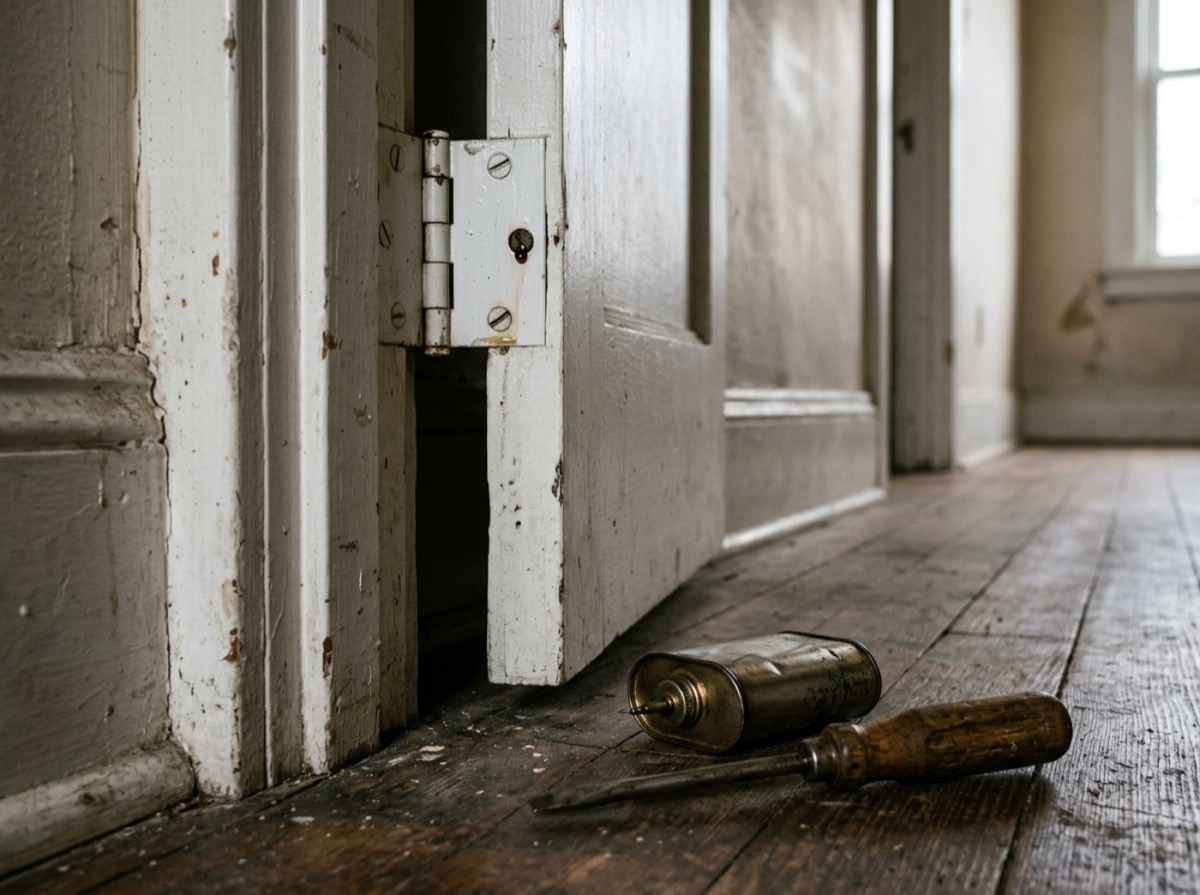
Knowing how to fix a squeaky door saves you from a noise that seems to get louder every night. In most cases the cause is a dry or dirty hinge, and the fix takes a few minutes and items you probably already own.
This guide shows how to find where the squeak comes from, which lubricants work best, how to treat hinges with and without removing the pin, and what to do when the noise comes from the latch, the frame or a sagging door.
Why do doors squeak?
Most squeaks come from friction in the hinges. Over time the thin film of lubricant on the hinge pin wears away, dust and grime build up, and small amounts of rust can form, especially in humid rooms such as bathrooms. Metal then rubs on metal and produces the familiar creak.
Less often, the noise comes from somewhere else: a latch rubbing on its strike plate, the door catching on the frame, or loose hinge screws that let the door drop and twist slightly.
Find the source of the squeak
Open and close the door slowly while listening closely at each hinge. Ask someone to swing the door while you place a hand on each hinge in turn; you can often feel the vibration of the noisy one. Doors usually have two or three hinges, and it is common for only one to be the culprit, though it is worth treating all of them.
Also check whether the door rubs on the frame anywhere, whether the gap around it is even, and whether the hinge screws are tight. These clues point to problems that lubricant alone will not solve.
Most door squeaks are metal rubbing on dry metal, and a clean, lubricated pin ends them.
Best lubricant for door hinges
Several products work, and each has trade-offs.
- Silicone spray: clean, does not attract much dust and works well on hinges. Use the straw nozzle and protect the surroundings.
- White lithium grease: thicker and long-lasting, good for heavy or frequently used doors.
- Light machine oil: effective and easy to apply in small drops, but wipe off excess so it does not drip or collect dust.
- Multi-purpose penetrating sprays: good for freeing rusty pins and cleaning, but many are not long-lasting lubricants on their own, so follow with a proper lubricant.
- Petroleum jelly: a handy household option that coats the pin well for a short-term fix.
- Avoid cooking oils. They can turn sticky or rancid and attract dirt.
How to fix a squeaky door hinge without removing the pin
Try the quick method first. Lay a cloth or newspaper on the floor under the hinge. Apply a little lubricant to the top of the hinge where the pin meets the knuckle, and into the gaps between the knuckles.
Swing the door back and forth several times to work the lubricant in. Repeat if the squeak remains, then wipe away any excess with a rag. If the noise fades but returns after a few days, the hinge probably needs cleaning, which means removing the pin.
How to remove, clean and lubricate a hinge pin
For a longer-lasting fix, work on one hinge at a time so the door stays supported. Close the door fully, or slide a wedge or a book under it, so the weight is not on the hinges.
- Place a nail or thin punch under the head of the hinge pin from below, if the hinge has an opening at the bottom, and tap it upwards with a hammer.
- If there is no opening, place a flat-head screwdriver under the pin head and tap it gently upwards.
- Pull the pin out. Clean off grime and rust with fine steel wool, fine sandpaper or a cloth.
- Clean inside the hinge knuckles with a pipe cleaner or a rolled-up cloth.
- Coat the pin lightly with your chosen lubricant and push it back in, tapping it home.
- Swing the door to spread the lubricant, wipe off any excess, then move to the next hinge.
- If a pin is badly worn or bent, replace it or the whole hinge with one of the same size.
When the squeak is not the hinge
A door that creaks as it closes may be rubbing on its frame or strike plate. Look for shiny, worn spots on the paint. First, tighten all hinge screws, since loose hinges let the door sag. If a screw just spins, its hole is stripped; a longer screw that reaches the timber behind the frame, or a hole packed with wooden matchsticks or dowel and glue, usually gives it grip again.
For a noisy latch, clean the latch bolt and apply a little lubricant to it, then operate the handle several times. If the latch rubs on the strike plate, it may need a small adjustment or a slightly larger opening, which you can file carefully. Doors that swell in damp weather may need planing along the edge, but seal any bare wood with paint or varnish afterwards to stop it absorbing moisture again.
How to keep doors quiet
Relubricate hinges once a year or whenever you hear the first faint squeak, which is much easier than dealing with a rusty pin later. Wipe dust off the hinges when you clean, keep bathrooms well ventilated to limit rust, and check hinge screws now and then, especially on heavy doors that are used many times a day.
Frequently asked questions
What is the best thing to put on a squeaky door hinge?
+
Silicone spray and white lithium grease are both good, long-lasting options. Light machine oil and petroleum jelly also work well. Avoid cooking oils, which can go sticky and attract dirt.
How do I fix a squeaky door without WD-40?
+
Use petroleum jelly, silicone spray, light machine oil or white lithium grease. For the best result, remove the hinge pin, clean it and coat it before refitting.
Do I have to take the door off to fix a squeaky hinge?
+
No. You can lubricate the hinge in place or remove just the pin, one hinge at a time, while the door stays closed or supported by a wedge.
Why does my door still squeak after oiling?
+
The pin may be dirty or rusty, so lubricant alone does not reach the problem, or the noise may come from the latch, the frame or loose hinge screws. Remove and clean the pin, and check the other causes.
How long does a hinge lubricant last?
+
It varies with the product and how often the door is used. Thicker greases and silicone generally last longer than thin oils, and many households relubricate once a year.
Can a squeaky door be a sign of a bigger problem?
+
Usually not, but squeaking combined with sticking, uneven gaps or a door that will not latch can point to loose hinges, a sagging door or swelling from damp. Tighten screws first and check the fit.
Once you know how to fix a squeaky door, it is a five-minute job: find the noisy hinge, lubricate it in place, and if the noise returns, remove the pin, clean it and coat it properly. Check the screws and the latch while you are there, and your doors should stay quiet for a long time.
How we research: Guides are written from established sources and checked for accuracy. They are general information, not professional advice.
Written by
Bitezine Editorial Team
Rankings, reviews & guides
Our editors research every piece from makers’ documentation, independent tests and owner reports, and update it when products change.