Guides
How to defrost a freezer quickly and safely
How to defrost a freezer step by step: keeping food frozen, safe ways to speed things up, cleaning the inside and restarting the appliance, plus how to prevent ice.
 Bitezine Editorial TeamRankings, reviews & guides 5 min read
 AI generated
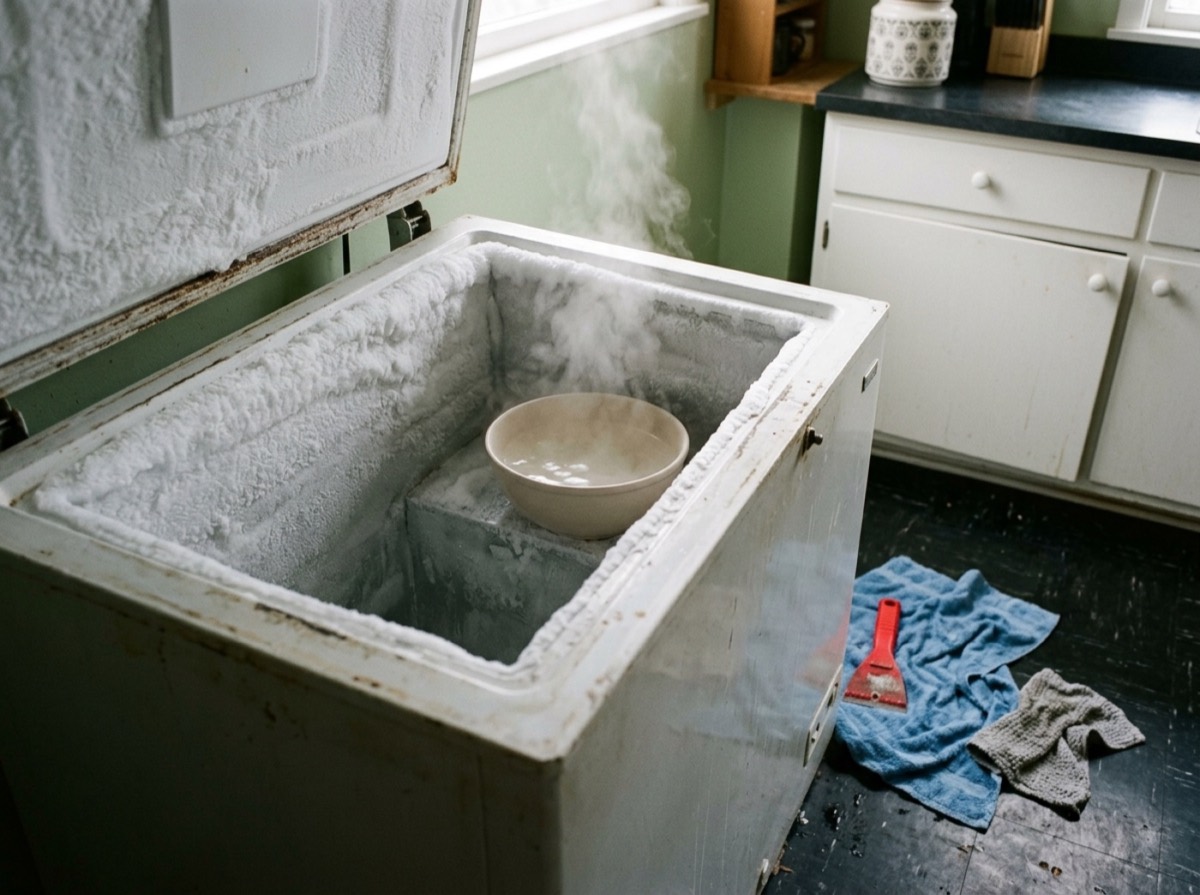
Knowing how to defrost a freezer helps it run efficiently, keeps food easier to reach and stops drawers from sticking. A thick layer of ice acts as insulation, so the appliance has to work harder to keep things cold, which uses more energy.
This guide explains when to defrost, how to keep your food frozen while you do it, safe ways to speed up melting, how to clean the inside and when to switch it back on. It applies to upright freezers, fridge freezers and chest freezers. Your appliance manual has the final word, so check it for any model-specific steps.
When should you defrost a freezer?
Many models without an automatic defrost need a manual defrost roughly once or twice a year, but ice matters more than the calendar. A common guideline is to defrost once the frost is around 5 mm thick, or sooner if drawers stick, the door does not close properly or ice covers the walls.
Frost-free freezers defrost themselves automatically and normally do not need manual defrosting. If a frost-free model builds up ice, there may be a fault with the door seal, the defrost system or the drain, and it may need a repair.
Plan the job for a day when the freezer is fairly empty, for example before a big shop. Cooler weather also helps keep food frozen while it is out.
What you need
Gather these before you switch anything off.
- Cool boxes or insulated bags, plus ice packs or frozen bottles.
- Plenty of old towels and a shallow tray or baking tray.
- Bowls or pans for hot water.
- A plastic or wooden scraper or spatula.
- Warm water with a little washing-up liquid or bicarbonate of soda, and soft cloths.
- A sponge or wet vacuum for meltwater (optional).
Let warm water and time melt the ice; a knife is the fastest way to ruin a freezer.
How to defrost a freezer step by step
Allow a few hours for the whole job. Work steadily and keep checking for water on the floor.
- Empty the freezer. Pack food tightly into cool boxes with ice packs, grouping items together so they keep each other cold. Wrap boxes in blankets or towels for extra insulation.
- Switch the freezer off at the wall and unplug it. For a fridge freezer with a single plug, the fridge will switch off too, so move chilled food into a cool box as well.
- Remove drawers, shelves and ice trays, and set them aside to reach room temperature before washing, since glass shelves can crack if hot water hits them while cold.
- Lay towels on the floor in front of the freezer and inside the base. Some freezers have a drain plug or channel; check the manual and place a tray under it.
- Leave the door open and let the ice melt. Change or wring out towels as they get wet.
How to defrost a freezer quickly and safely
Natural melting can take several hours. These methods speed it up without harming the appliance.
- Place bowls of hot, not boiling, water on the shelves or the freezer floor and close the door. Replace the water as it cools.
- Once the ice begins to loosen, ease off large chunks with a plastic or wooden scraper.
- Point a fan into the open freezer to circulate warm room air.
- A hairdryer on a low setting is sometimes suggested, but use it only if your manual allows it. Water and electricity are a dangerous combination, so keep the hairdryer and its cable well away from meltwater, never put it inside the freezer, and never leave it unattended.
What not to do when defrosting
Some shortcuts can damage the freezer beyond repair or put you at risk.
- Never chip at ice with a knife, screwdriver or other sharp metal tool. It is easy to pierce the lining or the refrigerant pipes behind it, which can leave the appliance unusable.
- Do not use a heat gun, open flame or other intense heat source, which can warp plastic parts.
- Do not pour boiling water directly onto plastic surfaces.
- Do not leave the appliance plugged in while you work inside it with water.
How to clean the freezer after defrosting
Once all the ice has melted, wipe up the water and clean the inside with warm soapy water or a solution of bicarbonate of soda and water, which also helps neutralise odours. Avoid abrasive cleaners and strong chemicals, which can scratch surfaces and leave smells that transfer to food.
Wash the drawers and shelves in the same way, then dry everything thoroughly, including the door seal. Wipe the seal carefully and check it for cracks or gaps, because a damaged seal lets warm, moist air in and is a common cause of fast ice build-up.
Turning the freezer back on and restocking
Make sure the inside is dry, refit the shelves and drawers, then plug the freezer in and switch it on. Check your manual for how long to wait before adding food and whether to use a fast-freeze setting. Many freezers need a few hours to get cold again. Return the food as soon as the manual allows, and discard anything that has fully thawed and warmed up if you are unsure whether it is still safe.
To slow future ice build-up, keep the door closed as much as possible, let hot food cool before freezing it, wrap food well, and keep the freezer reasonably full but not so packed that air cannot circulate.
Frequently asked questions
How long does it take to defrost a freezer?
+
It usually takes a few hours, depending on how much ice has built up and the room temperature. Bowls of hot water and a fan can shorten the time considerably.
How often should I defrost my freezer?
+
Freezers without automatic defrost typically need it about once or twice a year. A good rule is to defrost when the ice reaches around 5 mm thick or drawers start to stick.
Where do I keep frozen food while defrosting?
+
Pack it closely in cool boxes or insulated bags with ice packs and cover them with towels or blankets. A cold place such as a garage in winter helps. Some people ask a neighbour for temporary space.
Can I use a hairdryer to defrost a freezer?
+
Only if your manual permits it, and with great care. Use a low setting, keep the hairdryer and cable away from water and never place it inside the freezer. Bowls of hot water are a safer option.
How long should I wait before turning the freezer back on?
+
Once the inside is clean and dry, you can switch it on. Then follow your manual on how long to wait before loading food, as most freezers need a few hours to reach temperature.
Do frost-free freezers need defrosting?
+
No, frost-free models defrost automatically. If one builds up ice, check the door seal and have the appliance inspected, as it may have a fault.
Now you know how to defrost a freezer: plan ahead, keep food cold in cool boxes, unplug the appliance, let hot water and time do the work, and never attack the ice with sharp tools. Clean and dry it before switching back on, check the door seal, and your freezer will run more efficiently until the next defrost.
How we research: Guides are written from established sources and checked for accuracy. They are general information, not professional advice.
Written by
Bitezine Editorial Team
Rankings, reviews & guides
Our editors research every piece from makers’ documentation, independent tests and owner reports, and update it when products change.