Food & Drink
How to cook perfect rice on the stove, every time
How to cook perfect rice: the right water ratio for each type, when to rinse, the absorption and pasta methods, fixing mistakes and storing leftovers safely.
 Bitezine Editorial TeamRankings, reviews & guides 6 min read
 AI generated
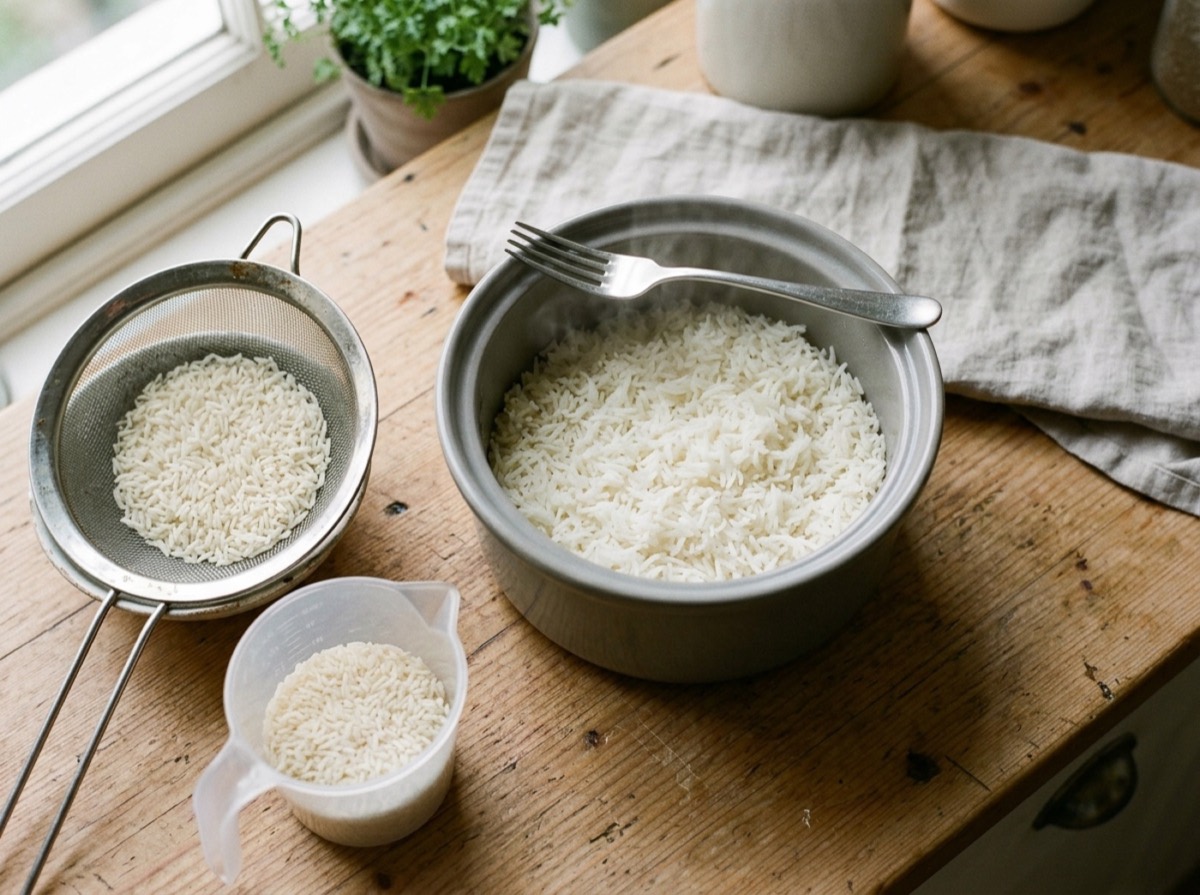
Learning how to cook perfect rice is mostly about three things: the right amount of water for the grain you are using, steady low heat and a few minutes of patience at the end. Get those right and you will have separate, tender grains instead of a sticky crust or a watery pot.
This guide explains the main types of rice, the water ratios that work for each, two reliable stovetop methods, how to rescue rice that went wrong and how to cool and reheat leftovers without risking food poisoning.
Which type of rice are you cooking?
Rice behaves differently depending on its grain length and how much starch it has. Long-grain rice such as basmati and most standard white rice cooks up light and separate. Jasmine rice is also long-grain but slightly softer and more fragrant. Short and medium-grain rice, used for sushi, risotto and paella, holds more starch and turns creamy or sticky by design.
Brown rice still has its bran layer, which makes it chewier and slower to cook. Wild rice is technically the seed of a grass rather than true rice, and it needs even longer. Before you start, check which kind you have, because using the same method for all of them is the most common reason rice disappoints.
What is the right rice to water ratio?
Ratios are a starting point, not a law. Your pan, lid and hob all change how much water evaporates, so note what works in your kitchen and adjust next time. Measure by volume with the same cup for rice and water.
A wide pan loses more water than a tall, narrow one, and a loose lid lets steam escape. If you double the quantity, you usually need slightly less than double the water, because the evaporation stays roughly the same.
- White long-grain rice: about 1 cup rice to 1½ cups water
- Basmati rice (rinsed): about 1 cup rice to 1½ cups water
- Jasmine rice (rinsed): about 1 cup rice to 1¼ cups water
- Short-grain or sushi rice: about 1 cup rice to 1¼ cups water
- Brown rice: about 1 cup rice to 2 cups water, or use the pasta method
- Wild rice: best cooked in plenty of water and drained
Perfect rice is less about a secret trick and more about consistency.
Should you rinse rice before cooking?
Rinsing washes away loose surface starch, which is what makes grains clump together. For basmati, jasmine and sushi rice, rinse in a sieve or bowl of cold water, swishing with your hand, until the water runs mostly clear. Three or four changes of water is usually enough.
Do not rinse risotto rice or paella rice, because you want that starch to thicken the dish. Some packets of enriched white rice also advise against rinsing, since it washes off added nutrients. Soaking basmati for 20 to 30 minutes after rinsing helps the long grains cook evenly and stay straight.
How to cook rice on the stove: the absorption method
The absorption method uses just enough water for the rice to soak up completely. It gives the best flavour and texture for white, basmati and jasmine rice.
- Rinse the rice and drain it well.
- Put the rice, measured cold water and a pinch of salt in a heavy pan with a tight lid.
- Bring to the boil over high heat, stir once to free any grains stuck to the bottom, then turn the heat to its lowest setting.
- Cover and cook without lifting the lid: about 12 to 15 minutes for white rice, 35 to 45 minutes for brown rice.
- Take the pan off the heat and leave it covered for 10 minutes so the steam finishes the job.
- Fluff the grains gently with a fork before serving.
The pasta method for brown and wild rice
For brown, red, black and wild rice, the pasta method is more forgiving. Bring a large pan of salted water to the boil, add the rice and cook it uncovered until tender, tasting from about 25 minutes. Drain it in a sieve, return it to the pan, cover and let it sit for 10 minutes.
This method also has a health angle. Rice can take up arsenic from soil and water, and cooking it in plenty of water that you then pour away is known to lower the level of inorganic arsenic in the finished grain. The trade-off is that some water-soluble nutrients go down the drain too, so it is a reasonable choice if rice is a daily staple in your home.
Why is my rice mushy, sticky or crunchy?
Most rice problems have a simple cause and a simple fix. Keep a note of what happened so your next pot is better.
- Mushy rice: too much water or too much stirring. Spread it on a tray to steam off, or turn it into fried rice or rice pudding.
- Sticky rice when you wanted it fluffy: the rice was not rinsed or it was stirred during cooking.
- Crunchy rice: not enough water or the lid let steam escape. Add two or three tablespoons of hot water, cover tightly and cook on low for five more minutes.
- Burnt bottom: the heat was too high. Do not scrape the scorched layer; spoon the good rice off the top.
- Bland rice: add salt to the water, or cook it in stock with a bay leaf or a few cardamom pods.
How to store and reheat cooked rice safely
Rice needs more care than most leftovers. Uncooked rice can carry spores of the bacterium Bacillus cereus, which survive boiling. If cooked rice sits at room temperature, the spores can grow and produce toxins that cause vomiting. Some of these toxins are not destroyed by reheating, so good handling matters more than a hot microwave.
The UK Food Standards Agency advises chilling leftover rice as quickly as possible, ideally within one hour, reheating it only once and making sure it is steaming hot all the way through. Spread the rice on a shallow tray or split it into small containers so it cools fast, then refrigerate it at 5°C or below and eat it soon rather than leaving it for days. Freezing in flat portions is a good option if you will not eat it quickly.
Frequently asked questions
How much water do I need for 1 cup of rice?
+
For most white long-grain and basmati rice, use about 1½ cups of water for 1 cup of rice. Jasmine and short-grain rice need a little less, around 1¼ cups. Brown rice needs about 2 cups, or you can boil it in plenty of water and drain it.
How long does it take to cook rice on the stove?
+
White rice takes about 12 to 15 minutes at a low simmer, plus 10 minutes resting off the heat. Brown rice takes roughly 35 to 45 minutes. Always rest the rice covered before fluffing it.
Do you have to rinse rice?
+
It is not required, but rinsing gives fluffier, more separate grains for basmati, jasmine and sushi rice. Skip rinsing for risotto and paella, where the surface starch makes the dish creamy.
Why should you not lift the lid when cooking rice?
+
Lifting the lid lets steam escape, which lowers the temperature and changes the amount of liquid in the pan. The result is often rice that is wet on top and underdone in the middle. Leave the lid on until the rice has rested.
Is it safe to reheat rice?
+
Yes, if it was cooled quickly and kept in the fridge. Chill leftover rice within about an hour of cooking, reheat it only once and make sure it is steaming hot throughout. Rice left out at room temperature for a long time should be thrown away.
Can you cook rice without a rice cooker?
+
Yes. A heavy pan with a tight-fitting lid works very well using the absorption method. A rice cooker simply automates the heat control and keeps the rice warm afterwards.
Perfect rice is less about a secret trick and more about consistency: the same cup, the same pan and a ratio you have tested. Start with the guide above, rest the pot before you open it, cool any leftovers quickly, and within a few tries you will be cooking fluffy basmati and tender brown rice without thinking about it.
How we research: Guides are written from established sources and checked for accuracy. They are general information, not professional advice.
Written by
Bitezine Editorial Team
Rankings, reviews & guides
Our editors research every piece from makers’ documentation, independent tests and owner reports, and update it when products change.