Guides
How to clean grout and keep it looking new
How to clean grout on floors and in showers: gentle methods first, stronger fixes for mould and stains, safety rules for cleaners, and how to keep grout clean.
 Bitezine Editorial TeamRankings, reviews & guides 5 min read
 AI generated
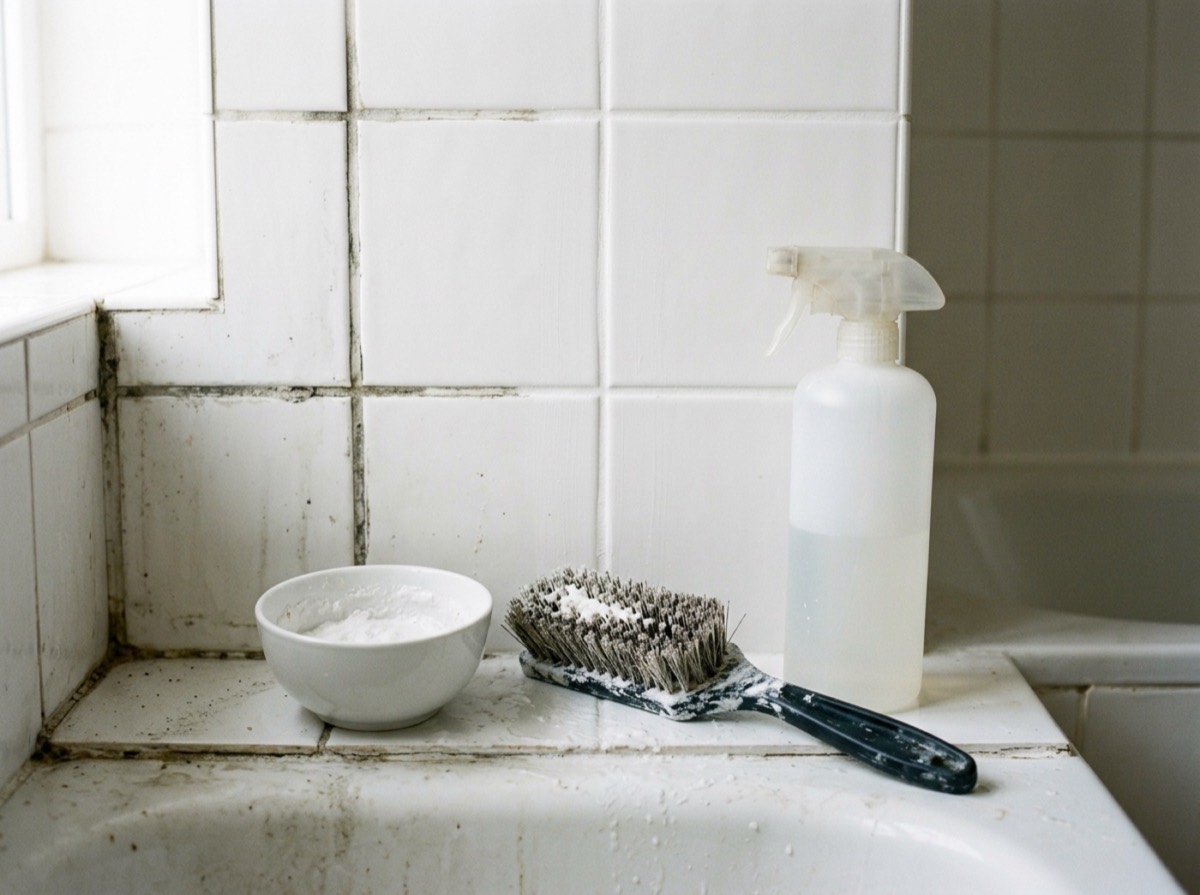
Learning how to clean grout makes a bigger difference to a bathroom or kitchen than almost any other cleaning job. Grout is porous, so it soaks up dirt, soap scum, grease and moisture, and light-coloured lines turn grey or black surprisingly quickly.
This guide starts with the gentlest methods and works up to stronger ones, explains how to deal with mould safely, and shows how sealing and a few habits keep grout clean for longer. Always test a new cleaner on a small hidden area first, especially on natural stone.
Why grout gets dirty so fast
Most tile grout is cement-based, which leaves tiny pores on the surface. Those pores hold on to dirt from shoes, cooking splashes, soap residue and body oils. In showers, constant moisture lets mould and mildew grow in the joints.
Floor grout also sits slightly lower than the tiles, so mop water carries dirt into the joints and leaves it there as it dries. That is why regular mopping alone rarely keeps grout looking clean.
What you need to clean grout
A few basic items cover most jobs.
- A stiff nylon grout brush or an old toothbrush. Avoid wire brushes, which can scratch tiles and wear grout away.
- Bicarbonate of soda (baking soda) and warm water.
- Mild washing-up liquid.
- Oxygen bleach powder (sodium percarbonate) for tougher stains.
- A spray bottle, a bucket, microfibre cloths and a sponge.
- Rubber gloves, and eye protection when using stronger products.
Start gentle, step up only when needed, and never mix cleaning products.
The best way to clean grout: start gentle
For light dirt, warm water and a stiff brush often do more than you expect. Spray or wipe the grout lines, scrub along each joint, then wipe clean.
If that is not enough, make a paste of bicarbonate of soda with a little water, spread it along the grout lines and leave it for several minutes. Scrub with the brush, working along the line, then rinse with clean water and wipe dry. A drop of washing-up liquid in the water helps with greasy kitchen grout.
How to clean heavily stained grout
Oxygen bleach is a good next step. It is generally gentler on coloured grout than chlorine bleach. Dissolve it in warm water according to the package directions, apply it to the grout, leave it to work for the recommended time, then scrub and rinse thoroughly.
A steam cleaner with a narrow nozzle is another option that uses only water. The heat loosens dirt from the pores, and you can follow with a brush and a cloth. Check the tile and grout manufacturer's guidance first, and avoid steam on grout that is already cracked or crumbling.
Commercial grout cleaners also work well. Choose one that suits your tile type and follow the label exactly.
How to get mould out of grout in the shower
Surface mould often comes off with scrubbing plus oxygen bleach or a mould remover made for bathrooms. Apply the product, leave it for the time stated, scrub and rinse. Ventilate the room well by opening a window or running the extractor fan.
If you use a chlorine bleach-based product, use it carefully. It can lighten coloured grout, and it must never be mixed with vinegar, ammonia or other cleaners, because the combination can release toxic gases. Rinse surfaces well between different products.
Mould that has grown deep into the grout may leave permanent dark marks. In that case, the long-term fix is to rake out the affected grout and regrout the joints, or use a grout colourant or grout pen to refresh the look once the area is clean and dry.
What to avoid when cleaning grout
Some popular tips can damage grout or tiles.
- Acidic cleaners such as vinegar and lemon juice can wear away cement-based grout with repeated use, and they can etch natural stone such as marble and limestone. Use them rarely, if at all, and never on stone.
- Wire brushes and harsh scouring pads can scratch tiles and erode grout.
- Never mix cleaning products, especially bleach with acids or ammonia.
- Do not leave strong cleaners on for longer than the label says.
- Avoid soaking grout that is cracked or missing, as water can get behind the tiles.
Cleaning grout on floors
Floor grout collects the most dirt, so work in small sections. Sweep or vacuum first to remove grit, then apply your chosen cleaner along the joints, scrub, and wipe the loosened dirt away with a damp cloth before it dries back into the grout.
Rinse with clean water and dry the floor with a towel or microfibre mop. Changing the rinse water often stops you from spreading dirty water back into the lines you have just cleaned.
How to seal grout and keep it clean
Once grout is clean and completely dry, which often means waiting at least a day, apply a penetrating grout sealer along the joints with a small brush or applicator. Wipe any excess off the tiles before it dries. Sealer reduces how much dirt and water the grout absorbs, which makes future cleaning easier. Check the product label for how often to reapply; a simple test is to drip water on the grout, and if it darkens quickly, it is time to reseal.
Everyday habits help too. Squeegee or wipe shower walls after use, ventilate the bathroom, mop floors with clean water and change it often, and give grout lines a quick scrub every week or two before dirt builds up.
Frequently asked questions
What is the best homemade grout cleaner?
+
A paste of bicarbonate of soda and water works well for most dirt. Leave it on for a few minutes, scrub with a stiff brush and rinse. For tougher stains, oxygen bleach dissolved in warm water is a good next step.
Does vinegar damage grout?
+
Repeated use of vinegar can gradually wear down cement-based grout and weaken unsealed joints. It can also etch natural stone tiles, so it is best avoided on grout for regular cleaning.
How do I get black mould out of shower grout?
+
Use a bathroom mould remover or oxygen bleach, leave it for the recommended time, scrub and rinse, with the room well ventilated. If dark marks remain deep inside, regrouting is the lasting fix.
Can I use bleach on grout?
+
Chlorine bleach can remove mould but may discolour coloured grout. Use it diluted as directed, ventilate the room and never mix it with vinegar, ammonia or other cleaners.
How often should grout be sealed?
+
It depends on the sealer and how much wear the area gets, so follow the product label. If water drops darken the grout quickly instead of beading, it is time to reseal.
How can I make grout white again?
+
Deep clean it first with bicarbonate of soda or oxygen bleach. If it is still discoloured, a grout colourant or grout pen can restore an even colour once the joints are clean and dry.
Knowing how to clean grout comes down to starting gently, stepping up only when needed, never mixing products and sealing the joints once they are clean. A quick scrub every week or two and good ventilation will keep grout lines bright and save you from long sessions on your knees.
How we research: Guides are written from established sources and checked for accuracy. They are general information, not professional advice.
Written by
Bitezine Editorial Team
Rankings, reviews & guides
Our editors research every piece from makers’ documentation, independent tests and owner reports, and update it when products change.