Guides
How to clean a washing machine: drum, drawer, seal and filter
How to clean a washing machine properly: a hot maintenance wash, the detergent drawer, rubber door seal and drain filter, plus habits that stop smells coming back.
 Bitezine Editorial TeamRankings, reviews & guides 5 min read
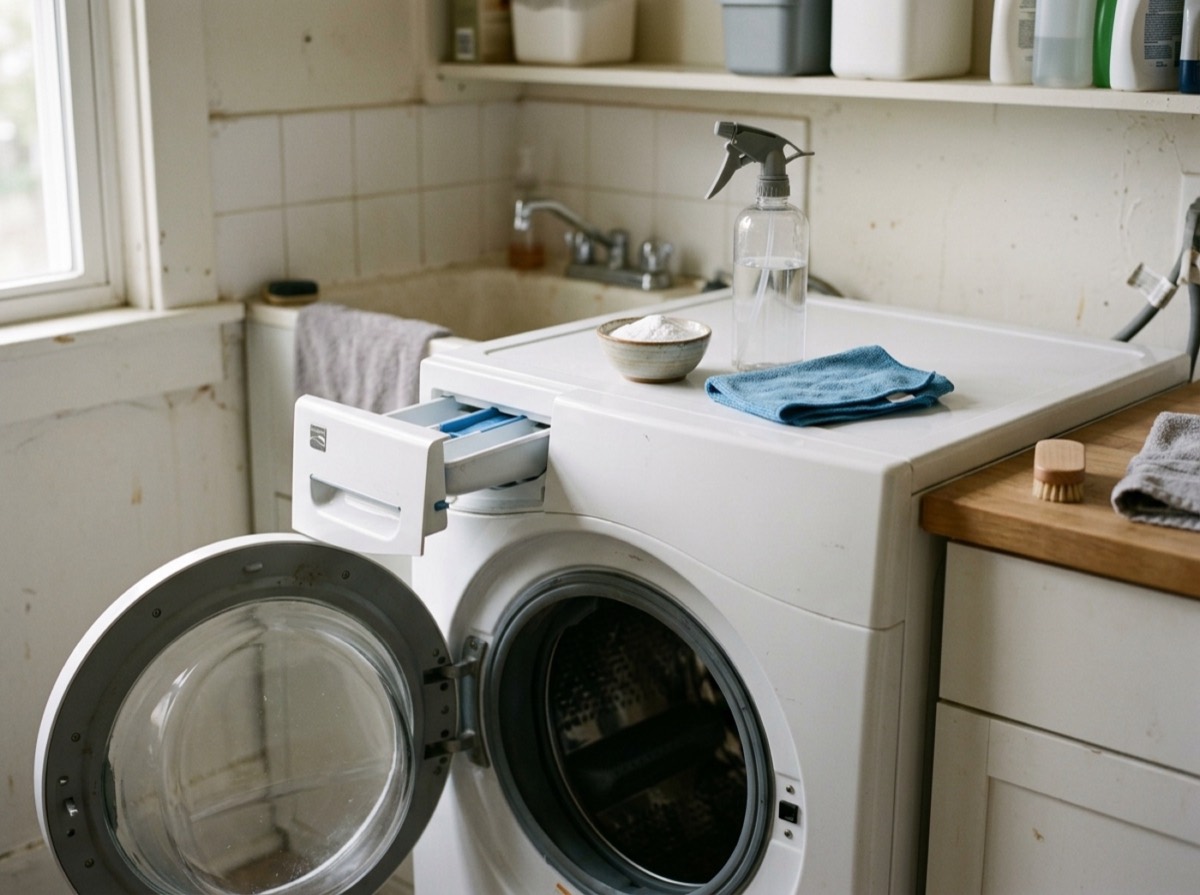 AI generated
Learning how to clean a washing machine is worth ten minutes of your time, because a machine that washes clothes does not clean itself. Detergent residue, fabric softener, lint and damp create a film where bacteria and mould grow, which leads to musty smells and grey marks on laundry.
This guide covers the full routine for front-loading machines, with notes for top loaders: the maintenance wash, the detergent drawer, the rubber door seal, the drain pump filter and the habits that keep a machine fresh between cleans. Your appliance manual always takes priority, so check it for model-specific advice.
Why washing machines start to smell
Many households wash mostly at low temperatures to save energy. That is sensible, but cool washes do not break down greasy residue as well, and leftover detergent and softener build up in the drum, the outer tub and the hoses. Add a door that stays closed and a damp seal, and you have ideal conditions for mould and bacteria.
Typical signs are a sour or musty smell, black spots on the door seal, slimy residue in the drawer, and laundry that smells stale even after washing.
What you need
You do not need special equipment. Most of these items are already in the house.
- Washing machine cleaner, or your usual powder detergent, or soda crystals (washing soda), depending on your manual's advice.
- Warm water with a little washing-up liquid.
- An old toothbrush and a soft cloth or microfibre cloth.
- A shallow tray or baking dish and old towels for the filter.
- Rubber gloves.
A machine that washes clothes does not clean itself.
How to clean the washing machine drum with a maintenance wash
A maintenance wash is an empty cycle at a high temperature, often 60 to 90 °C depending on your machine. Many machines have a dedicated drum-clean or tub-clean programme; if yours does, use it.
Add a washing machine cleaner as directed on the pack, or a dose of powder detergent, which contains bleaching agents that help remove buildup. Soda crystals are another common option for grease and limescale. Run the cycle with the drum empty.
Many people reach for vinegar, but some manufacturers advise against using it regularly because acids can affect rubber seals and hoses over time. Check your manual before using it. Never mix bleach with vinegar or other cleaning products, as this can release harmful gases.
As a rule of thumb, run a maintenance wash about once a month, or more often if you mainly wash at low temperatures.
How to clean the detergent drawer
The drawer often hides the worst slime. Most drawers pull out fully once you press a release tab, usually found in the softener compartment. Check your manual if it does not come out easily.
Soak the drawer in warm soapy water, then scrub all the compartments and the siphon cap with an old toothbrush. Do not forget the cavity the drawer slides into: shine a torch inside, and scrub the roof of the housing, where mould often grows. Dry everything and slide the drawer back in.
How to clean the washing machine rubber seal
Gently pull back the folds of the rubber door seal (the gasket) and look inside. You may find hair, fluff, coins and dark mould spots.
Remove debris by hand, then wipe the folds with a cloth dipped in warm soapy water, using a toothbrush for stubborn spots. For mould, use a suitable cleaner and follow the label, wearing gloves and ventilating the room. Rinse with a clean damp cloth and dry the seal thoroughly. Deep-set black mould can stain the rubber permanently; if the seal is cracked or heavily stained, a replacement may be the better fix.
How to clean the washing machine filter
Most front loaders have a drain pump filter behind a small hatch at the bottom front of the machine. It catches coins, hairgrips and fluff. A blocked filter can cause poor draining, error codes and smells.
Wait until the machine has cooled, as water from a recent hot wash can scald. Unplug the machine, lay down towels and put a shallow tray under the hatch. Some machines have a small drain hose to empty first. Unscrew the filter slowly, since a fair amount of water can come out. Clear the debris, rinse the filter under the tap, check the opening for anything stuck, then screw the filter back in firmly so it does not leak.
Cleaning the filter every few months is a sensible routine. Check it straight away if the machine struggles to drain.
Habits that keep a washing machine clean
A few small habits prevent most problems from returning.
- Leave the door and the drawer slightly open after each wash so the inside can dry.
- Take wet laundry out promptly.
- Use the correct detergent dose; too much leaves residue rather than cleaner clothes.
- Wipe the door seal dry now and then, especially the lowest fold.
- Run a hot wash occasionally, for towels or bedding if suitable, or an empty maintenance cycle.
- Wipe the outside and the door glass with a damp cloth.
Cleaning a top-loading washing machine
Top loaders follow the same principles. Run the tub-clean cycle or a hot empty wash with a suitable cleaner, wipe under the lid and around the rim, and clean any removable softener or detergent dispensers. Some top loaders have a lint filter inside the drum or agitator; check the manual for its location and clean it regularly.
Frequently asked questions
How often should I clean my washing machine?
+
A maintenance wash about once a month suits most households, with a quick wipe of the seal and drawer at the same time. Clean the drain filter every few months, or sooner if draining slows.
Can I clean my washing machine with vinegar?
+
Some people do, but several manufacturers advise against regular use because acid may affect rubber parts. Check your manual first, and never combine vinegar with bleach.
Why does my washing machine smell like mould?
+
Usually because of residue from low-temperature washes, too much detergent or softener, and a door kept shut so moisture cannot escape. A hot maintenance wash, a clean seal and drawer, and leaving the door ajar normally fix it.
How do I get black mould off a washing machine seal?
+
Wipe the folds with warm soapy water, then use a suitable mould cleaner according to its label, with gloves and good ventilation. Deep stains may not come out fully, and a badly affected seal can be replaced.
Where is the filter on a washing machine?
+
On most front loaders it sits behind a small flap at the bottom front corner. Some top loaders have a lint filter in the drum instead. Your manual shows the exact location.
What temperature is a washing machine maintenance wash?
+
Typically the hottest programme, around 60 to 90 °C depending on the model, run with the drum empty. Use a dedicated drum-clean programme if your machine has one.
Now you know how to clean a washing machine: run a hot maintenance wash, scrub the drawer and its housing, clean the door seal, empty the filter and let the machine air dry between loads. Put a monthly reminder in your diary, and your laundry will come out smelling of nothing but clean fabric.
How we research: Guides are written from established sources and checked for accuracy. They are general information, not professional advice.
Written by
Bitezine Editorial Team
Rankings, reviews & guides
Our editors research every piece from makers’ documentation, independent tests and owner reports, and update it when products change.