Culture
How to choose a board game for kids: an age-by-age guide for parents
Choose a board game your child will actually play: what the age label means, what suits each stage, co-operative vs competitive games and safety checks.
 Bitezine Editorial TeamRankings, reviews & guides 6 min read
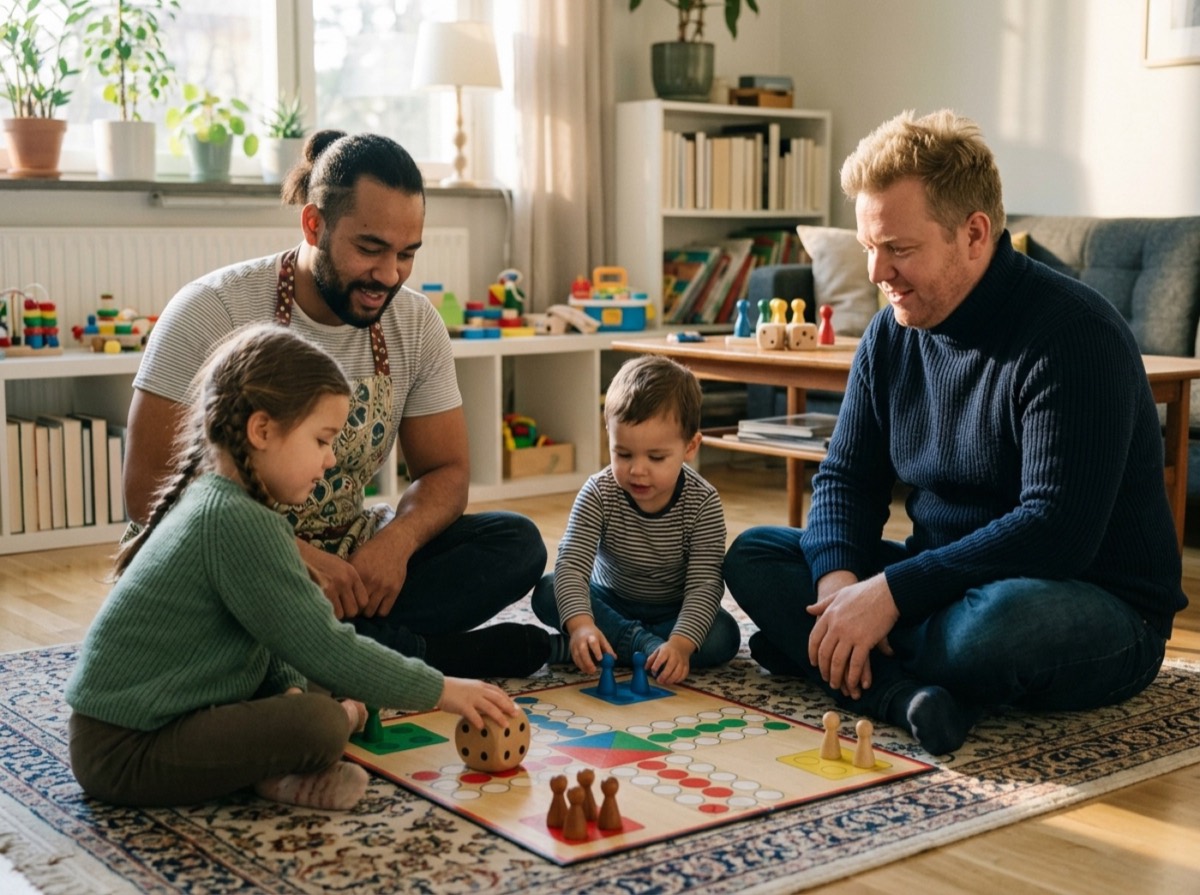 AI generated
Knowing how to choose a board game for kids saves you from the classic disappointment: a box that looked great in the shop, played once and then pushed to the back of the cupboard. The right game matches your child's age, attention span, reading level and temperament, and is fun for the adults at the table too.
This guide explains what the age on the box really means, which game types suit each stage of childhood, how to handle children who find losing hard, and what to check before you buy.
What does the age rating on a board game mean?
The age printed on a box is a publisher's estimate of when a typical child can understand the rules and play without much help. It is a guide, not a rule. A child who has played lots of games may be ready earlier, while a child who is new to games may need a simpler option.
Separate from that estimate, toy safety warnings tell you about physical hazards. In the EU, a warning that a game is not suitable for children under three usually points to small parts that could be a choking risk. Take that warning seriously even if an older sibling is the main player, because small pieces tend to travel around the house.
Board games for kids by age: what works at each stage
Children's abilities change quickly, so it helps to think in stages. Use the list below as a starting point and adjust for your own child.
- Ages 2 to 3: very simple matching, colour and picture games with large, sturdy pieces and turns of a few seconds. Games often last five to ten minutes.
- Ages 4 to 5: memory games, simple dice-rolling races, first co-operative games and games that practise counting, colours and taking turns.
- Ages 6 to 7: light strategy with a few meaningful choices, simple card games, word and picture guessing games. Early readers can handle a little text.
- Ages 8 to 10: real decision-making, trading, set collection, tile placement and deduction games. Many family games in the 30 to 45 minute range fit here.
- Ages 11 and up: most mainstream family and gateway strategy games, plus team party games and longer co-operative adventures.
The best board game for a child is the one the whole family is still happy to play on the twentieth round.
Check the playing time and the rules length
Attention span is often the deciding factor. A game that lasts longer than your child can sit still will end in frustration, however good it is. For younger children, look for games that take about ten to twenty minutes. For older children, the playing time on the box is a reasonable guide, although first plays usually take longer.
Look at how much reading the game needs. Games with lots of text on cards can be hard for early readers to play independently, while picture-based games let them join in fully. If you can, flip through the rulebook online or in the shop: a short, illustrated rulebook is a good sign for a family game.
Co-operative vs competitive games for kids
Co-operative games, where all players win or lose together against the game, are a great fit for young children and for kids who find losing painful. They encourage talking, planning together and helping each other, and the adults can guide without taking over.
Competitive games still matter. They let children practise winning graciously and losing calmly in a safe setting. A good approach is to mix both types and choose games where luck plays a part, so younger players have a real chance against older siblings and adults without anyone having to play badly on purpose.
What skills can board games teach children?
Almost every game builds something useful, even when it is sold purely for fun. You do not need a game labelled "educational" to get these benefits, and games that feel like homework tend not to get played.
- Taking turns, patience and following rules.
- Counting, simple arithmetic and recognising numbers on dice.
- Memory and concentration.
- Reading, vocabulary and describing things clearly.
- Planning ahead, spotting patterns and weighing choices.
- Handling emotions when things do not go their way.
Pick a game the whole family will enjoy
Children want to play favourite games again and again, so choose one that adults can tolerate on the twentieth play. Games with short turns, simple rules and a little strategy or surprise usually work best for mixed ages.
Consider your child's interests too. A child who loves animals, space or drawing is more likely to pick up a game themed around them. Sturdy components, clear artwork and good storage inside the box also make a difference over years of use.
- Does it support the number of players in your family?
- Can a younger child play with a little help, without slowing everyone down?
- Is there enough variety for repeated plays?
- Are the pieces durable and easy to put away?
- Can the rules be simplified for younger players?
Tips for playing board games with young children
Keep early sessions short and end while your child is still enjoying it. Teach by playing an open round, where everyone shows their cards and talks through moves. Feel free to simplify the rules at first and add the full version once your child is ready.
Praise good choices and good sportsmanship rather than only the result. If a game causes tears every time, put it away for a few months. It may be a hit once your child is a little older.
Frequently asked questions
What is a good first board game for a toddler?
+
Look for simple matching, colour or picture games with large pieces and very short turns. Games designed for ages two to three often last five to ten minutes, which suits a toddler's attention span. Always check the small parts warning.
Are the ages on board game boxes accurate?
+
They are a useful estimate of when a typical child can follow the rules, but children vary. Experienced young players may be ready earlier. Safety warnings about small parts are different and should always be followed.
What board games are good for kids who hate losing?
+
Co-operative games are ideal, because everyone wins or loses together. Games with a good dose of luck also help, since the result feels less personal and younger players have a fair chance.
At what age can kids play strategy games?
+
Many children can enjoy light strategy games with a few meaningful choices around ages six to seven. By eight to ten, most can handle trading, set collection and deduction games designed for families.
Should I let my child win at board games?
+
Occasionally easing off is fine for very young children, but it is usually better to choose games where luck evens things out. That way wins feel real, and children can practise losing calmly in a low-stakes setting.
How long should a board game for kids last?
+
For preschoolers, ten to twenty minutes is plenty. School-age children can often manage thirty to forty-five minutes, especially if turns are short and everyone stays involved.
Choosing a board game for kids is easier once you look past the box art to the details that matter: a realistic age estimate, a playing time that fits your child's attention span, the right amount of reading and a style of play that suits their temperament. Pick games the whole family can enjoy, keep early sessions short, and you will build a shelf of games that get played for years.
How we research: Guides are written from established sources and checked for accuracy. They are general information, not professional advice.
Written by
Bitezine Editorial Team
Rankings, reviews & guides
Our editors research every piece from makers’ documentation, independent tests and owner reports, and update it when products change.