Culture
How to appreciate opera: a beginner's guide to your first night
How to appreciate opera without feeling lost: which works to start with, how to prepare, what the voice types mean and how to behave in the house.
 Bitezine Editorial TeamRankings, reviews & guides 6 min read
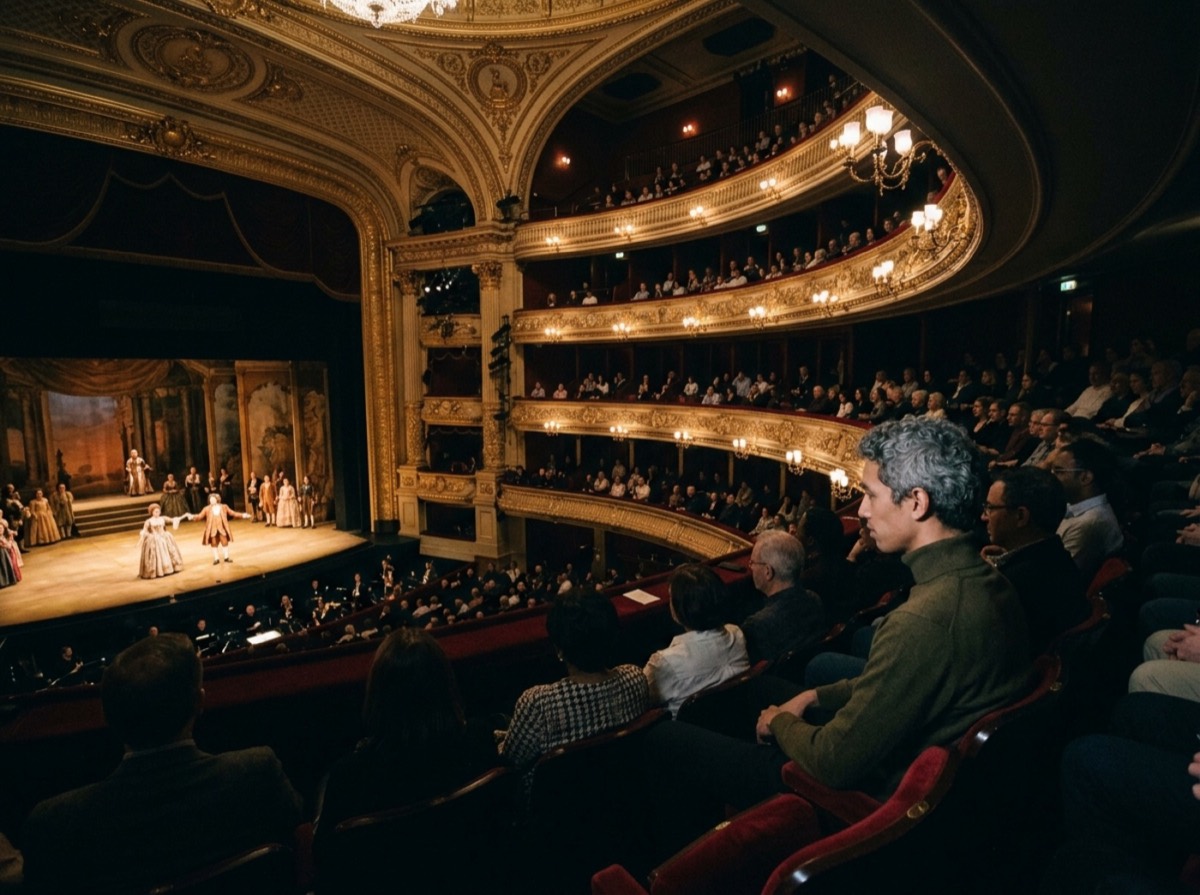 AI generated
Learning how to appreciate opera is easier than its reputation suggests. Opera is theatre told through music: a story with characters, conflict and a big finish, where the orchestra and the voices carry the emotion that actors would normally carry with words.
This guide explains what makes opera different from other music, which works make a good first experience, how to prepare in an hour or less, what the voice types mean and how to feel at ease in the opera house.
What is opera, and why does it feel so intense?
Opera began in Italy around 1600. One of the earliest works still performed regularly is Claudio Monteverdi's L'Orfeo from 1607. Since then the form has grown to include grand historical dramas, comedies, fairy tales and modern pieces about real events.
Singers in opera perform without microphones. Their voices are trained to carry over a full orchestra and fill a large hall, which is one reason a live performance can feel physically overwhelming. The music also slows time down: a character may spend five minutes on a single moment of heartbreak, because the aria lets you live inside that feeling.
Most operas alternate between two kinds of singing. Recitative moves the plot forward in a speech-like style, while arias are the set-piece songs where a character reflects or reacts. Ensembles, duets and choruses fill the space between.
Best operas for beginners
A good first opera has a clear story, memorable tunes and a reasonable running time. These works are popular with newcomers for good reason:
- Carmen by Georges Bizet: a tale of jealousy with melodies you already know from films and adverts.
- La bohème by Giacomo Puccini: young artists in Paris, love and loss, and under two hours of music.
- The Magic Flute by Wolfgang Amadeus Mozart: a fairy tale with comedy, often staged with families in mind.
- La traviata by Giuseppe Verdi: an intimate love story with some of the most famous tunes in opera.
- The Barber of Seville by Gioachino Rossini: fast, funny and full of energy.
- Hansel and Gretel by Engelbert Humperdinck: a German favourite, widely staged around Christmas.
Opera stories are rarely about surprise, so knowing the ending lets you focus on how the music tells it.
How to prepare before you go
You do not need to study the score, but a little preparation makes a big difference. Read a plot summary first. Opera stories are rarely about surprise, so knowing the ending lets you focus on how the music tells it.
Listen to two or three of the famous numbers beforehand. When you recognise a melody on stage, it acts like an anchor and helps you follow where you are. Many opera houses also publish a short introduction on their website and offer free pre-performance talks about 30 to 45 minutes before curtain up. These talks explain the production's concept, which matters because modern stagings often move the story to another time or place.
Finally, check the running time and the number of intervals. Some operas last under two hours, while Wagner's longer works can run beyond five hours including breaks.
Opera voice types explained
Voices are grouped by range and colour, and composers use them to signal character. Knowing the basics helps you guess who is who within minutes.
- Soprano: the highest female voice, often the heroine.
- Mezzo-soprano: a darker female voice, often rivals, seductresses or young men in 'trouser roles'.
- Contralto: the lowest female voice, rarer and often used for older or mysterious characters.
- Countertenor: a male voice singing in the alto range, common in Baroque opera.
- Tenor: the highest standard male voice, usually the romantic lead.
- Baritone: the middle male voice, often a father, friend or villain.
- Bass: the deepest voice, used for kings, priests and comic old men.
How to understand opera in another language
Most operas are sung in Italian, German, French or Russian. Nearly all large opera houses now project surtitles, a translation shown above the stage or on small screens on the seat backs. They became widespread in the 1980s and changed the experience for newcomers.
Try not to read every line. Glance at the surtitle to catch the meaning, then look back at the stage. The singers' faces and the orchestra will tell you more than the text. In repeated lines, which are common in arias, you can ignore the translation completely.
Opera etiquette: what to wear and when to clap
Dress codes are more relaxed than many people expect. Smart casual is fine for most performances, and you will see everything from jeans with a good jacket to evening dresses. Premieres, festival evenings and gala nights tend to be dressier.
Arrive early, because latecomers are often held outside until a suitable break. Switch off your phone completely, since even a lit screen distracts people around you. Recording and photography are usually forbidden during the performance.
Applause follows its own rhythm. It is normal to clap after a famous aria in Italian opera, and audiences often shout 'bravo' for a man, 'brava' for a woman and 'bravi' for a group. In works written as continuous music, such as Wagner's, people usually wait until the end of an act. If you are unsure, wait for others to start.
Affordable ways to enjoy opera
Opera does not have to be expensive. Many houses offer reduced tickets for students and people under 30, standing places, last-minute discounts and cheaper seats with a partial view that still sound excellent. In Germany, many city and state theatres run a full opera programme with moderate ticket prices, so a regional house is a good place to start.
Dress rehearsals, open-air screenings and cinema broadcasts of live performances are other low-risk ways in. Smaller chamber operas and concert performances, where the music is sung without full staging, are also a good way to focus purely on the voices.
Opera vs musical: what is the difference?
The line is blurry, but the general difference lies in the voice and the balance of music and speech. Opera singers use classical technique without amplification, and the music usually runs throughout. Musicals use amplified voices, popular song styles and more spoken dialogue. Operetta sits in between, with spoken scenes and light, tuneful numbers, and makes another friendly entry point.
Frequently asked questions
What is a good first opera to see?
+
Carmen, La bohème, La traviata and The Magic Flute are the classic choices. They have clear stories, famous melodies and manageable running times. A comedy such as The Barber of Seville also works well if you prefer something light.
What should I wear to the opera?
+
Smart casual is acceptable at most performances. Formal wear is more common at premieres, galas and festivals. Comfortable clothes in layers are sensible, because theatres can be warm and some operas are long.
When do you clap at the opera?
+
At the end of each act and at the final curtain, always. In many Italian and French operas, audiences also clap after big arias. If you are unsure, wait for the rest of the audience to begin.
Do operas have subtitles?
+
Most large opera houses show surtitles, a translation projected above the stage or displayed on seat-back screens. They usually offer the local language and often English as well.
How long is an average opera?
+
Many popular operas run between two and three hours including one or two intervals. Some are shorter, while Wagner's longer operas can last five hours or more. The running time is normally listed on the ticket page.
Is opera boring for beginners?
+
It can feel slow if you arrive unprepared. Reading the plot and listening to a few famous arias beforehand makes a large difference, and choosing a popular work with a lively production helps too.
The best way to appreciate opera is to go, with a plot summary in your head and no pressure to understand every note. Pick a well-loved work, find an affordable seat and let the voices do their job. Most people who fall for opera remember the exact moment it happened: usually in a live hall, when a single voice cut through the orchestra.
How we research: Guides are written from established sources and checked for accuracy. They are general information, not professional advice.
Written by
Bitezine Editorial Team
Rankings, reviews & guides
Our editors research every piece from makers’ documentation, independent tests and owner reports, and update it when products change.