Food & Drink
Dark, milk and white chocolate explained: what really sets them apart
Dark, milk and white chocolate explained: ingredients, legal minimums, what cocoa percentage means, and how each type tastes, melts and works in recipes.
 Bitezine Editorial TeamRankings, reviews & guides 5 min read
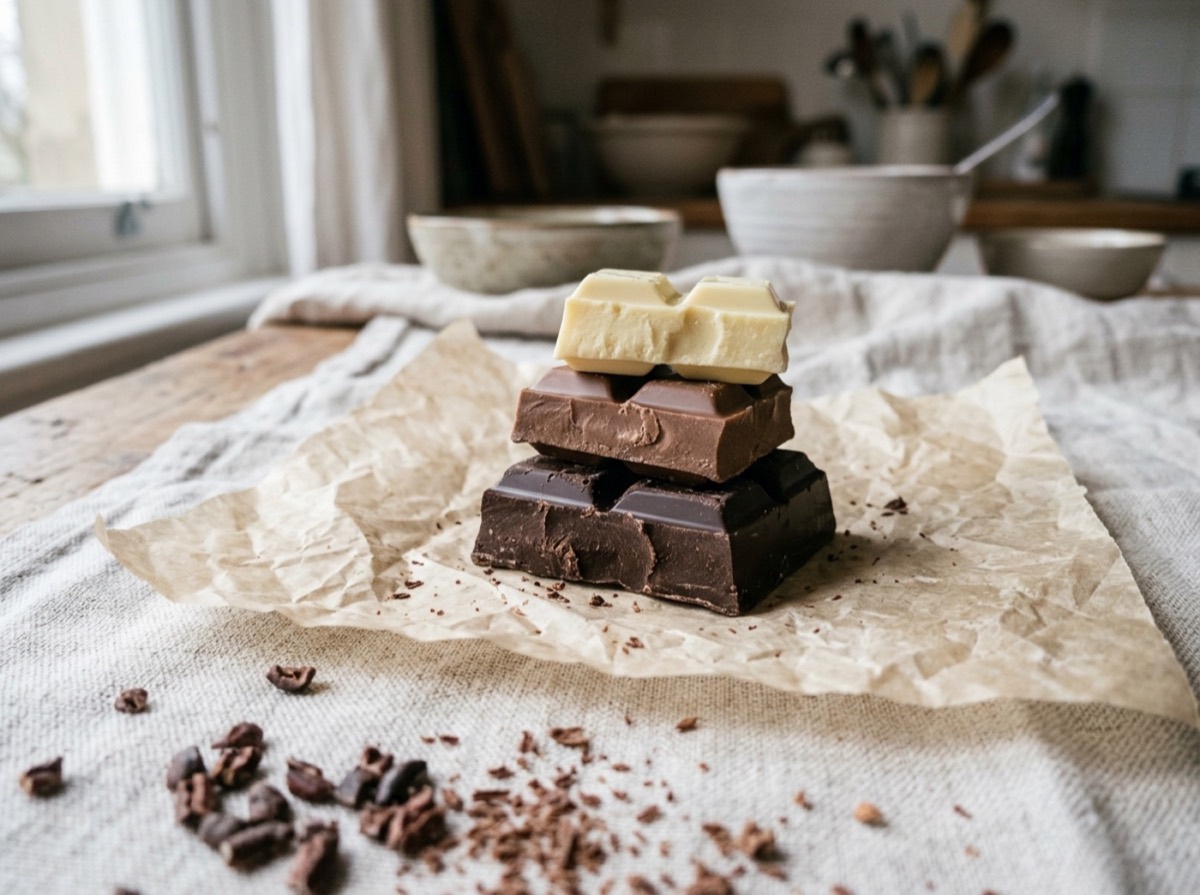 AI generated
Dark, milk and white chocolate all start with the cocoa bean, yet they taste, melt and behave so differently that they can feel like separate foods. The differences come down to a few ingredients: cocoa solids, cocoa butter, milk and sugar, and the proportions a maker chooses.
This guide explains what each type of chocolate is made of, the legal minimums in the EU, what the percentage on a bar really tells you and how to choose the right chocolate for eating and baking.
From cocoa bean to chocolate: the building blocks
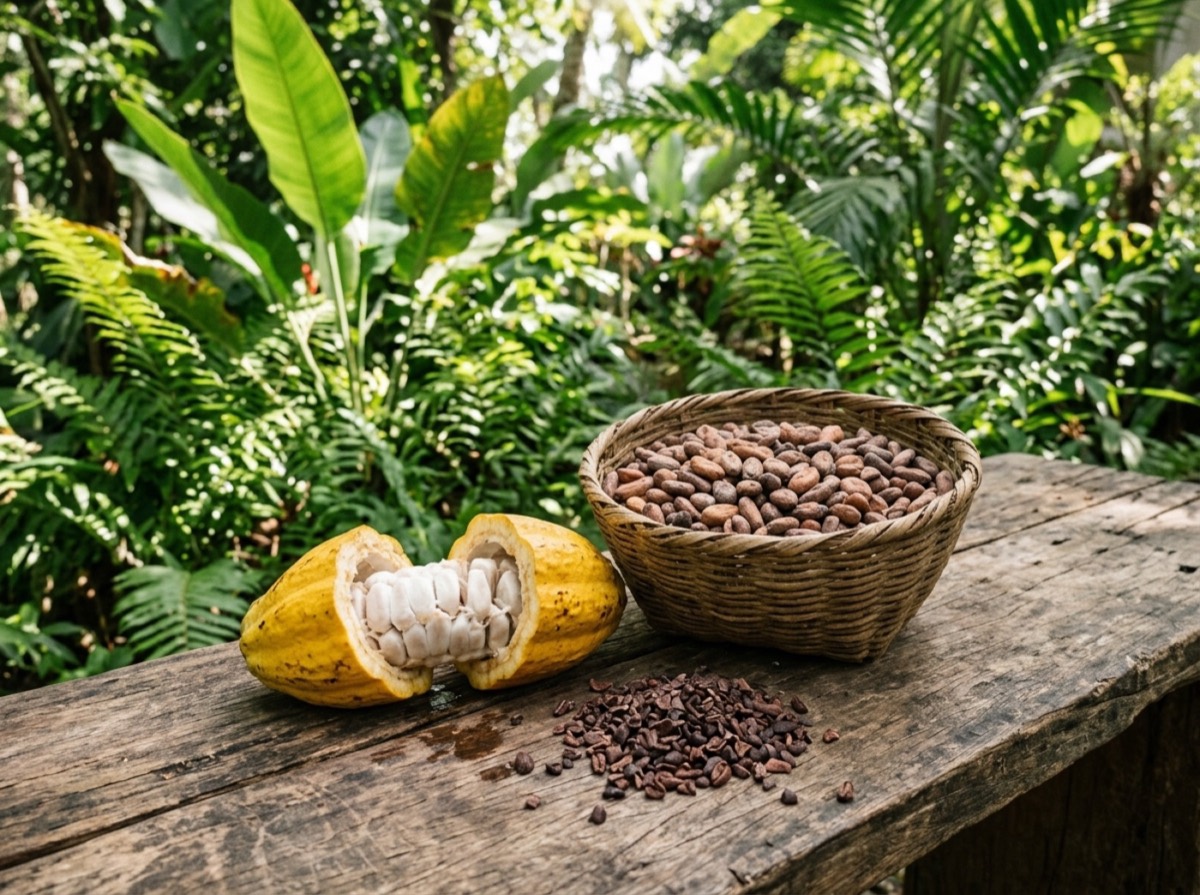
Fermented, dried and roasted cocoa beans are cracked and ground into a thick paste called cocoa mass or cocoa liquor, even though it contains no alcohol. Cocoa mass contains two parts: cocoa butter, the pale fat, and fat-free cocoa solids, which carry most of the colour, bitterness and chocolate flavour.
Chocolate makers combine these parts with sugar and, for some types, milk. They usually add a little emulsifier such as lecithin and often vanilla. The mixture is then refined and conched, a long stirring process that smooths texture and softens harsh flavours.
What is dark chocolate made of?
Dark chocolate is essentially cocoa mass, extra cocoa butter and sugar, with no or very little milk. Under EU rules, chocolate must contain at least 35 percent total dry cocoa solids, including at least 18 percent cocoa butter and at least 14 percent fat-free cocoa solids. In the United States, semisweet and bittersweet chocolate need at least 35 percent chocolate liquor.
In practice, many dark bars sit between about 50 and 85 percent cocoa, and some go higher. The more cocoa, the less room for sugar, so flavour becomes more intense, bitter and complex. Semisweet and bittersweet are not strictly defined against each other; bittersweet usually just means a higher cocoa share.
The cocoa percentage tells you about intensity and sweetness, not about quality.
What is milk chocolate made of?
Milk chocolate adds milk solids, usually as milk powder or milk crumb, to cocoa mass, cocoa butter and sugar. In the EU, milk chocolate must contain at least 25 percent total dry cocoa solids and at least 14 percent dry milk solids, with a minimum total fat content. Some countries allow a separate, lower-cocoa category often labelled family milk chocolate.
Typical milk chocolate contains roughly 25 to 40 percent cocoa, while darker 'dark milk' styles go to 45 percent and beyond. Milk softens bitterness and brings caramel and dairy notes, and the higher sugar content makes it sweeter and creamier.
Is white chocolate real chocolate?
White chocolate contains cocoa butter, but no fat-free cocoa solids, which is why it is pale and has no bitterness. Under EU rules it must contain at least 20 percent cocoa butter and at least 14 percent dry milk solids. US rules also require at least 20 percent cocoa butter, along with minimum milk solids and a cap on sweeteners.
So yes, legally it is a type of chocolate, as long as its fat comes from cocoa butter. Products that swap cocoa butter for other vegetable fats are usually sold as white coating or compound and cannot use the chocolate name in the EU.
Good white chocolate tastes of milk, cream, vanilla and gentle cocoa butter. Because it is mostly sugar, milk and fat, it burns easily when melted, so heat it slowly and at lower temperatures.
What does the cocoa percentage on a bar mean?
The percentage is the total share of ingredients that come from the cocoa bean: cocoa mass, cocoa butter and cocoa powder combined. Most of the rest is sugar, plus milk in milk chocolate.
The number does not tell you how that cocoa is split. Two 70 percent bars can taste very different if one has more cocoa butter and the other more cocoa solids. Origin, roasting and conching change flavour too, so use percentage as a guide to intensity and sweetness, not quality.
Dark vs milk vs white chocolate at a glance
These are general tendencies; individual products vary.
- Flavour: dark is intense and bitter-to-fruity, milk is sweet and creamy, white is sweet and milky with no bitterness
- Cocoa solids: highest in dark, moderate in milk, none in white
- Sugar: usually lowest in dark, higher in milk, often highest in white
- Caffeine and theobromine: come from fat-free cocoa solids, so dark has the most, milk less and white only trace amounts
- Melting: dark is the most forgiving, white the most heat-sensitive
- Tempering working range: roughly 31–32°C for dark, 29–30°C for milk, 28–29°C for white
What about ruby chocolate?
Ruby chocolate reached shops in 2017 and is often called a fourth type. It has a natural pink colour and a berry-like, slightly sour taste, which comes from specially selected and processed cocoa beans rather than added fruit or colouring. It is made with cocoa butter, milk and sugar and handles much like milk chocolate.
Which chocolate is best for baking?
Dark chocolate of around 55 to 70 percent is the most versatile choice for brownies, cakes, ganache and mousse. It brings depth and balances the sugar in the recipe. Very high percentages can make desserts dry or bitter unless the recipe is designed for them.
Milk and white chocolate work well in cookies, creamy fillings and sweeter desserts, but they are softer and more sensitive to heat. If you swap dark for milk in a recipe, expect a sweeter result and a softer set; for ganache you usually need more milk or white chocolate relative to cream.
Frequently asked questions
What is the main difference between dark and milk chocolate?
+
Dark chocolate contains more cocoa and little or no milk, so it is more intense and less sweet. Milk chocolate adds milk solids and usually more sugar, which makes it creamier and milder.
Why is white chocolate not brown?
+
White chocolate contains cocoa butter but none of the fat-free cocoa solids, which carry the brown colour and bitter flavour. Its colour comes from cocoa butter, milk and sugar.
Does white chocolate have caffeine?
+
Only trace amounts at most. Caffeine and theobromine are found mainly in the fat-free cocoa solids, which white chocolate does not contain. Dark chocolate has the most.
Is dark chocolate healthier than milk chocolate?
+
Dark chocolate usually has less sugar and more cocoa solids, which contain fibre, minerals and plant compounds. It is still high in calories and fat, so any chocolate is best enjoyed in moderate amounts as part of a balanced diet.
What is the difference between semisweet and bittersweet chocolate?
+
Both are dark chocolates. Bittersweet usually has a higher cocoa percentage and less sugar than semisweet, but there is no fixed dividing line, so check the percentage on the pack.
Can I use milk chocolate instead of dark chocolate in a recipe?
+
Often yes, but the result will be sweeter and softer. Reduce sugar slightly if you can, and for ganache use more chocolate relative to cream to get a similar set.
Dark, milk and white chocolate share the same origin but differ in how much cocoa solids, cocoa butter, milk and sugar they contain. Once you understand those building blocks and what the cocoa percentage really measures, it becomes easy to pick the right bar for a slow tasting, a rich brownie or a delicate white chocolate mousse.
How we research: Guides are written from established sources and checked for accuracy. They are general information, not professional advice.
Written by
Bitezine Editorial Team
Rankings, reviews & guides
Our editors research every piece from makers’ documentation, independent tests and owner reports, and update it when products change.