Culture
Anime for beginners: where to start and what to watch
Anime for beginners: what anime is, the main genres and demographics, classic series and films to start with, and how to choose between subs and dubs.
 Bitezine Editorial TeamRankings, reviews & guides 5 min read
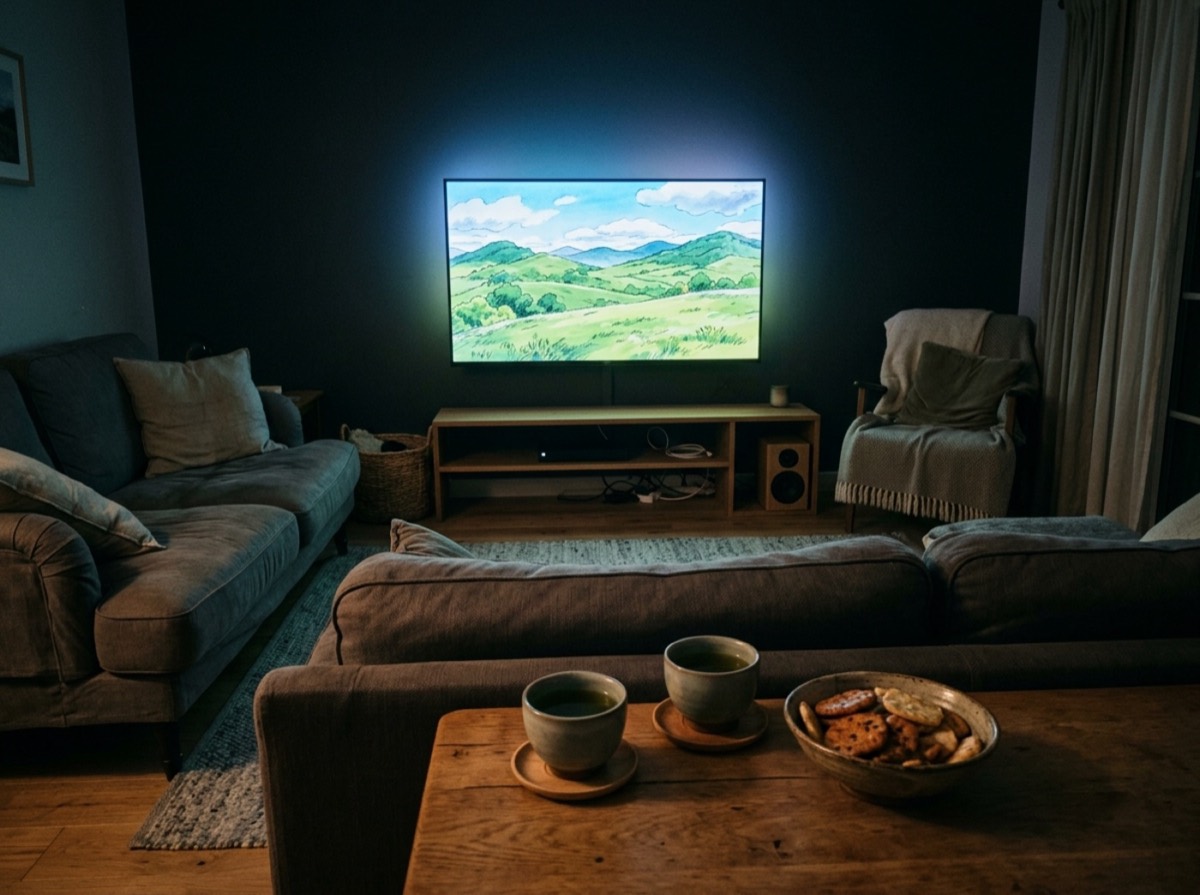 AI generated
Anime for beginners can feel like a maze. There are thousands of series, unfamiliar terms and passionate fans with strong opinions about where you should start. The truth is simpler: anime is a medium, not a single genre, and there is something in it for almost every taste.
This guide explains what anime is, how the main categories work, which series and films make good first picks, how to choose between subtitles and dubbing and what common terms mean.
What is anime?
Anime is animation from Japan. The word is a shortened form of the Japanese borrowing of 'animation', and in Japan it can refer to any animation, while elsewhere it usually means Japanese productions.
Japanese animation dates back to the early twentieth century, but the TV anime industry took off in 1963 with Osamu Tezuka's Astro Boy. Since then, anime has grown into a global medium covering action, romance, comedy, sport, science fiction, fantasy, horror, drama and everyday life. Many series are adapted from manga, Japanese comics, while others come from light novels, video games or original scripts.
Anime genres and demographics explained
Anime is often grouped by its intended audience as well as by genre. These labels come from the magazines where the original manga appeared, and they describe a target reader rather than a rule about who may watch.
- Shōnen: aimed at teenage boys, often action and adventure with themes of friendship and growth.
- Shōjo: aimed at teenage girls, often focused on relationships and emotions.
- Seinen: aimed at adult men, typically darker, more complex or more violent.
- Josei: aimed at adult women, usually realistic stories about work, love and life.
- Isekai: a character is transported to or reborn in another world.
- Mecha: stories built around giant robots or piloted machines.
- Slice of life: calm stories about daily routines and relationships.
- Sports: team or individual competition with strong character arcs.
Anime is a medium, not a single genre.
Best anime series for beginners
These series are regularly recommended to newcomers because they are well made, complete or easy to follow, and appeal beyond hardcore fans:
- Fullmetal Alchemist: Brotherhood: two brothers search for a way to restore their bodies in a complete, carefully plotted fantasy story of 64 episodes.
- Death Note: a student finds a notebook that can kill, leading to a tense battle of wits.
- Cowboy Bebop: 26 stylish episodes about bounty hunters in space, with a famous jazz soundtrack.
- Attack on Titan: humanity fights giant creatures in a dark story full of twists.
- Haikyu!!: an energetic volleyball series that wins over people who do not follow sport.
- Mob Psycho 100: a psychic schoolboy tries to live a normal life, with inventive animation and warmth.
- Frieren: Beyond Journey's End: a reflective fantasy about an elf mage coming to terms with time and loss.
- Violet Evergarden: a former soldier learns to understand emotion by writing letters for others.
Best anime films for beginners
Films are a great low-commitment way in. Studio Ghibli, founded in 1985, is the most common starting point. Hayao Miyazaki's Spirited Away (2001) won the Academy Award for Best Animated Feature, and My Neighbor Totoro (1988) and Princess Mononoke (1997) are also widely loved.
Beyond Ghibli, try Makoto Shinkai's Your Name (2016), a body-swap romance with striking visuals, and A Silent Voice (2016), a moving story about bullying and redemption. Satoshi Kon's Perfect Blue (1997) and Paprika (2006) suit viewers who enjoy psychological thrillers, and Akira (1988) is a landmark of science-fiction animation.
Sub vs dub: which should you choose?
Subbed anime keeps the original Japanese voices with translated subtitles. Dubbed anime replaces the voices with a recording in another language, such as English or German.
Subs preserve the original performances and are usually available sooner for new series. Dubs let you watch without reading, which is helpful for action-heavy scenes or for watching with family. Many recent dubs are of high quality. There is no correct answer. Try an episode of each and choose what lets you enjoy the story.
How anime seasons and episodes work
New TV anime is usually released in four seasonal blocks: winter, spring, summer and autumn. A typical run is called a cour and lasts around 12 to 13 episodes, with each episode about 24 minutes long including opening and closing songs. Longer series may run for two cours or more, and popular shows often return for later seasons after a break.
For beginners, a 12 or 24-episode series is a manageable commitment. Very long-running series, some with hundreds of episodes, can be rewarding but are better tackled once you know you enjoy the medium.
Common anime terms beginners should know
A few words come up again and again in reviews and discussions:
- Manga: Japanese comics, the source of many anime.
- Light novel: a short, illustrated prose novel, another common source.
- OVA: an original video animation, released outside a regular TV broadcast.
- Filler: episodes not based on the source material, often skippable in long series.
- OP and ED: the opening and ending theme sequences.
- Seiyū: a Japanese voice actor.
- Studio: the animation company behind a series, a useful guide to quality and style.
Tips for choosing your first anime
Start with genres you already like in films and TV. If you enjoy crime thrillers, try Death Note; if you like sport dramas, try Haikyu!!; if you prefer gentle fantasy, try a Ghibli film or Frieren. Give a series three episodes before deciding, as many take a little time to settle. Check age ratings, because some anime is aimed firmly at adults. Finally, follow studios and directors you like, since that is one of the most reliable ways to find more good shows.
Frequently asked questions
What anime should I watch first?
+
Fullmetal Alchemist: Brotherhood, Death Note and Cowboy Bebop are classic first series. If you prefer a film, Spirited Away or Your Name are excellent introductions.
Is it better to watch anime subbed or dubbed?
+
Both are valid. Subs keep the original Japanese performances, while dubs let you focus on the visuals. Try both and choose whichever helps you enjoy the story more.
What is the difference between shōnen and seinen?
+
Shōnen anime is aimed at teenage boys and often focuses on action, friendship and growth. Seinen targets adult men and tends to be darker and more complex. Anyone can enjoy either.
What is the difference between anime and manga?
+
Anime is Japanese animation, while manga refers to Japanese comics. Many anime series are adapted from manga, so fans often read the manga to continue a story.
Is anime only for kids?
+
No. Anime covers every age group, and many series are made for adults with mature themes. Check the age rating before watching with children.
How long is a typical anime series?
+
Most modern TV anime seasons run 12 to 13 episodes of about 24 minutes. Some series run for 24 episodes or more, and a few long-running shows have hundreds.
Anime for beginners becomes easy once you treat it like any other medium: follow the genres you already enjoy, start with well-loved classics and give each series a fair chance. Pick one series and one film from this guide, and within a few evenings you will know which corner of anime suits you.
How we research: Guides are written from established sources and checked for accuracy. They are general information, not professional advice.
Written by
Bitezine Editorial Team
Rankings, reviews & guides
Our editors research every piece from makers’ documentation, independent tests and owner reports, and update it when products change.