Review · Culture
The Hobbit review: Tolkien's timeless adventure for all ages
Is The Hobbit worth reading in 2026? A spoiler-free review of Tolkien's classic: story, style, age range, reading order and how it compares with the films.
 Bitezine Editorial TeamRankings, reviews & guides 7 min read
 AI generated
 Book (fantasy novel) · Budget
The Hobbit, or There and Back Again
The Hobbit is a charming, funny and exciting fantasy adventure that works beautifully as a family read-aloud and as the gentlest possible gateway into Tolkien's Middle-earth.
What we like
- +Classic quest story that is easy to follow
- +Warm, witty narrator who is perfect for reading aloud
- +Much shorter and lighter than The Lord of the Rings
- +Memorable characters, riddles, songs and set pieces
- +Tolkien's own maps and illustrations in many editions
What could be better
- −Almost no female characters
- −Narrator's asides can feel old-fashioned to modern readers
- −Songs and poems slow the pace for some readers
- −The final act is darker and more political than the start
Best for: Families, first-time fantasy readers and Tolkien newcomers
Visit J.R.R. Tolkien (author); first published by George Allen & Unwin, 1937 →The Hobbit by J.R.R. Tolkien has been delighting readers since 21 September 1937, and this spoiler-free The Hobbit review asks whether it still holds up in 2026. Published by George Allen & Unwin, with maps and illustrations drawn by Tolkien himself, the book was an instant success and is estimated to have sold tens of millions of copies, placing it among the best-selling novels ever written.
Written as a story for children, The Hobbit laid the foundations of modern fantasy and led directly to The Lord of the Rings. Drawing on the text, its critical history and decades of reader response, here is what makes it special, who it suits and how it compares with Peter Jackson's films.
What is The Hobbit about? (no spoilers)
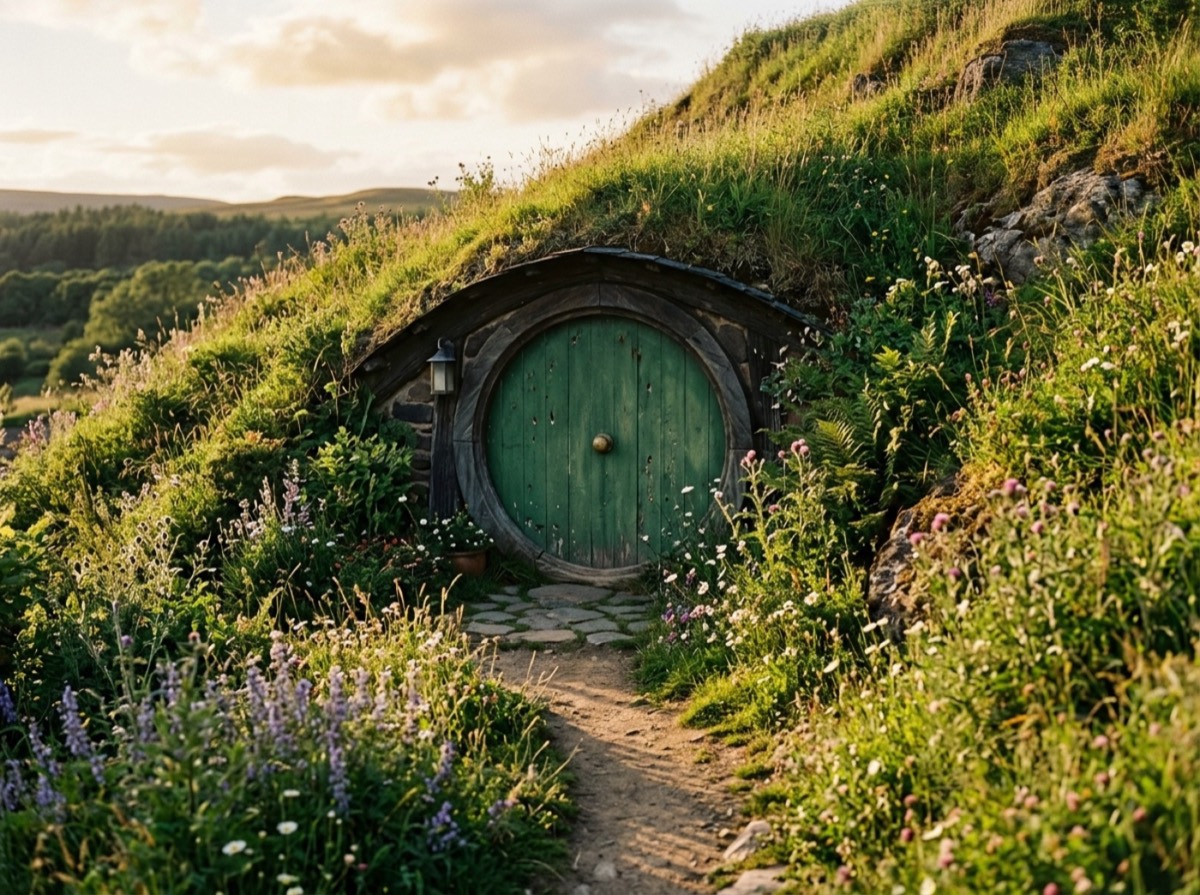
Bilbo Baggins is a respectable, comfort-loving hobbit who wants nothing more than a quiet life in his cosy hole in the ground. Then the wizard Gandalf and a company of thirteen dwarves turn up at his door. The dwarves plan to reclaim their homeland and treasure from the dragon Smaug, and Gandalf has decided that Bilbo will join them as their burglar.
What follows is a classic journey 'there and back again', through wild lands full of trolls, goblins, elves, giant spiders and other perils. The fun lies in watching a reluctant homebody discover courage and cleverness he never knew he had.
Writing style: a storyteller at the fireside
Tolkien tells the tale in the voice of a friendly narrator who addresses the reader directly, makes jokes and occasionally comments on the characters. That gives The Hobbit a very different feel from the grand, serious tone of The Lord of the Rings, and it is a big reason why the book works so well read aloud.
The prose is clear and brisk, and chapters are episodic, so each one feels like a small adventure. Songs and riddles are woven throughout. Some modern readers find the narrator's asides quaint and the poems skippable, but many consider them part of the book's charm.
Is The Hobbit a children's book? Age suitability
Yes, Tolkien originally wrote it for children, and C.S. Lewis praised its humour and understanding of young readers. But it is equally enjoyable for adults, who tend to notice its themes of greed, courage and home more sharply.
Many families start reading it aloud with children from around eight, while confident readers often tackle it alone from about ten. There are battles and frightening creatures, and the later chapters include war and death, though nothing graphic. Some vocabulary is old-fashioned, which makes a shared first read helpful for younger children.
Should you read The Hobbit before The Lord of the Rings?
For most readers, yes. The Hobbit introduces Bilbo, Gandalf, Gollum and the ring that drives the later trilogy, and it is a much gentler entry point. Tolkien revised the book in 1951 so that one key chapter fits better with The Lord of the Rings, which is the version found in modern editions.
Be aware that the tone shifts considerably between the two. If you love The Hobbit's lightness, The Lord of the Rings will feel longer, darker and more epic. That is not a bad thing, but it is worth knowing.
The Hobbit book vs movies
Peter Jackson turned this one fairly short novel into three long films released between 2012 and 2014. To fill that running time, the films add characters, subplots and extended action scenes that aren't in the book, and borrow material from Tolkien's other writings. Many fans enjoy them as spectacle, but critics often felt they stretched the story too thin.
The book is tighter, funnier and more focused on Bilbo. There is also a 1977 Rankin/Bass animated TV film, which is shorter and closer in spirit to the original's fairy-tale tone. If you only know the movies, the novel will feel refreshingly compact.
Which edition should you buy?
Any complete modern edition works. Families may prefer an illustrated version: editions with Tolkien's own paintings and drawings are especially attractive, and Alan Lee's illustrated edition is a popular gift. The Annotated Hobbit adds background for adults and serious fans. The audiobook is also a good option for car journeys.
Who should read The Hobbit?
It is one of the few books that works equally well at eight and eighty.
- Families looking for a classic read-aloud adventure
- Children and teenagers new to fantasy
- Adults who found The Lord of the Rings too daunting
- Fans of the films who want the original story
- Anyone interested in the roots of modern fantasy
Key specs
- Author
- J.R.R. Tolkien
- First published
- 21 September 1937, George Allen & Unwin
- Length
- Roughly 300 pages in most editions
- Genre
- Fantasy, children's literature
- Illustrations
- Maps and artwork by Tolkien himself
- Reading age
- Often read aloud from about 8; independent reading around 10+
- Related works
- Prelude to The Lord of the Rings
- Recognition
- Carnegie Medal nominee; New York Herald Tribune prize for best juvenile fiction (1938)
Alternatives to consider
- The Lord of the Rings by J.R.R. Tolkien: The epic follow-up set in the same world, for readers ready for a longer, darker journey.
- The Lion, the Witch and the Wardrobe by C.S. Lewis: Another short, classic fantasy for families, by Tolkien's friend and fellow Inkling.
- A Wizard of Earthsea by Ursula K. Le Guin: A thoughtful coming-of-age fantasy classic that suits older children and adults.
Frequently asked questions
Is The Hobbit worth reading?
+
Yes. It is a short, charming and exciting fantasy adventure that has stayed in print since 1937. It is enjoyable for children and adults and is the best introduction to Tolkien's Middle-earth.
What age is The Hobbit suitable for?
+
Many families read it aloud from about age eight, and confident readers often read it alone from around ten. It includes battles and some frightening creatures but no graphic content.
Should I read The Hobbit before The Lord of the Rings?
+
Most readers should. The Hobbit introduces key characters and the ring that drives the later story, and it is shorter and easier to read. The Lord of the Rings has a noticeably darker and more epic tone.
How long is The Hobbit?
+
Most editions run to roughly 300 pages, depending on typesetting and illustrations. That makes it far shorter than any single volume of The Lord of the Rings.
Is The Hobbit book better than the movies?
+
Many readers think so. Peter Jackson's three films add characters and subplots not in the novel, while the book is tighter, funnier and more focused on Bilbo.
When was The Hobbit published?
+
The Hobbit was first published on 21 September 1937 by George Allen & Unwin in London. Tolkien revised it in 1951 to align it with The Lord of the Rings.
Is The Hobbit hard to read?
+
Not especially. The language is clear, though some words and the narrator's style are old-fashioned. Reading it aloud together helps younger children.
Nearly nine decades after its publication, The Hobbit remains one of the most rewarding books you can pick up or read to a child. It is funny, cosy and thrilling by turns, and it opens the door to one of literature's richest imaginary worlds. Its dated narrator and near-absence of female characters are real drawbacks, but they don't stop it being an essential classic in 2026.
How we research: Reviews are based on the maker’s specifications, published independent tests and owner reports. Scores compare the product with others in its class.
Written by
Bitezine Editorial Team
Rankings, reviews & guides
Our editors research every piece from makers’ documentation, independent tests and owner reports, and update it when products change.