Review · Food & Drink
Bialetti Moka Express review: the stovetop icon still earns its place
Invented in 1933 and still made in Italy, the Bialetti Moka Express brews strong coffee on the stove for very little money. Is it still worth buying in 2026?
 Bitezine Editorial TeamRankings, reviews & guides 7 min read
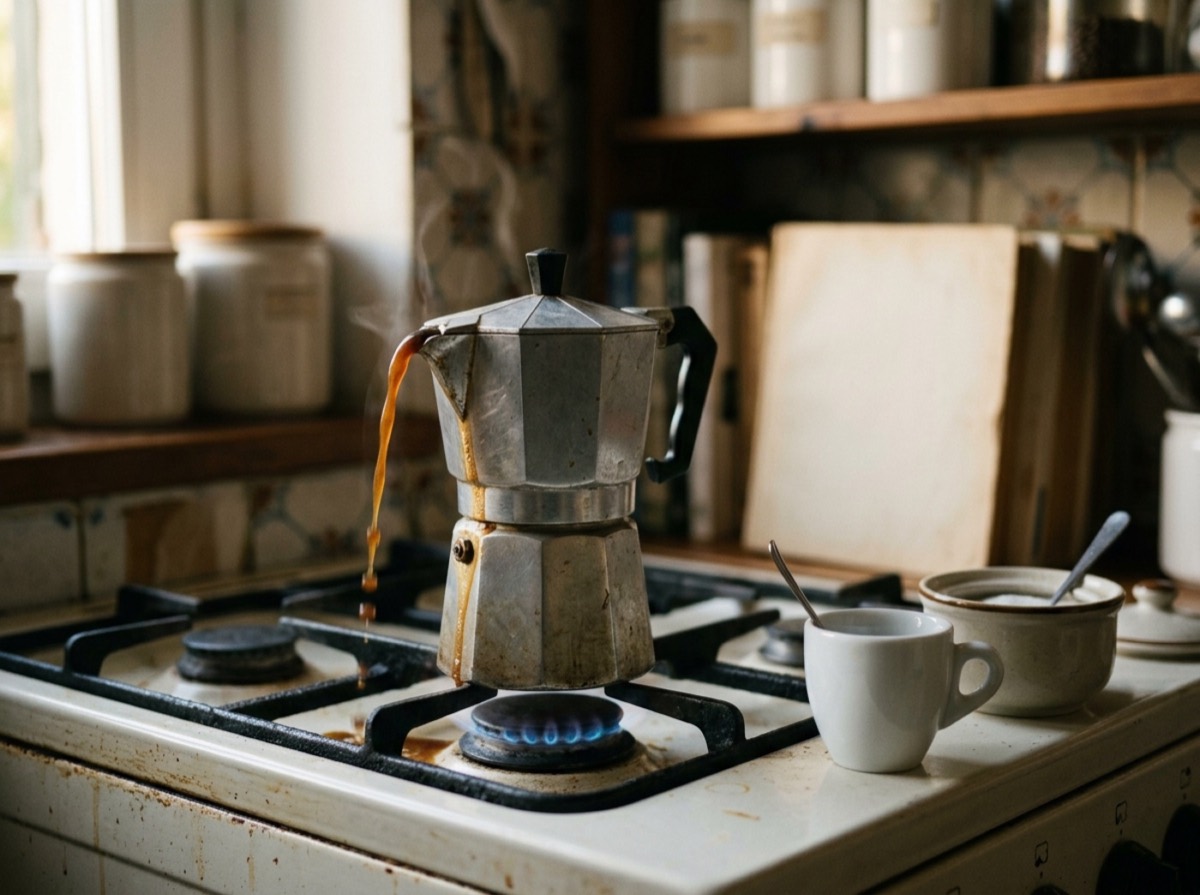 AI generated
 Stovetop coffee maker · Budget
Bialetti Moka Express
The Bialetti Moka Express is a cheap, durable and charming way to brew strong coffee at home, provided you accept that it is not true espresso and needs a little technique.
What we like
- +Very affordable and built to last for years
- +Brews strong, rich coffee with no electricity or pods
- +Iconic octagonal design, made in Italy
- +Available in many sizes, from 1 to 18 cups
- +Easy to use on gas and electric hobs, and while camping
What could be better
- −Aluminium body is not induction-compatible without an adapter plate
- −Not dishwasher safe; hand rinsing only
- −Can taste bitter or metallic if overheated or poorly cleaned
- −Makes espresso-style coffee, not true espresso with crema
Best for: Strong, simple coffee without buying a machine
Visit Bialetti →Few kitchen objects are as recognisable as the Bialetti Moka Express. Alfonso Bialetti designed the eight-sided aluminium pot in 1933, and it went on to become a fixture in Italian homes and a design classic. Nearly a century later, Bialetti still sells it in a range of sizes, and it remains one of the cheapest ways to make strong coffee at home.
This review draws on Bialetti's product information, independent coffee reviews and long-term owner experience to answer the practical questions: how good the coffee is, which size to buy, whether it works on induction and how it compares with an espresso machine.
Design and build quality
The Moka Express has three parts: a bottom chamber for water, a funnel-shaped filter basket for ground coffee and an upper collecting chamber. The body is cast aluminium, which heats quickly and evenly, and the handle and knob are heat-resistant thermoplastic. The famous little gentleman with the moustache sits on the side.
Bialetti highlights a patented safety valve that is easy to inspect and clean. The rubber gasket and filter plate are the parts that wear out over time, and replacements are cheap and easy to find, which is a big reason many pots last for decades.
How it brews and what the coffee tastes like
As the water in the bottom heats, steam pressure pushes it up through the coffee and into the top chamber. The pressure is far lower than an espresso machine, so the result is a concentrated, full-bodied coffee rather than true espresso with thick crema.
Many people love that bold, roasty character on its own or topped up with hot milk. The common complaint of bitterness usually comes from overheating: coffee experts and Bialetti's own guidance point to medium heat and removing the pot as soon as the coffee starts to gurgle.
- Fill the base with water up to just below the valve
- Fill the basket with medium-fine ground coffee and level it without tamping
- Screw the pot together firmly and heat on medium
- Remove from the heat as soon as the coffee flow turns pale and sputters
Which size should you buy?
Moka pot cups are small, espresso-sized servings rather than mugs, so a 3-cup pot makes enough for roughly one large drink or two small ones. The 3-cup and 6-cup models are the most popular for households. It is best to brew a full basket each time, since underfilling tends to produce weak or uneven coffee; if your needs vary, owning two sizes is common.
Does the Bialetti Moka Express work on induction?
Not directly. Aluminium is not magnetic, so the classic Moka Express needs an induction adapter plate, which Bialetti sells. If you cook on induction every day, a stainless steel model such as the Bialetti Venus or the Moka Induction is more convenient.
Cleaning and care
Bialetti recommends rinsing with water only and warns that the dishwasher can damage the pot and affect the taste. Detergents can strip the coffee patina and dull the aluminium. Dry the parts before reassembling, and replace the gasket when it hardens or leaks. With this simple care, the pot should last for many years.
Which coffee works best in a moka pot?
Medium and dark roasts are the traditional choice, since they suit the bold, concentrated style of moka coffee. Lighter roasts can work but may taste sharp. The grind should be finer than filter coffee but a little coarser than espresso; many Italian supermarkets sell ground coffee labelled specifically for moka pots. Starting with pre-heated water in the base is a popular tip, because it shortens the time the grounds sit on the heat and reduces the risk of a burnt taste.
If you like milk drinks, the Moka Express pairs well with a simple handheld or stovetop milk frother for homemade cappuccino-style drinks. It is not a replacement for a steam wand, but it is an affordable way to get close.
Moka pot vs espresso machine: who is it for?
The Moka Express is ideal for people who want strong coffee cheaply, have limited counter space, or want something that works on a camping stove. It is also a lovely gift for coffee lovers. If you want true espresso, textured milk for latte art, or push-button convenience, an espresso machine such as the De'Longhi Stilosa or Gaggia Classic E24 is the better route, at a much higher price.
Because it is so affordable, it also makes a sensible backup brewer for people who already own an espresso machine.
Key specs
- Material
- Aluminium body, thermoplastic handle and knob
- Sizes
- 1, 2, 3, 4, 6, 9, 12 and 18 cup (availability varies by market)
- Heat sources
- Gas, electric, ceramic; induction only with adapter plate
- Safety
- Patented inspectable safety valve
- Cleaning
- Rinse with water only; not dishwasher safe
- Origin
- Designed 1933 by Alfonso Bialetti; made in Italy
Alternatives to consider
- Bialetti Brikka: A pressure-valve moka pot designed to produce more crema-like foam.
- Bialetti Venus: Stainless steel stovetop pot that works on induction without an adapter.
- AeroPress Clear: A versatile manual brewer for cleaner, lower-bitterness coffee.
Frequently asked questions
Is coffee from a Bialetti Moka Express real espresso?
+
Not technically. A moka pot brews at much lower pressure than an espresso machine, so it makes a strong, concentrated coffee without true espresso crema. Many people still enjoy it as an espresso-style drink.
Can you put a Bialetti Moka Express in the dishwasher?
+
No. Bialetti advises rinsing with water only, since the dishwasher can damage the aluminium and affect the coffee's taste.
Why does my moka pot coffee taste bitter?
+
The most common causes are heat that is too high, leaving the pot on the stove too long, or grinding too fine. Use medium heat and remove the pot as soon as it starts to sputter.
How many cups does a 6-cup Bialetti make?
+
It makes six small espresso-sized servings, which is roughly two to three standard mugs when topped up with water or milk.
How long does a Bialetti Moka Express last?
+
With proper care and occasional gasket and filter replacements, many owners use the same pot for decades. The aluminium body itself is very durable.
Should I tamp the coffee in a moka pot?
+
No. Fill the basket and level it gently. Tamping can block the flow and increase pressure, leading to over-extraction.
Is the Bialetti Moka Express safe to use?
+
Yes, when used as directed. It has a safety valve that releases excess pressure; Bialetti advises filling water only to below the valve, not tamping the coffee and keeping the valve clean. Always use the handle, as the metal body gets very hot.
The Bialetti Moka Express has survived for more than 90 years because it works: it is simple, cheap and produces bold coffee with no electricity or pods. It is not an espresso machine, and it needs gentle heat and hand washing, but for everyday strong coffee and a slice of Italian design history, it is still an easy recommendation in 2026.
How we research: Reviews are based on the maker’s specifications, published independent tests and owner reports. Scores compare the product with others in its class.
Written by
Bitezine Editorial Team
Rankings, reviews & guides
Our editors research every piece from makers’ documentation, independent tests and owner reports, and update it when products change.