Ranked · Culture
Best poetry collections of all time
The ten best poetry collections to read, from Shakespeare's Sonnets and Leaves of Grass to Ariel and the Duino Elegies, with poet, year and where to begin.
 Bitezine Editorial TeamRankings, reviews & guides 9 min read
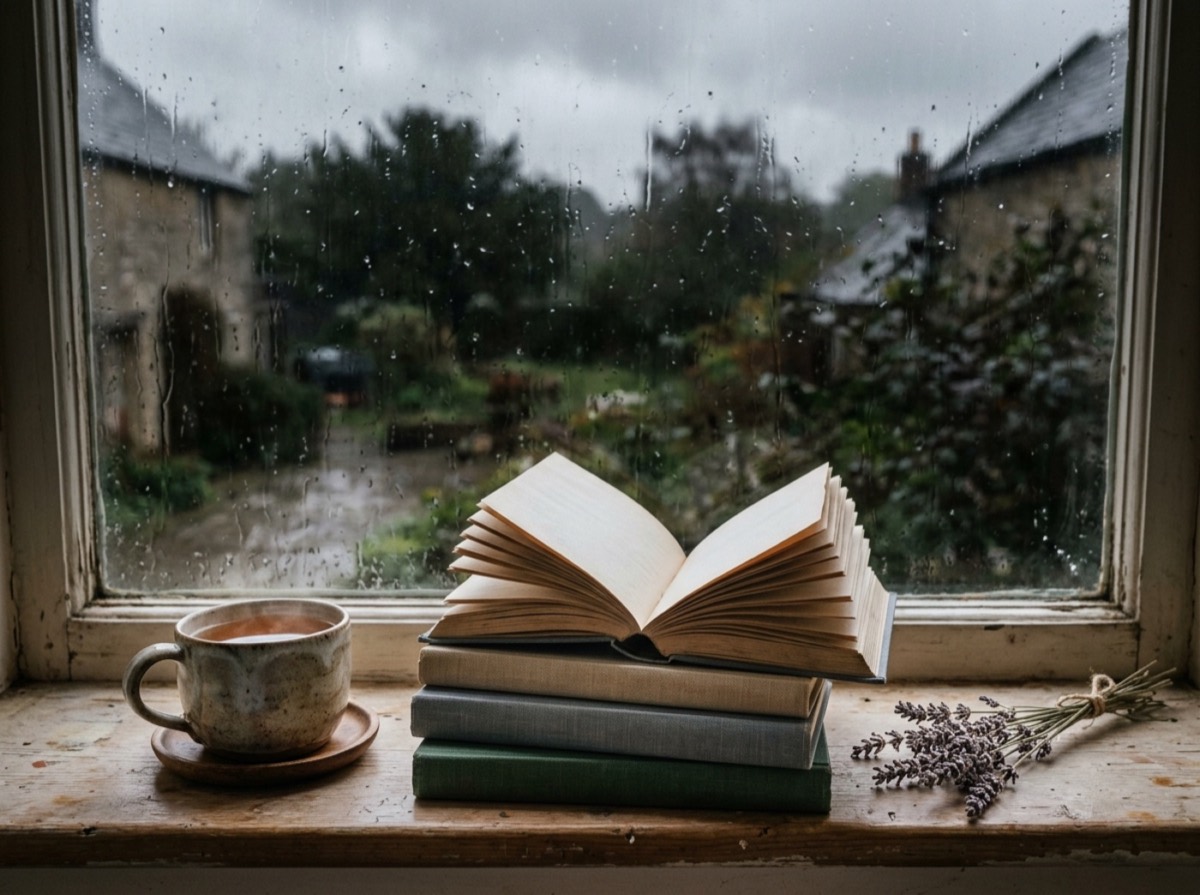 AI generated
The best poetry collections reward a lifetime of rereading: a single poem can be read in a minute and still reveal something new years later. The ten below are classic poetry books from English, American, French, German and Spanish-language traditions, chosen because critics, teachers and readers keep returning to them.
We compared anthologies, university reading lists and literary rankings of the best poetry books of all time, and favoured collections that shaped the poets who came after. We also looked for variety, from sonnets and ballads to free verse, love poems and elegies, and noted the language of each book so you can decide whether to read it in the original or in translation.
At a glance
#1 · Best for Love poetry readers
Shakespeare's Sonnets
The foundation of English love poetry
Shakespeare's 154 sonnets, first printed in 1609, explore love, beauty, time and jealousy, many addressed to a young man and a mysterious "dark lady". Lines from Sonnet 18 and Sonnet 116 are among the most quoted in English. Each poem is short, which makes the collection easy to dip into.
- 154 sonnets
- Sonnet 18 and Sonnet 116
- Themes of love and time
- Short, quotable poems
- Poet
- William Shakespeare
- First published
- 1609
- Language
- English
#2 · Best for Readers who like big, open poems
Leaves of Grass
America's great poetic voice
Walt Whitman published Leaves of Grass himself in 1855 and kept revising and expanding it for the rest of his life. Its long, free-verse lines celebrate the body, democracy and ordinary people, most famously in "Song of Myself". It changed what poetry in English could sound like.
- "Song of Myself"
- Pioneering free verse
- Revised over decades
- Celebration of everyday life
- Poet
- Walt Whitman
- First published
- 1855
- Language
- English
#3 · Best for Beginners
The Complete Poems of Emily Dickinson
Short poems with enormous depth
Emily Dickinson wrote nearly 1,800 poems, mostly unpublished in her lifetime, using dashes, slant rhyme and compressed images. Poems such as "Because I could not stop for Death" and "Hope is the thing with feathers" pack large ideas into a few lines. A complete edition shows the full range of her work.
- Nearly 1,800 short poems
- Distinctive dashes and slant rhyme
- Themes of death, nature and faith
- Easy to read in small doses
- Poet
- Emily Dickinson
- Written
- Mainly 1850s–1880s
- Language
- English
#4 · Best for Readers drawn to dark romanticism
Les Fleurs du mal
The birth of modern poetry
Charles Baudelaire's collection moves between beauty and decay, city life and spleen, in carefully crafted verse. Its first edition led to a trial for offending public morals and six poems were banned. It strongly influenced the Symbolists and modern poetry across Europe.
- Poems of Paris and melancholy
- Banned poems and famous trial
- Influenced the Symbolists
- Best read in a bilingual edition
- Poet
- Charles Baudelaire
- First published
- 1857
- Language
- French
#5 · Best for Reflective readers
Duino Elegies
Rilke's profound meditations
Rainer Maria Rilke's ten elegies ask what it means to be human, facing love, loss and death, and open with the famous question of who would hear him among the angels. He began them in 1912 and finished them in a burst of creativity in 1922. They are demanding but deeply rewarding.
- Ten long elegies
- Themes of mortality and meaning
- Masterpiece of German poetry
- Many English translations
- Poet
- Rainer Maria Rilke
- First published
- 1923
- Language
- German
#6 · Best for Readers of confessional poetry
Ariel
Plath's fierce final poems
Published after Sylvia Plath's death in 1963, Ariel contains "Daddy", "Lady Lazarus" and "Tulips", written with intense energy and control. The poems are raw, precise and often darkly witty. A later restored edition presents the order Plath herself intended.
- "Daddy" and "Lady Lazarus"
- Published after her death
- Restored edition available
- Intense, vivid imagery
- Poet
- Sylvia Plath
- First published
- 1965
- Language
- English
#7 · Best for Romantic readers
Twenty Love Poems and a Song of Despair
Young, passionate and sensual
Pablo Neruda was still a young man when he published this collection, which became one of the best-selling poetry books in Spanish. The poems link desire and loss to the sea, forests and the Chilean landscape. Neruda later won the Nobel Prize in Literature.
- Classic Spanish-language love poems
- Nature and desire intertwined
- Short, memorable poems
- Widely available bilingual editions
- Poet
- Pablo Neruda
- First published
- 1924
- Language
- Spanish
#8 · Best for Readers who like art and poetry
Songs of Innocence and of Experience
Simple forms, deep contrasts
William Blake paired childlike poems of innocence with darker counterparts of experience, such as "The Lamb" and "The Tyger". He printed and hand-coloured the books himself using his own relief-etching method. The poems are musical and short but raise hard questions about religion and society.
- "The Tyger" and "The Lamb"
- Paired contrasting poems
- Illustrated by Blake
- Short and musical
- Poet
- William Blake
- First published
- 1789 and 1794
- Language
- English
#9 · Best for Music lovers
The Weary Blues
Jazz and blues on the page
Langston Hughes's first collection brought the rhythms of jazz and the blues into poetry and became a landmark of the Harlem Renaissance. It includes "The Negro Speaks of Rivers" and the title poem about a blues musician. The language is direct and musical.
- Blues and jazz rhythms
- "The Negro Speaks of Rivers"
- Harlem Renaissance landmark
- Accessible, musical language
- Poet
- Langston Hughes
- First published
- 1926
- Language
- English
#10 · Best for German learners and song fans
Buch der Lieder
The songbook of German Romanticism
Heinrich Heine's Book of Songs mixes romantic longing with irony, and many of its poems became famous art songs set by Schubert and Schumann. It includes the poem about the Lorelei on the Rhine. The simple, song-like verse makes it a good entry point to German poetry.
- Includes the Lorelei poem
- Set to music by Schumann and Schubert
- Romantic and ironic
- Accessible German verse
- Poet
- Heinrich Heine
- First published
- 1827
- Language
- German
How to choose
If you are looking for poetry books for beginners, start with shorter poems that reward reading aloud. Emily Dickinson's poems, Songs of Innocence and of Experience and Langston Hughes's The Weary Blues are compact and musical. Shakespeare's Sonnets and Neruda's Twenty Love Poems are the obvious choice if you want the best love poems collection.
For translated work, such as Rilke's Duino Elegies, Baudelaire's Les Fleurs du mal or Neruda, choose a bilingual edition with the original on the facing page, even if you do not speak the language, because it lets you compare versions. Read slowly, a few poems at a time, and do not worry about understanding everything on first reading. Readers who know German can enjoy Heine and Rilke, two pillars of German poetry, in the original.
Frequently asked questions
What is the best poetry book for beginners?
+
A selection of Emily Dickinson's poems or Langston Hughes's The Weary Blues are good places to begin, because the poems are short, musical and direct. Modern collections such as Mary Oliver's work and Rupi Kaur's Milk and Honey are also popular first poetry books.
What is the most famous poetry collection?
+
Shakespeare's Sonnets and Walt Whitman's Leaves of Grass are among the most famous poetry collections in English. Baudelaire's Les Fleurs du mal holds a similar place in French literature.
How many poems did Emily Dickinson write?
+
Emily Dickinson wrote nearly 1,800 poems, but only a handful were published in her lifetime. Most appeared after her death, and complete scholarly editions followed in the 20th century.
What are the Duino Elegies about?
+
Rilke's ten Duino Elegies explore love, death, beauty and what it means to be human in a world we cannot fully grasp. He began them in 1912 at Duino Castle near Trieste and completed them in 1922.
Why was Les Fleurs du mal banned?
+
When it was published in 1857, Baudelaire and his publisher were prosecuted for offending public morals, and six poems were ordered removed. The ban on those poems was only officially lifted in 1949.
What is the best German poetry collection?
+
Heinrich Heine's Buch der Lieder and Rilke's Duino Elegies are two of the most celebrated. Goethe's poems and Paul Celan's work are also essential reading in German poetry.
How should I read a poetry collection?
+
Read a few poems at a time, slowly and ideally aloud. Reread favourites, notice rhythm and images, and use notes or an introduction for older or translated work.
Leaves of Grass and Shakespeare's Sonnets are the cornerstones, while Ariel and the Duino Elegies show how far poetry can push feeling and form. Keep one of these books by your bed, read a poem or two at a time, and you will soon find the poets that speak to you.
How we research: We compare each product on the same criteria, using makers’ documentation, independent reviews and owner feedback, and re-check the list when products change.
Written by
Bitezine Editorial Team
Rankings, reviews & guides
Our editors research every piece from makers’ documentation, independent tests and owner reports, and update it when products change.