Ranked · Food & Drink
Best Italian pasta brands in 2026
The best Italian dried pasta brands, from bronze-cut Pasta di Gragnano IGP to reliable supermarket names, and how to spot good pasta on the shelf.
 Bitezine Editorial TeamRankings, reviews & guides 9 min read
 AI generated
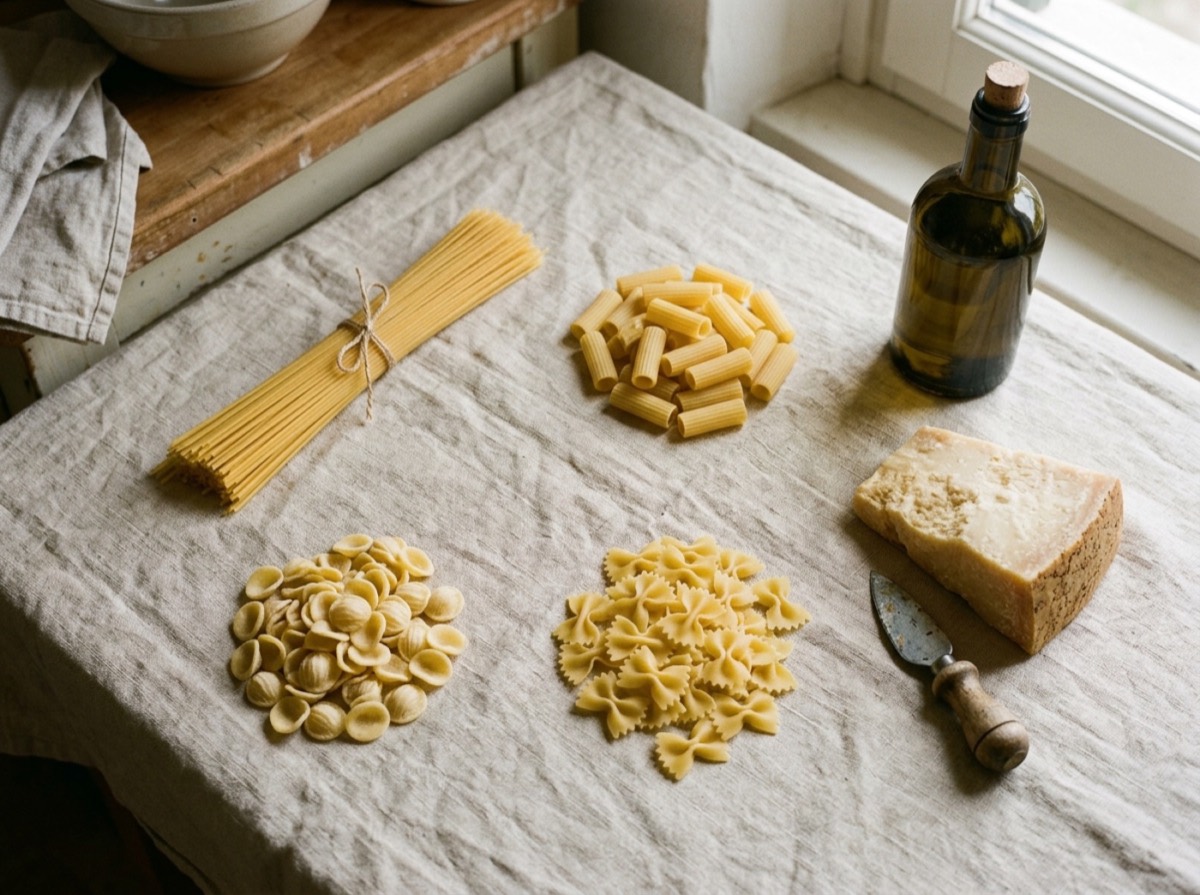
The best Italian pasta brands make a noticeable difference to a simple dish: good dried pasta has a rough, matte surface that holds sauce, a firm bite and a clean wheat flavour. The differences come from the durum wheat, the die the dough is pushed through and how slowly it is dried. This list covers artisanal pasta makers from Gragnano, Abruzzo and Puglia as well as the big names you can find in almost any supermarket.
To choose the ten, we looked at which brands appear most often in pasta taste tests and Italian food guides, and checked each producer's own information on wheat, dies and drying. We ranked them on texture after cooking, flavour, how well they hold sauce and how easy they are to buy in Europe and the US. We kept a balance between premium bronze-cut pasta and dependable everyday brands.
At a glance

#1 · Best for Everyday cooking
Rummo
Best everyday Italian pasta
Rummo is based in Benevento in Campania and builds its pasta around a slow processing method it calls Lenta Lavorazione. The bronze-cut pasta keeps a firm bite and holds sauce well, which is why it often wins supermarket pasta taste tests. The range includes organic, whole wheat, gluten-free and legume pasta.
- Lenta Lavorazione slow processing
- Bronze-cut surface
- Organic, whole wheat and gluten-free lines
- Recyclable paper packaging
- Based in
- Benevento, Campania
- Type
- Bronze die, industrial scale
- Price range
- Mid-range
#2 · Best for Special pasta dinners
Pastificio Faella
Top-tier Gragnano artisanal pasta
Faella was founded by Gaetano Faella in 1870 and has worked from Piazza Marconi in Gragnano since 1907. It uses Italian durum wheat, water from the Lattari Mountains, bronze dies and drying at a maximum of 48°C for up to 60 hours. Its paccheri have won recognition from Gambero Rosso.
- Pasta di Gragnano IGP
- 100% Italian durum wheat
- Slow drying up to 60 hours
- Senatore Cappelli options
- Based in
- Gragnano, Campania
- Founded
- 1870
- Price range
- Premium
#3 · Best for Wide shape selection
De Cecco
Reliable bronze-cut classic
De Cecco was founded in 1886 in Fara San Martino in Abruzzo, where the family first ran a stone mill. It is one of the largest pasta producers in the world, and its bronze-cut pasta is available in a very wide range of shapes. It is a dependable choice that you can find almost anywhere.
- Bronze-drawn pasta
- Very wide range of shapes
- Also sells olive oil and sauces
- Available worldwide
- Based in
- Fara San Martino, Abruzzo
- Founded
- 1886
- Price range
- Mid-range

#4 · Best for IGP pasta in supermarkets
Garofalo
Gragnano quality at supermarket scale
Garofalo is based on Via dei Pastai in Gragnano and has roots going back to 1789. It makes Pasta di Gragnano IGP and is widely sold across Europe and the Americas. Its numbered shapes, including unusual formats like calamarata and mixed pasta, make it easy to find a good match for any sauce.
- Pasta di Gragnano IGP
- Numbered range of shapes
- Organic and specialty lines
- Sold internationally
- Based in
- Gragnano, Campania
- Founded
- 1789
- Price range
- Mid-range
#5 · Best for Trying artisanal pasta
Rustichella d'Abruzzo
Artisanal pasta with ancient grains
Rustichella d'Abruzzo has made pasta in Pianella, near Pescara, since 1924 and reached its centenary in 2024. It is one of the most widely exported artisanal pasta brands and puts a strong focus on heritage and ancient grain varieties, including its Primograno line. It is a good first step into artisanal pasta.
- Ancient and heritage grain pasta
- Primograno line
- Two production sites in Abruzzo
- Widely exported
- Based in
- Pianella, Abruzzo
- Founded
- 1924
- Price range
- Premium

#6 · Best for Wheat flavour purists
Benedetto Cavalieri
Delicate, slow-made Puglian pasta
Benedetto Cavalieri has made pasta in Maglie, Puglia, since 1918. Its Metodo Delicato combines long mixing, slow kneading, bronze extrusion and low-temperature drying to protect the flavour of the wheat. The range covers around 40 durum wheat formats plus organic whole grain pasta, including the playful Ruote Pazze.
- Metodo Delicato slow production
- Bronze extrusion
- About 40 formats
- Organic whole grain range
- Based in
- Maglie, Puglia
- Founded
- 1918
- Price range
- Premium

#7 · Best for Traditional Neapolitan dishes
Pastificio Afeltra
Historic Gragnano pasta maker
Afeltra has made Pasta di Gragnano IGP since 1848. Its pasta is bronze-cut for a rough, porous surface and slowly dried in static cells at low temperatures for two to three days. The range includes 100% Italian wheat pasta, organic and whole wheat versions and a special Cavaliere Olimpio Afeltra line.
- Pasta di Gragnano IGP
- Bronze-cut surface
- Dried for 2–3 days
- Organic and whole wheat options
- Based in
- Gragnano, Campania
- Founded
- 1848
- Price range
- Premium
#8 · Best for Rich ragù and seafood pasta
Pasta Setaro
Slow-dried pasta from Torre Annunziata
Setaro has made pasta in Torre Annunziata near Naples since 1939 and is run by the third generation of the family. It uses Italian wheat, bronze dies and the slow Cirillo drying method, developed in the town in 1919 to imitate a gentle summer breeze. The result is a firm, rough pasta that suits hearty southern Italian sauces.
- 100% Italian wheat
- Bronze die extrusion
- Cirillo slow drying method
- Long, short and specialty shapes
- Based in
- Torre Annunziata, Campania
- Founded
- 1939
- Price range
- Premium
#9 · Best for Good value everyday pasta
La Molisana
Strong mid-priced all-rounder
La Molisana was founded in 1912 in Campobasso, in the Molise region, and is one of Italy's largest pasta producers. It exports to around 50 countries and is known for a large, creative range of shapes. It is a good-value pasta that performs well in everyday dishes.
- Large range of shapes
- Exported to about 50 countries
- Also makes flour and sauces
- Good value
- Based in
- Campobasso, Molise
- Founded
- 1912
- Price range
- Budget to mid-range

#10 · Best for Availability and consistency
Barilla
Most widely available Italian pasta
Barilla was founded as a bakery in Parma in 1877 and is now the world's largest pasta producer, with pasta in more than 160 shapes and sizes. Its classic pasta is smoother than bronze-cut brands but very consistent. It also offers useful specialist ranges such as gluten-free pasta.
- 160+ shapes and sizes
- Gluten-free range
- Sold almost everywhere
- Consistent cooking times
- Based in
- Parma, Emilia-Romagna
- Founded
- 1877
- Price range
- Budget
How to choose
Look at the surface first. Bronze die pasta (trafilata al bronzo) is pushed through bronze moulds that leave a rough, slightly dusty finish, which helps sauce cling. Pasta made with smooth Teflon dies looks shiny and yellow and tends to be slippery. Next, check the drying: slow dried pasta, dried at low temperatures for a day or more, keeps more flavour and a better bite. Producers such as Faella, Afeltra, Setaro and Benedetto Cavalieri state their drying times openly.
Origin labels help too. Pasta di Gragnano IGP must be made in the town of Gragnano near Naples under strict rules, and many top artisanal pasta brands come from there. For everyday cooking, the best supermarket pasta brands such as Rummo, De Cecco and Garofalo are bronze-cut and consistent, and cost far less than small-batch pasta. Save artisanal pasta for simple dishes like cacio e pepe or carbonara, where the pasta itself is the star, and always cook to al dente.
Frequently asked questions
What is the best Italian pasta brand?
+
Among widely available brands, Rummo, De Cecco and Garofalo regularly come out on top in taste tests for texture and flavour. For artisanal pasta, Faella, Afeltra, Setaro, Benedetto Cavalieri and Rustichella d'Abruzzo are highly regarded.
What does bronze die pasta mean?
+
Bronze die pasta is extruded through bronze moulds, which give it a rough, porous surface. That texture helps sauce stick to the pasta and releases a little starch into the cooking water, which helps sauces come together.
What is Pasta di Gragnano IGP?
+
It is a protected geographical indication for pasta made in Gragnano, a town near Naples with a long pasta-making history. The label, granted at EU level in 2013, requires local production with durum wheat semolina and local water under set rules. Faella, Afeltra and Garofalo all make Pasta di Gragnano IGP.
Is Barilla good pasta?
+
Barilla is the world's largest pasta maker and its pasta is consistent and widely available. Its classic range is smoother than bronze-cut brands, so it holds sauce less well, but it is a reliable everyday choice and the company offers a wide range, including gluten-free pasta.
Rummo vs De Cecco: which is better?
+
Both are excellent supermarket pastas made with bronze dies. Rummo is known for its slow processing method, which it says helps the pasta stay firm even if slightly overcooked. De Cecco, from Abruzzo, has a very wide range of shapes and is easy to find worldwide.
Why is artisanal pasta more expensive?
+
Artisanal pasta is usually made in small batches with selected wheat, bronze dies and slow drying at low temperatures that can take one to three days. Industrial pasta is dried much faster at high temperatures, which lowers cost but can reduce flavour and bite.
What pasta brand do Italians buy?
+
Italians buy a mix of national brands such as Barilla, De Cecco, Rummo, Garofalo and La Molisana, along with regional and artisanal producers. Barilla holds the largest share of the Italian market.
For everyday meals, Rummo, De Cecco and Garofalo are the best Italian pasta brands to keep in the cupboard. For special dinners, try Faella, Afeltra or Setaro from the Gragnano area, or Benedetto Cavalieri and Rustichella d'Abruzzo for slow-dried pasta with real character. Cook it in well-salted water, save some cooking water for the sauce, and even a quick weeknight pasta will taste better.
How we research: We compare each product on the same criteria, using makers’ documentation, independent reviews and owner feedback, and re-check the list when products change.
Written by
Bitezine Editorial Team
Rankings, reviews & guides
Our editors research every piece from makers’ documentation, independent tests and owner reports, and update it when products change.