Living
Moving house checklist: what to do and when
A moving house checklist organised by timeline, from eight weeks out to the first week in your new home, so nothing important slips through.
 Bitezine Editorial TeamRankings, reviews & guides 6 min read
 AI generated
A moving house checklist is the simplest way to keep a stressful week under control. Moving involves dozens of small tasks, from booking help to redirecting post, and most problems come from something remembered too late rather than from anything difficult.
This guide breaks the job into stages. Start as early as you can, ideally around eight weeks before the move, and work through each block in order. If your timeline is shorter, compress the stages but keep the sequence.
8 weeks before: plan the move
The early weeks are about decisions that are hard to change later: dates, budget and who does the heavy lifting.
If you rent, check your notice period and what the lease says about the condition you must leave the flat in. Many contracts require painting, repairs or a formal handover, and knowing this early avoids disputes over the deposit.
- Fix your moving date and check it against both the old and new lease or sale dates.
- Set a budget covering removals, packing materials, cleaning, time off work and overlap rent.
- Get at least three quotes from removal companies, or decide to move yourself and book a van.
- Give notice to your landlord if you rent, in writing and within the required period.
- Start a moving folder for contracts, quotes, receipts and meter readings.
- Measure large furniture and the doorways, stairs and lift of the new home.
6 weeks before: declutter and gather supplies
Every item you move costs time and money, so this is the moment to be ruthless. Go room by room and sort things into keep, sell, donate and throw away. Clothes you have not worn in a year, duplicate kitchen tools and old paperwork are easy places to start.
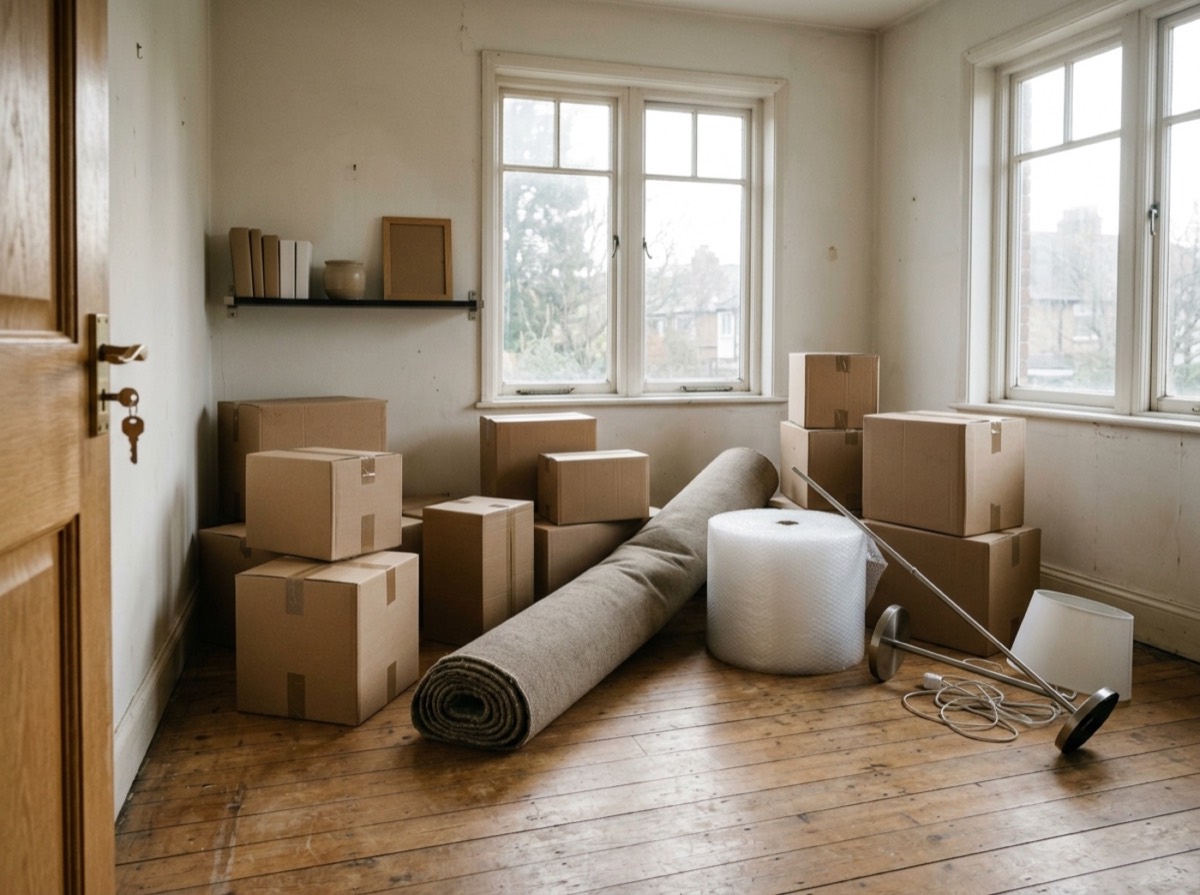
Collect boxes in a few sizes, strong packing tape, marker pens, bubble wrap or old newspaper, and bin bags. Small boxes are best for books and heavy items; large boxes are for light, bulky things such as bedding. If you have children at school, let the school know about the move and ask about records.
Most moving problems come from something remembered too late, not from anything difficult.
4 weeks before: who to notify when moving house
Changing your address is one of the most forgotten parts of a move. Make a list and work through it steadily. Setting up a mail redirection service with your postal provider catches anything you miss.
In some countries, registering your new address is a legal requirement with a deadline. In Germany, for example, you must register with the local registration office within two weeks of moving in, and you will usually need a confirmation from your landlord. Check the rules where you live.
- Employer and payroll
- Bank, credit card providers and insurers
- Tax office and any government benefits offices
- Doctor, dentist and pharmacy
- Electricity, gas, water, internet and phone providers
- Vehicle registration and driving licence authority, where required
- Schools, nurseries and clubs
- Subscriptions, online shops and delivery services
- Friends and family
2 weeks before: pack room by room
Begin with the rooms and items you use least: spare rooms, loft, books, seasonal clothes, decorations. Leave everyday items until the final days.
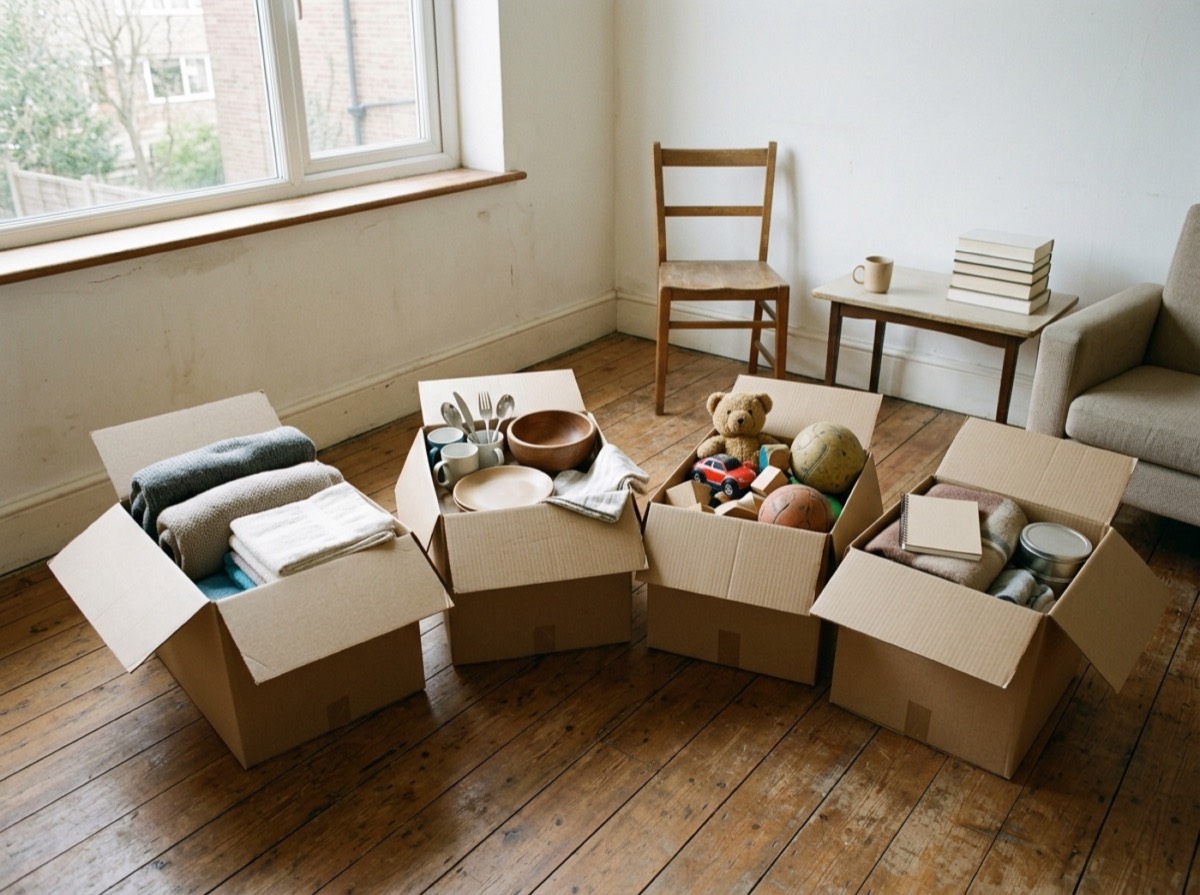
Label every box on the side, not just the top, with the destination room and a short description. Numbering boxes and keeping a simple list in your moving folder makes it easy to notice if something goes missing. Keep boxes under a weight you can lift comfortably, and fill gaps with towels or clothes so contents do not shift.
Take photos of the back of your television and other electronics before unplugging them. It saves time when reconnecting cables later. Put screws and small fittings from dismantled furniture in labelled bags and tape them to the furniture itself.
1 week before: confirm and prepare
This week is about confirmation and loose ends. A quick call now prevents most moving-day surprises.
- Confirm the time and address with the removal company or van hire.
- Arrange parking for the moving vehicle at both addresses if needed.
- Book childcare or pet care for moving day.
- Use up food in the freezer and plan simple meals.
- Defrost the freezer at least a day before if it is coming with you.
- Pack an essentials box for the first night.
- Arrange cleaning of the old home, or set aside time to do it yourself.
What to put in your moving essentials box
The essentials box, sometimes called a first-night box, travels with you rather than in the van. It holds everything you need for the first evening and morning, so you are not opening twenty boxes to find a toothbrush.
Include toiletries, medication, phone chargers, a change of clothes, bedding for each bed, a towel per person, toilet paper, a kettle, mugs, snacks, basic cutlery, a few tools, a torch, cleaning cloths, bin bags and important documents. For children, add a favourite toy and a familiar blanket.
Moving day checklist
Start early and keep your phone charged. Walk through the empty home at the end, checking every cupboard, the loft, the garden shed and behind doors.
Before leaving, take meter readings and photos of each meter, lock windows, hand over or return keys as agreed and photograph the condition of each room if you rent. At the new home, take meter readings again before you use anything, check that the heating and water work, and make up the beds first. Everything else can wait until tomorrow.
After the move: the first week
Unpack the kitchen and bathroom first, then bedrooms, then everything else. Locate the fuse box and the main water stop tap so you can act fast if something goes wrong. Test smoke alarms and change the locks if you are not sure who else has keys.
Finish any official registrations, check that post is arriving and flatten boxes for recycling or pass them on. If you rent, follow up on the return of your deposit from the old flat.
Frequently asked questions
How far in advance should I start planning a move?
+
Around eight weeks is a comfortable lead time for a household move. That leaves room to compare removal quotes, give notice and declutter without rushing. Smaller moves can be done in less time if you keep the same order of tasks.
What should I pack first when moving house?
+
Pack the things you use least first: books, seasonal clothing, decorations and items in storage. Everyday items such as kitchen basics and toiletries should go last, or into your essentials box.
Who do I need to notify when I move house?
+
Your employer, bank, insurers, tax office, doctor, utility providers, schools and any subscriptions or delivery services. Some countries also require you to register your new address with a local authority within a set time. A post redirection service helps catch anything you forget.
How do I label moving boxes?
+
Write the destination room and a short list of contents on at least one side of each box, not only the top. Numbering the boxes and keeping a matching list helps you check that everything arrived.
What should I do on moving day?
+
Start early, supervise loading, and do a final walk-through of the old home. Take and photograph meter readings at both addresses, hand over keys and make up the beds in the new home before anything else.
How can I make moving with kids easier?
+
Talk about the move early, let children pack a box of their own things and keep familiar items in the essentials box. Arranging childcare on the day itself keeps them safe and lets you focus on the move.
Moving never becomes effortless, but a clear moving house checklist turns it into a sequence of manageable jobs. Plan early, cut down what you own, tell the right people about your new address and keep one box of essentials within reach. The first night will feel like home much sooner.
How we research: Guides are written from established sources and checked for accuracy. They are general information, not professional advice.
Written by
Bitezine Editorial Team
Rankings, reviews & guides
Our editors research every piece from makers’ documentation, independent tests and owner reports, and update it when products change.