Living
Morning routine ideas that actually fit a real life
Simple morning routine ideas for busy people, parents and night owls: what to do first, how long it should take and how to make the habit stick.
 Bitezine Editorial TeamRankings, reviews & guides 6 min read
 AI generated
Good morning routine ideas are less about waking at 5 a.m. and more about removing friction from the first hour of your day. A routine is simply a short, repeatable sequence that gets you from bed to ready without a string of small decisions draining your energy before work or school even starts.
The best routine is the one you can keep on a bad night's sleep, with a child asking for breakfast and a train to catch. Below you will find ideas you can mix and match, how to put them in order, and how to make the whole thing hold up on the days that do not go to plan.
Why a morning routine helps
Mornings are full of small choices: what to wear, what to eat, whether to check messages, where the keys went. Each one is minor, but together they create stress and eat time. A routine turns those choices into defaults, so your attention is free for the things that matter.
A predictable start also supports your body clock. Getting up at a similar time each day, and getting daylight soon after, helps your internal rhythm stay steady. That tends to make falling asleep at night easier, which in turn makes the next morning easier. The effect builds on itself.
Morning routine ideas to choose from
You do not need all of these. Pick three to five that match your goals and your available time, then add more only once the first few feel automatic.
- Drink a glass of water before coffee. You have gone several hours without fluid.
- Open the curtains or step outside for a few minutes of daylight.
- Make the bed. It takes under two minutes and makes the room feel finished.
- Move your body: a short walk, ten minutes of stretching or a few bodyweight exercises.
- Eat a breakfast with some protein, such as eggs, yoghurt or a savoury toast.
- Write down the three things that must happen today.
- Take a few slow breaths or sit quietly for five minutes before looking at a screen.
- Read a few pages of a book instead of scrolling news.
- Do one small household task, such as emptying the dishwasher or starting a load of laundry.
- Check the weather and the day's calendar so there are no surprises later.
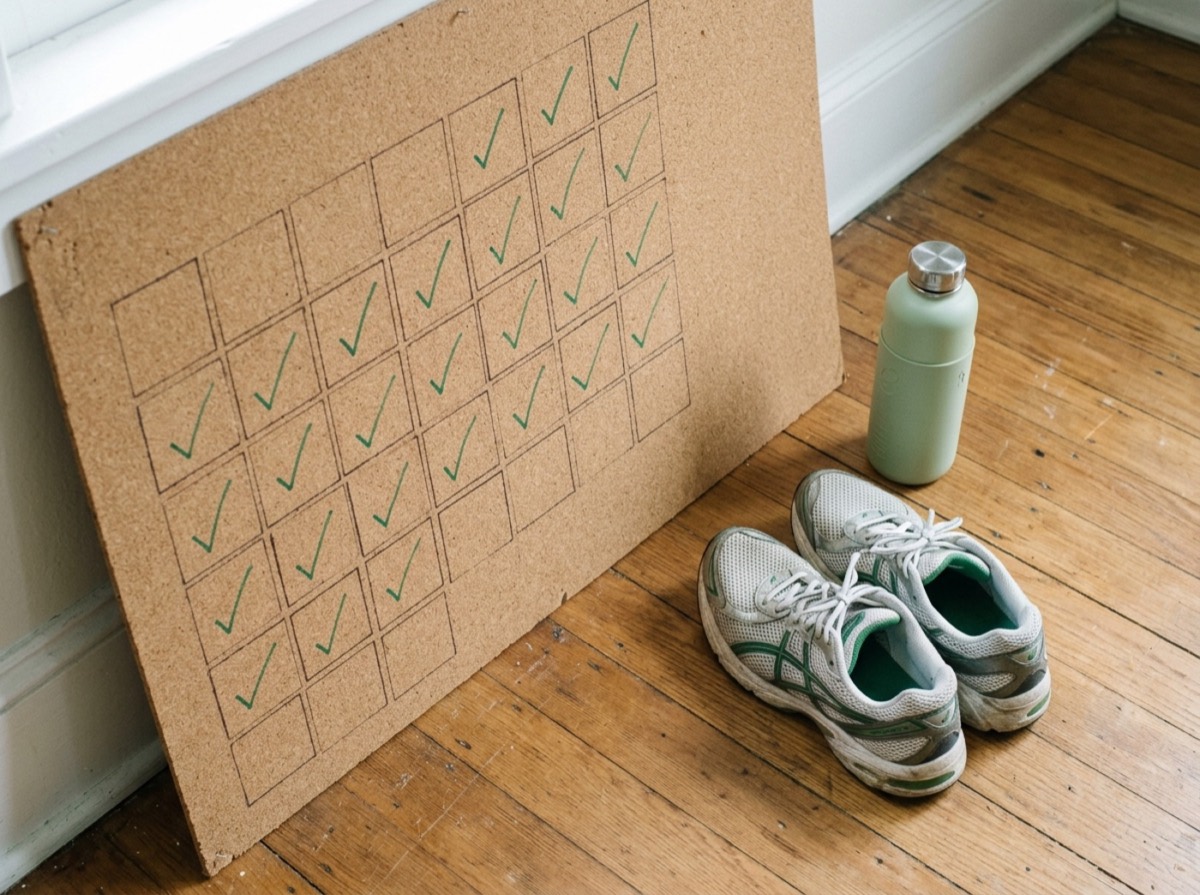
Consistency on hard days is what keeps a routine alive.
How to build a morning routine step by step
Start by working backwards from the time you need to leave the house or start work. Subtract the time for the essentials: washing, dressing, breakfast and getting out the door. Whatever is left is your real budget for extras. For many people that is fifteen minutes, not ninety.
Next, anchor each new habit to something you already do. Stretch while the kettle boils. Write your three priorities while you drink your coffee. Linking a new action to an existing one gives it a reliable trigger, which matters far more than motivation.
Keep the order the same every day. Sequence is what turns separate tasks into a routine. After a couple of weeks you will move from one step to the next without thinking about it.
Finally, write the routine down and keep it somewhere visible for the first month. A short checklist on the fridge or bathroom mirror is enough.
A 5-minute morning routine for busy days
Some mornings leave no room at all. For those, have a stripped-down version ready so the habit does not break completely. Consistency on hard days is what keeps a routine alive.
A five-minute version could look like this: drink a glass of water, open the curtains, take ten slow breaths, and write one priority for the day on a sticky note. It is small, but it keeps the chain going and still gives you a calmer start.
Morning routine ideas for parents and families
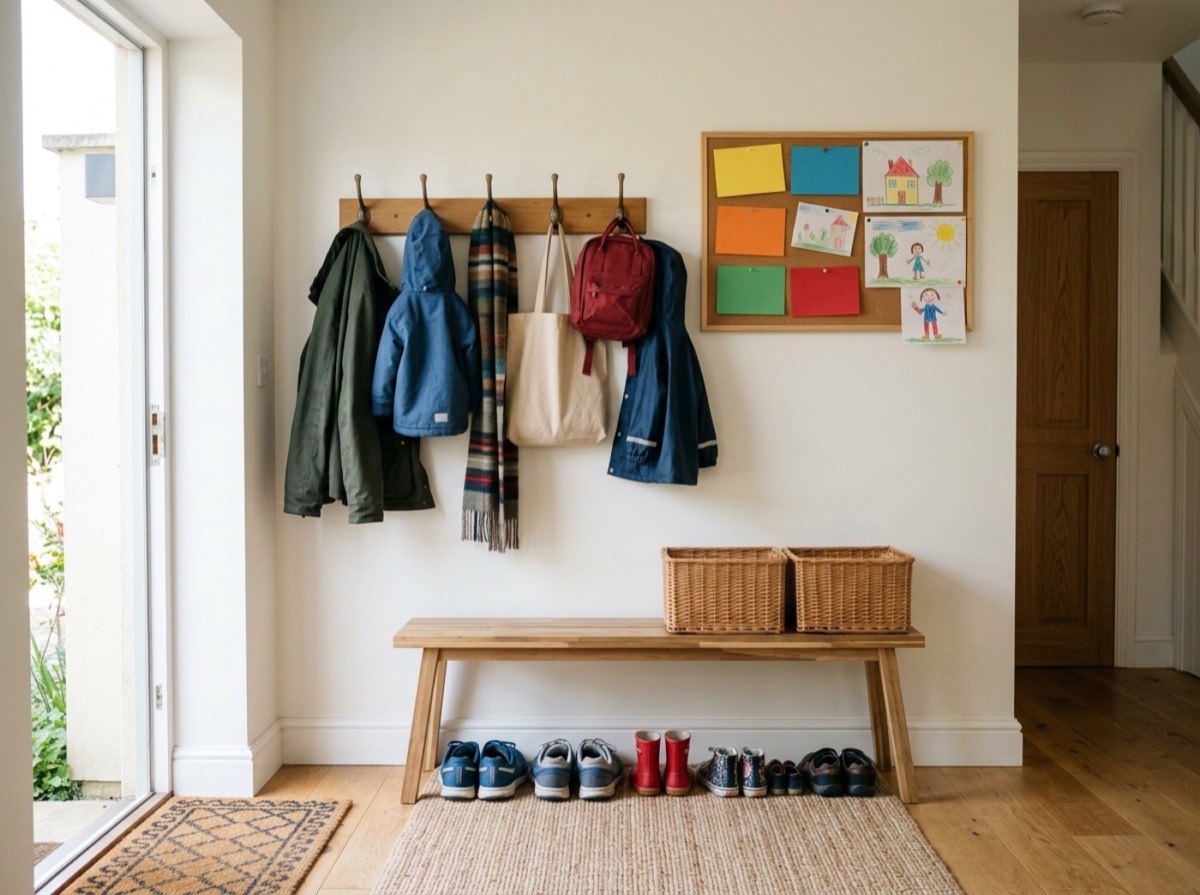
With children in the house, the morning belongs to everyone, so the routine has to work for everyone. The biggest time savers happen the night before: lunch boxes packed, school bags by the door, clothes laid out and breakfast items set on the table.
Many parents find it helps to get up fifteen to twenty minutes before the children. That short window is often the only quiet part of the day and is enough for coffee, a shower and a look at the calendar.
Children also do better with a visible sequence. A simple picture chart showing get dressed, eat breakfast, brush teeth, shoes on, gives younger kids a sense of control and cuts down on repeated reminders.
Tips for night owls and people who hate mornings
Not everyone is built for early starts, and forcing a dramatic change usually fails. If you want to wake earlier, shift your alarm by about fifteen minutes every few days rather than an hour at once, and move your bedtime by the same amount.
Put the alarm across the room so you have to stand up to switch it off. Get bright light as soon as you can, since daylight is one of the strongest signals for your body to wake up. And keep the first steps of your routine physical and easy, such as water and curtains, rather than anything that needs willpower.
Common morning routine mistakes to avoid
A routine can fall apart for predictable reasons. Watching for these makes it far more likely to last.
- Copying someone else's two-hour routine instead of designing one for your schedule.
- Adding too many habits in the first week.
- Reaching for the phone first thing and losing twenty minutes to messages and feeds.
- Cutting sleep to make time for the routine. Most adults need at least seven hours.
- Giving up after one missed day instead of simply restarting the next morning.
Frequently asked questions
What is a good morning routine?
+
A good morning routine is a short, fixed sequence of habits that gets you ready for the day without rushing. It usually covers basics such as water, daylight, movement, breakfast and a quick plan for the day. The best one fits the time you actually have.
How long should a morning routine take?
+
Anywhere from five minutes to an hour, depending on your schedule. Most people do well with fifteen to thirty minutes on top of washing and dressing. It is better to keep a short routine every day than to follow a long one only occasionally.
What should I do first thing in the morning?
+
Drink a glass of water and get some daylight, either by opening the curtains or stepping outside. Both are easy and help you feel awake. Try to leave your phone alone for the first few minutes.
How do I stick to a morning routine?
+
Start with only a few habits and link each one to something you already do, such as making coffee. Keep the order the same and prepare what you can the evening before. If you miss a day, restart the next morning without trying to make up for it.
Is it better to wake up early?
+
Waking early is not better in itself. What matters is getting enough sleep and keeping a consistent wake-up time. If you want to shift earlier, move your alarm in small steps of about fifteen minutes.
Should I check my phone in the morning?
+
It is usually better to wait until you have finished the first steps of your routine. Messages and news can pull your attention away and make you feel rushed. Setting the phone to charge outside the bedroom makes this easier.
The right morning routine ideas are the ones that survive a real week. Start small, prepare the night before, keep a five-minute backup for chaotic days and adjust as your life changes. A calm first hour does not require an early alarm or a long list, just a few steps you repeat until they run on their own.
How we research: Guides are written from established sources and checked for accuracy. They are general information, not professional advice.
Written by
Bitezine Editorial Team
Rankings, reviews & guides
Our editors research every piece from makers’ documentation, independent tests and owner reports, and update it when products change.