Living
Minimalism for beginners: how to start living with less
Minimalism for beginners: what minimalist living really means, how to start decluttering, how to buy less, and how to make it work with a family.
 Bitezine Editorial TeamRankings, reviews & guides 6 min read
 AI generated
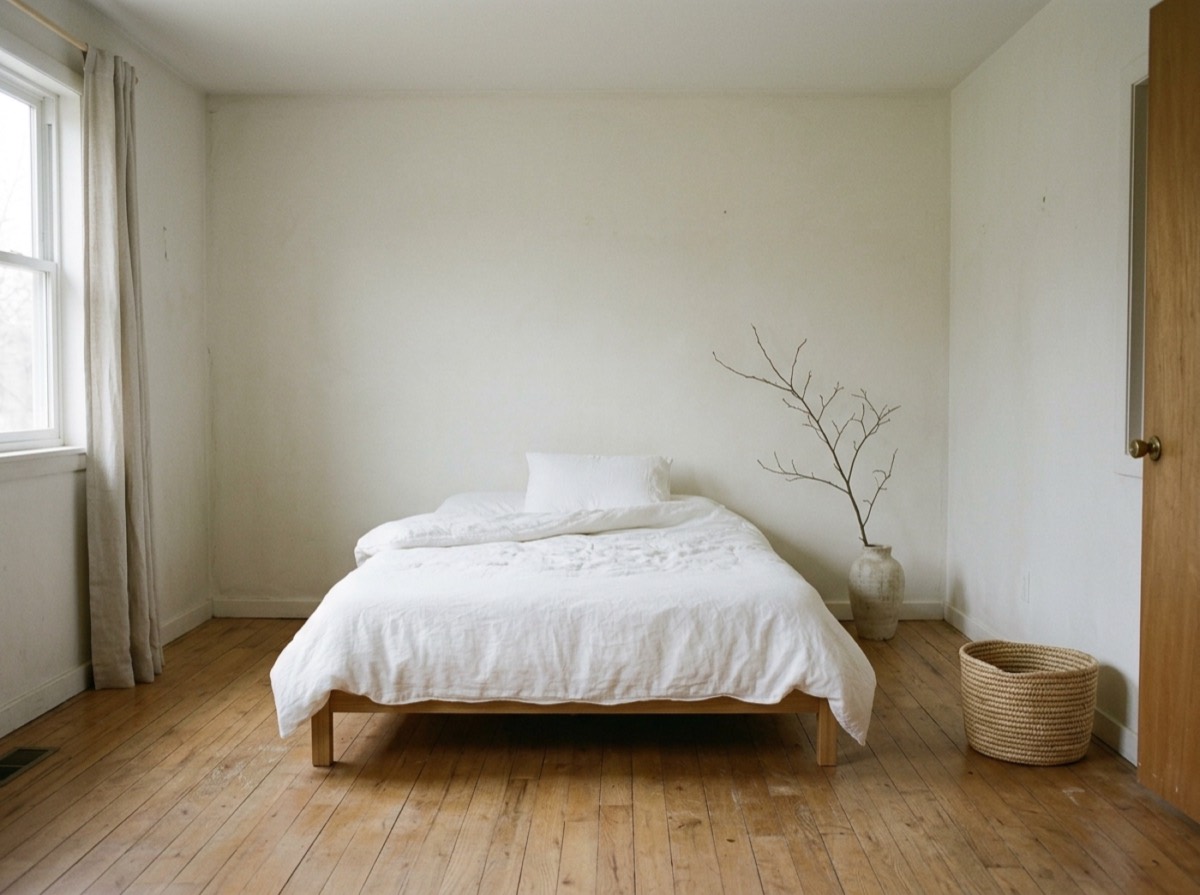
Minimalism for beginners starts with a simple idea: keep what adds value to your life and let go of the rest. It is not about white walls, empty rooms or owning exactly 100 things. It is about spending less time, money and attention on stuff so you have more of all three for what matters to you.
This guide explains what a minimalist lifestyle really is, how to take the first steps without feeling overwhelmed, and how to keep clutter from creeping back.
What is minimalism, really?
Minimalism as a lifestyle is a modern take on a very old idea. Philosophers and religious traditions have praised simple living for thousands of years, and Henry David Thoreau famously urged readers of Walden, published in 1854, to simplify their lives. Today the word usually describes a deliberate choice to own fewer possessions and to be more intentional about what comes into your home.
There is no official rulebook. Some minimalists fit their belongings into a backpack, while others live in a family home that is simply free of excess. The common thread is intention: everything you keep has a use or a meaning, and you know why it is there.
The benefits of minimalism
People come to minimalism for different reasons, but the practical benefits tend to be similar. Fewer things means less to clean, store, repair and organise, so daily routines get quicker. A calmer space can make it easier to relax and focus.
There is also a financial side. When you buy less and think harder about each purchase, spending usually drops and savings can grow. Buying fewer, longer-lasting items also reduces waste.
- Less time spent cleaning and tidying
- Easier decisions, from outfits to meals
- Lower spending and fewer impulse purchases
- More space in a small home
- Less waste and a smaller environmental footprint
Minimalism is not about how little you own but about knowing why you own what you keep.
How to become a minimalist: first steps
Start by asking why you want to live with less. A clear reason, such as saving for a goal, moving to a smaller place or simply feeling less stressed at home, will keep you going when decluttering gets hard.
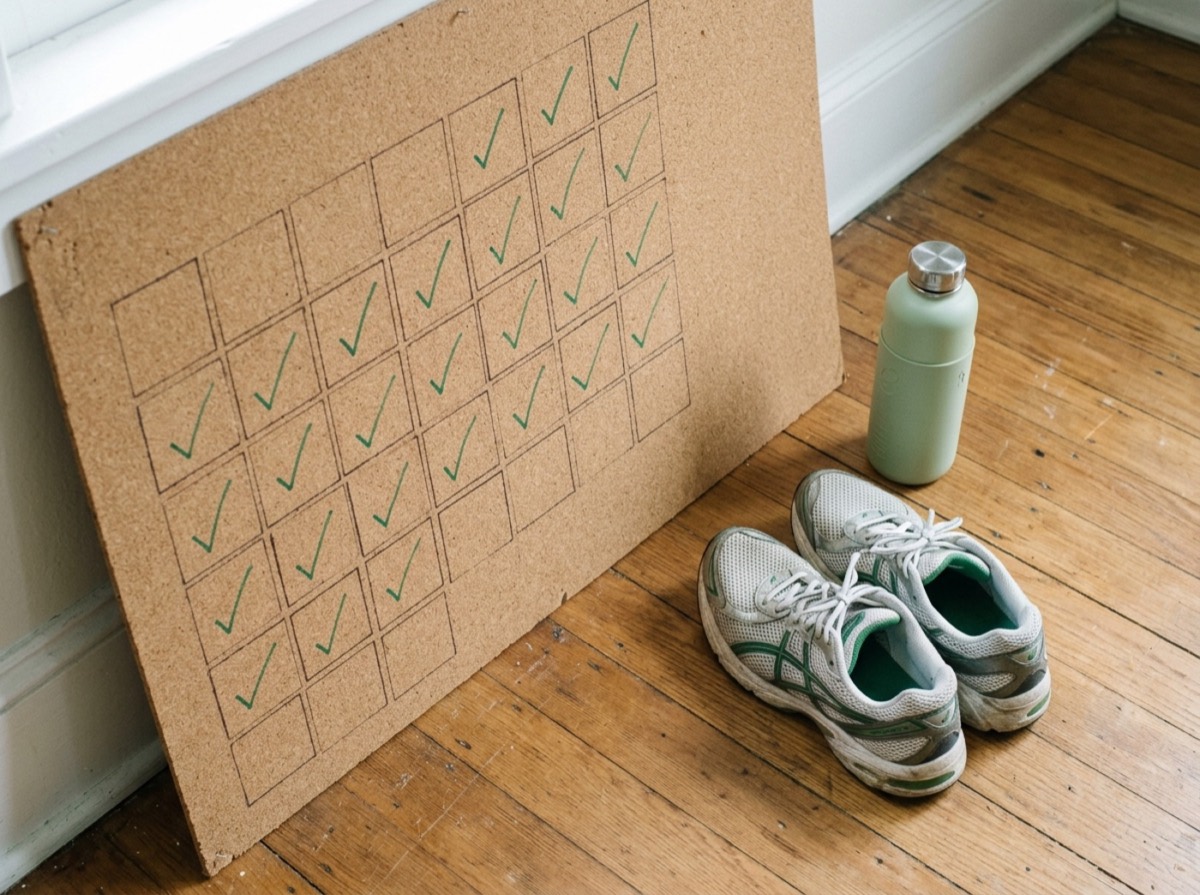
Then begin small. A single drawer, a bathroom cabinet or your bag are good first projects because you can finish them in under an hour and see the result immediately. Early wins build the confidence to tackle bigger areas such as the wardrobe or the garage.
- Write down your reason for trying minimalism
- Pick one small, low-emotion area to start
- Take everything out and keep only what you use or love
- Remove what you are letting go of from the house the same week
- Move on to the next area once the first one stays tidy
Decluttering methods that suit beginners
Different approaches work for different people. Some prefer to go category by category, gathering all clothes or all books in one place before deciding, which is the core of the method popularised by tidying consultant Marie Kondo. Seeing the full pile makes it obvious how much you own.
Others prefer a slower pace. Removing one item a day, or filling one box a week, adds up over months without taking over your weekends. Another useful test is the one-year rule: if you have not used something through a full cycle of seasons and it has no real sentimental value, you probably will not miss it.
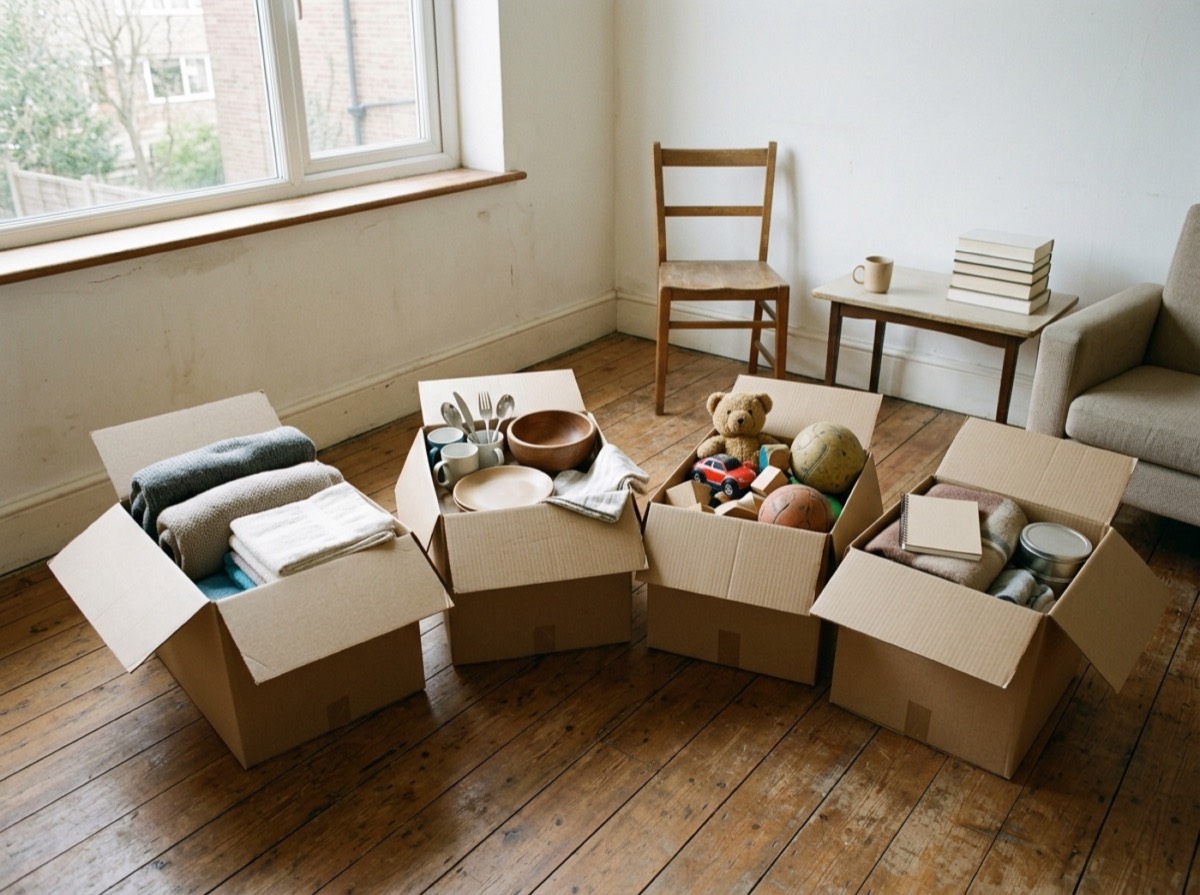
Sort items into clear groups: keep, donate or sell, recycle and bin. Put a date on the donate box and take it out of the house quickly; bags left in the hallway have a way of being unpacked again.
Build a simple, minimalist wardrobe
Clothes are one of the easiest places to see the benefits of minimalism. Most people wear a small part of their wardrobe most of the time. A capsule wardrobe keeps a limited number of versatile pieces in colours that combine easily, so getting dressed takes less thought.
To try it, pack away everything you have not worn for a season, live with what is left for a few months and notice what you actually miss. Anything you never reach for can be donated or sold.
How to stop buying things you don't need
Decluttering is only half of minimalism. Without changing how things come in, the space fills up again. The goal is not to never shop, but to shop on purpose.
Borrowing, renting and buying second hand are good options for items you need only occasionally, such as tools, party supplies or baby gear.
- Wait 48 hours, or longer for bigger purchases, before buying anything non-essential
- Unsubscribe from marketing emails and unfollow accounts that make you want to shop
- Keep a running wish list and review it monthly; many items lose their appeal
- Follow a one in, one out rule for clothes, books and kitchen items
- Ask where an item will live before you bring it home
Minimalism with kids and a partner
Living with others means you cannot declutter their things for them. Start with your own belongings and shared spaces you agree on, and let the results speak for themselves. Forcing minimalism on a partner or children usually backfires.
With kids, fewer toys often lead to longer, more focused play. Rotating toys, keeping some boxed away and swapping them every few weeks, keeps things fresh without buying more. Involve children in choosing what to donate, and suggest experiences, such as outings or classes, as gift ideas for relatives.
Beyond stuff: digital minimalism and your schedule
The same principles apply to your time and attention. Clear out old files and photos, turn off notifications you do not need and unsubscribe from newsletters you never read. A tidy digital space is just as calming as a tidy shelf.
Look at your calendar, too. Saying no to commitments that do not match your priorities leaves room for rest, people and projects you care about. Minimalism works best when it becomes a habit of asking what is worth keeping, whether it is a jacket, a subscription or a standing appointment.
Frequently asked questions
How do I start minimalism as a beginner?
+
Decide why you want to live with less, then start with one small area such as a drawer or your bathroom cabinet. Keep only what you use or love, remove the rest from your home quickly, and change your buying habits so clutter does not return.
What are the rules of minimalism?
+
There are no fixed rules. Common guidelines include keeping only items that are useful or meaningful, following a one in, one out approach, waiting before non-essential purchases and choosing quality over quantity. Adapt them to your life.
Is minimalism good for mental health?
+
Many people report feeling calmer and less stressed in a less cluttered home, and fewer possessions mean less time spent cleaning and organising. Minimalism is not a treatment for mental health conditions, though, and it should never become another source of pressure.
How many items does a minimalist own?
+
There is no set number. Challenges such as owning 100 things exist, but most minimalists focus on intention rather than a count. A family home can be minimalist while still holding far more than a single person's flat.
Can you be a minimalist with kids?
+
Yes. Focus on your own belongings and shared spaces first, rotate toys instead of buying more, involve children in decisions and encourage experience gifts. The aim is a manageable home, not an empty one.
Does minimalism save money?
+
It usually does, because you buy less, think harder before purchases and choose items that last. Selling things you no longer need can also bring in some cash, although the biggest savings come from changed shopping habits.
Minimalism for beginners is not a test you pass or fail. It is a gradual shift toward owning fewer, better things and being more deliberate about what you let into your home and your days. Start with one drawer, notice how it feels, and let that feeling guide the next step. Over time, a simpler home tends to lead to a simpler, calmer routine.
How we research: Guides are written from established sources and checked for accuracy. They are general information, not professional advice.
Written by
Bitezine Editorial Team
Rankings, reviews & guides
Our editors research every piece from makers’ documentation, independent tests and owner reports, and update it when products change.