Living
How to start running: a beginner's guide that actually sticks
How to start running from zero: the run-walk method, a simple first plan, what to wear, how fast to go and how to avoid the aches that make beginners quit.
 Bitezine Editorial TeamRankings, reviews & guides 6 min read
 AI generated
If you want to know how to start running, the short answer is this: run less than you think you should, walk often, and keep going for a few months. Most beginners who quit do so because they start too fast, feel awful, and decide running is not for them. It usually is. They just skipped the build-up.
This guide covers a realistic first plan, what you need to wear, how fast to go, how to breathe and how to keep small aches from turning into injuries. It works whether you are completely new to exercise or returning after years away.
Start with the run-walk method
The most reliable way to start running is to alternate short running intervals with walking breaks. Your heart and lungs adapt to exercise within weeks, but tendons, bones and joints take longer. Walking breaks let you build fitness without overloading the parts of your body that adapt slowly.
Popular beginner programmes such as the NHS Couch to 5K follow exactly this pattern. The first week starts with one-minute runs separated by walks of around a minute and a half, three times a week. Over nine weeks the running blocks grow until you can run for 30 minutes without stopping. You can repeat any week as often as you like; there is no prize for finishing on schedule.
Walking during a run is not cheating. Many experienced marathon runners use planned walk breaks on purpose because they help them finish stronger.
A simple beginner running plan
Aim for three sessions a week with a rest day or a gentle walk in between. Each session should take 20 to 30 minutes, including a five-minute brisk walk to warm up and a few minutes of easy walking to cool down. Here is a rough progression you can adapt:
- Weeks 1–2: run 1 minute, walk 90 seconds, repeated 8 times.
- Weeks 3–4: run 2–3 minutes, walk 90 seconds to 2 minutes, repeated 5–6 times.
- Weeks 5–6: run 5 minutes, walk 2 minutes, repeated 3–4 times.
- Weeks 7–8: run 10–15 minutes, walk 2 minutes, run 10–15 minutes.
- After that: work towards 20 to 30 minutes of continuous easy running.
Walking during a run is not cheating; it is how most beginners build the base that lets them keep going.
How fast should a beginner run?
Slower than you think. A good beginner pace is one where you can speak in full sentences, sometimes called conversational pace. If you are gasping and can only manage a word or two, slow down, even if that feels barely faster than walking.
Speed comes later and mostly as a side effect of consistency. Running easy most of the time builds the aerobic base that makes faster running possible, and it makes each session pleasant enough that you want to do the next one.
How to breathe when running
Breathe through both your nose and mouth. Beginners often try to breathe only through the nose and end up short of air. Relax your shoulders, let your belly expand as you inhale, and settle into a steady rhythm.
A side stitch is common in the first weeks. Slow to a walk, breathe out fully, and press gently on the painful spot. Avoid large meals in the two hours before a run, since a full stomach makes stitches more likely for many people.
What you need to start running
Running needs very little equipment, but good shoes matter. Choose running-specific shoes that feel comfortable straight away, with a thumb's width of space in front of your longest toe. A specialist running shop can let you try several pairs and may watch you jog. Comfort is a better guide than any marketing claim.
Beyond shoes, wear clothes that do not rub. Technical fabrics dry faster than cotton and reduce chafing. Women should use a supportive sports bra. If you run early or late, add something reflective or a small light, pick well-lit routes, and keep headphone volume low enough to hear traffic.
- Running shoes that fit well
- Moisture-wicking top and shorts or leggings
- Supportive sports bra
- Reflective layer or light for dark mornings and evenings
- A water bottle for warm days or longer sessions
How to avoid common beginner running injuries
Shin splints, sore knees and tight calves are the usual complaints of new runners, and they are mostly caused by doing too much too soon. Increase your running time gradually, keep most runs easy and never add extra sessions to make up for missed ones.
Take short, quick steps rather than long, reaching strides, and aim to land with your foot roughly under your body. Two short strength sessions a week, with moves like squats, lunges, calf raises and glute bridges, help your legs cope with the impact.
Mild muscle soreness a day or two after a run is normal. Sharp pain, pain that changes how you move, or pain that gets worse as you run is not. Stop, rest for a few days and see a doctor or physiotherapist if it does not settle.
How to stay motivated as a new runner
Schedule your runs like appointments, at times you can realistically keep. Many people find mornings easier because fewer things get in the way. Having a goal also helps: a local 5K event a few months away gives each session a purpose.
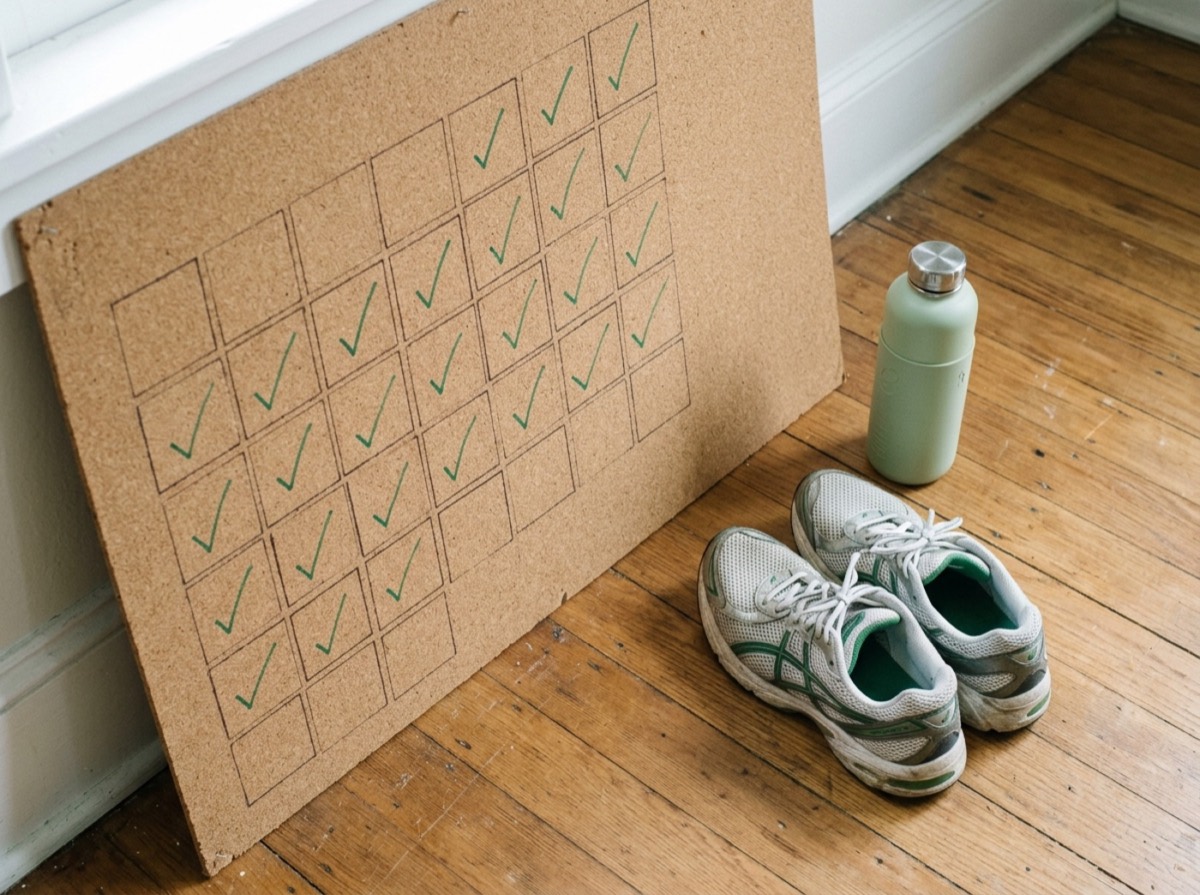
Running with a friend or joining a beginner group makes you more likely to show up. Free weekly timed 5K events in parks welcome walkers and first-timers, and the atmosphere is usually friendly. Finally, note your runs somewhere simple, even a paper diary. Seeing your progress written down is a strong reason to keep going.
Frequently asked questions
How do I start running if I am out of shape?
+
Begin with brisk walking for a week or two, then add very short running intervals of 30 to 60 seconds between longer walks. Keep the effort easy enough to talk. If you have a heart condition, joint problems or have been inactive for a long time, check with a doctor first.
How often should a beginner run?
+
Three times a week is a good starting point for most beginners. Leave a day between sessions so your muscles, tendons and joints can recover. You can walk, cycle or swim on rest days if you want to stay active.
How long does it take to run 5K without stopping?
+
Many beginners can run 5K or 30 minutes continuously after about eight to twelve weeks of consistent run-walk training. Some take longer, and that is fine. Repeating a week that felt hard is better than pushing on and getting hurt.
Is it OK to walk during a run?
+
Yes. Walk breaks are a proven training method, not a sign of failure. They reduce strain, help you run for longer overall, and are used by beginners and experienced runners alike.
Should I run every day as a beginner?
+
No. Your body needs recovery days to adapt, and running daily early on raises the risk of shin splints and other overuse injuries. Three or four sessions a week is plenty in the first few months.
Do I need special running shoes?
+
Proper running shoes are the one piece of kit worth buying. They are designed to cushion repeated impact and fit differently from casual trainers. Pick the pair that feels most comfortable rather than the most expensive one.
Learning how to start running is mostly about patience. Walk when you need to, keep the pace easy, run three times a week and let the weeks add up. After a couple of months, the runs that once felt impossible will feel routine, and you will be ready to set your next goal.
How we research: Guides are written from established sources and checked for accuracy. They are general information, not professional advice.
Written by
Bitezine Editorial Team
Rankings, reviews & guides
Our editors research every piece from makers’ documentation, independent tests and owner reports, and update it when products change.