Living
How to start a vegetable garden: a beginner's step-by-step guide
How to start a vegetable garden from scratch: choosing a sunny spot, preparing soil, raised beds or containers, easy crops for beginners, watering and harvesting.
 Bitezine Editorial TeamRankings, reviews & guides 6 min read
 AI generated
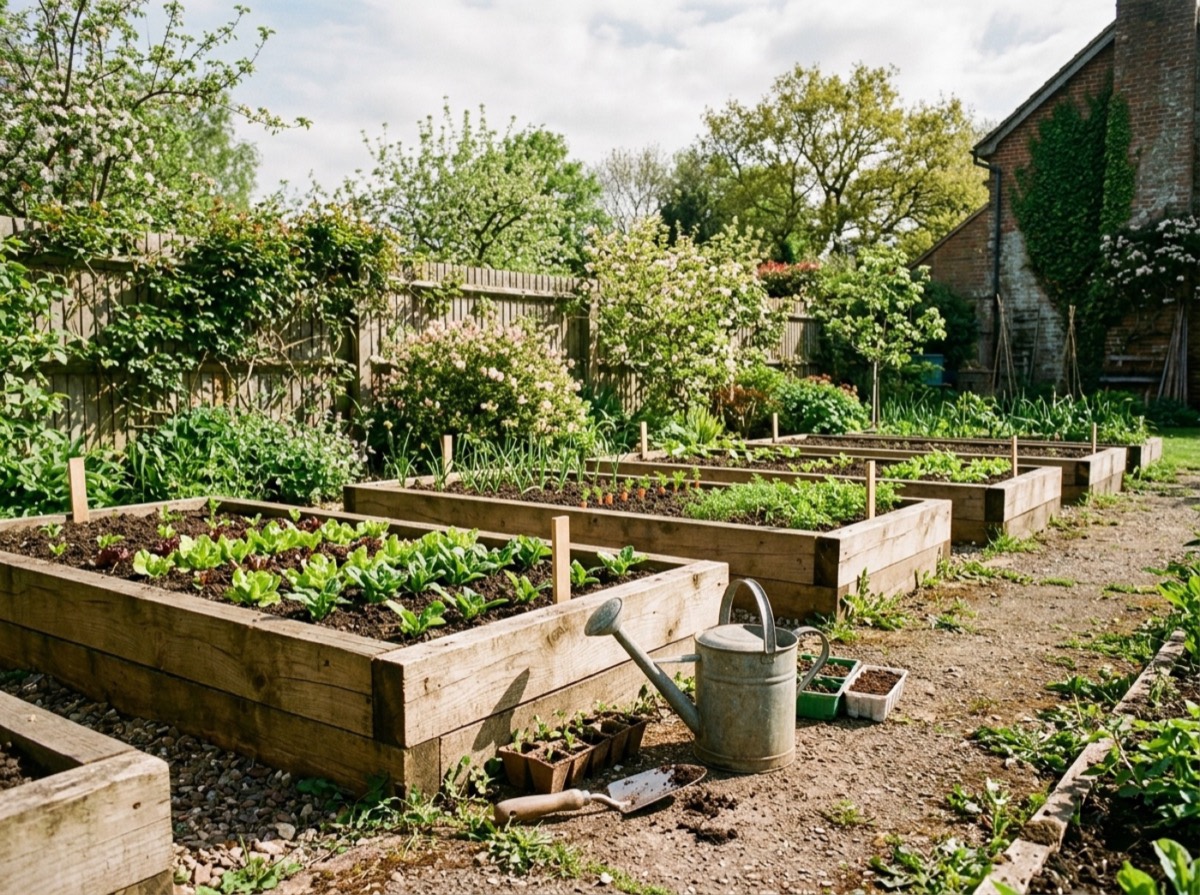
If you want to learn how to start a vegetable garden, begin smaller than you think. A single bed or a few large pots, planted with crops you actually like to eat, will teach you more in one season than an ambitious plot that becomes overgrown by midsummer.
This beginner's guide covers choosing a site, preparing soil, raised beds and containers, the easiest vegetables to grow, when to plant, watering, and dealing with pests, so your first harvest is a success.
Choose the right spot: how much sun do vegetables need?
Sunlight is the most important factor. Most vegetables, especially fruiting crops like tomatoes, peppers, courgettes and beans, grow best with at least six hours of direct sun a day. Leafy greens such as lettuce, spinach and chard tolerate some shade and can cope with around three to four hours.
Watch your garden or balcony through a day and note where the sun falls. Choose a spot that is sheltered from strong winds, drains well after rain and is close to a water supply. A garden near the house also gets more attention, which makes a real difference to how well it does.
Start small
A bed of roughly one by two or three metres is plenty for a first year. It is small enough to weed in a few minutes and large enough to grow a useful amount of food. Keep beds narrow enough to reach the middle from either side, around 1 to 1.2 metres wide, so you never need to step on and compact the soil.
Once you know how much time the garden takes and which crops you enjoy, you can expand the following year.
A small bed you can look after well will teach you more than a big plot that runs wild by midsummer.
How to prepare soil for a vegetable garden
Healthy soil grows healthy plants. Clear the area of grass and weeds, removing roots of persistent weeds by hand. Then spread a generous layer of well-rotted compost or manure, about five centimetres or more, over the surface. You can fork it in lightly or leave it on top for worms to incorporate.
Many gardeners now use a no-dig approach: they smother grass with cardboard, cover it with a thick layer of compost and plant straight into that. It suppresses weeds and protects soil structure. A simple soil test kit shows your pH; most vegetables prefer slightly acidic to neutral soil. Add compost every year to keep the soil fertile.
Raised beds and containers
Raised beds are a good choice when the ground is poor, heavy clay, stony or waterlogged. They warm up faster in spring, drain well and are easier on the back. Fill them with a mix of topsoil and compost. A depth of around 30 centimetres suits most crops.
No garden? Many vegetables grow well in containers on a balcony, patio or sunny windowsill. Use pots with drainage holes and good-quality multipurpose or peat-free compost. Bigger pots hold more water and dry out more slowly. Tomatoes, chillies, salad leaves, herbs, radishes and dwarf beans all do well in pots.
The easiest vegetables to grow for beginners
Choose reliable, productive crops for your first season, and favour the ones you eat most. Here are some good starters:
- Radishes: ready in about a month from sowing
- Lettuce and salad leaves: pick a few leaves at a time for weeks
- Courgettes: one or two plants feed a family
- Runner and French beans: easy to sow and heavy cropping
- Potatoes: grow well in the ground or in large bags
- Tomatoes: cherry varieties are the most forgiving
- Herbs such as parsley, chives and mint (keep mint in a pot, as it spreads)
- Chard and spinach: tolerate some shade and keep producing
When to plant vegetables: seeds or young plants?
Timing depends on your local climate. The key date is your area's average last spring frost. Hardy crops like peas, broad beans, spinach and onions can go in before it; tender crops like tomatoes, courgettes, beans and squash must wait until the frost risk has passed. Seed packets give sowing windows for each crop.
Seeds are cheap and give you more choice, and crops like radishes, carrots, beetroot and peas are best sown directly in the ground. Tomatoes, peppers and chillies need a long, warm start, so beginners often find it easier to buy young plants from a garden centre. Before planting out indoor-raised seedlings, harden them off by setting them outside during the day for a week or so.
How often to water a vegetable garden
Water deeply and less often rather than a light sprinkle every day. Deep watering encourages roots to grow downwards, making plants more resilient. Water the soil at the base of plants, not the leaves, ideally in the morning or evening when less is lost to evaporation.
Check by pushing a finger into the soil: if it is dry a few centimetres down, it is time to water. Containers dry out much faster and may need watering daily in hot weather. A layer of mulch, such as compost, straw or grass clippings, helps hold moisture in and keeps weeds down. Collecting rainwater in a butt is a good way to save on tap water.
Pests, weeds and simple crop rotation
Check your plants every few days, since problems are easier to handle early. Remove weeds while they are small. Slugs and snails love young seedlings; hand-picking them in the evening, using barriers and growing sturdy plants all help. Netting keeps birds and cabbage white butterflies off brassicas.
Encourage helpful insects by growing flowers like marigolds, calendula and nasturtiums among your vegetables. Avoid growing the same family of crops in the same spot year after year, since that can build up pests and diseases. Simply moving each group to a different bed each season is a practical form of crop rotation.
Frequently asked questions
What is the easiest vegetable to grow for beginners?
+
Radishes, salad leaves, courgettes and runner or French beans are among the easiest. They grow quickly, crop generously and forgive small mistakes.
How much sun does a vegetable garden need?
+
Most vegetables need at least six hours of direct sun a day, especially fruiting crops such as tomatoes and courgettes. Leafy greens can manage with less and tolerate partial shade.
When should I start a vegetable garden?
+
Early spring is a good time to prepare beds and sow hardy crops. Tender vegetables should be planted after the last frost. You can also prepare the ground in autumn so it is ready for spring.
Can I grow vegetables without a garden?
+
Yes. Tomatoes, chillies, herbs, salad leaves, radishes and dwarf beans grow well in containers on a sunny balcony, patio or windowsill. Use pots with drainage holes and water them often.
Are raised beds better for vegetables?
+
Raised beds help where soil is poor, heavy or badly drained, and they warm up earlier in spring. They are not essential, though; vegetables grow well in ordinary ground that has been improved with compost.
How often should I water my vegetable garden?
+
Water deeply when the top few centimetres of soil are dry, rather than lightly every day. In hot, dry weather beds may need watering every couple of days and containers daily.
Starting a vegetable garden is simpler than it looks: find a sunny spot, feed the soil with compost, start with a small bed or a few pots and grow easy crops you enjoy. Water deeply, check your plants often and take notes on what worked. Each season builds on the last, and the first home-grown salad is usually all the motivation you need.
How we research: Guides are written from established sources and checked for accuracy. They are general information, not professional advice.
Written by
Bitezine Editorial Team
Rankings, reviews & guides
Our editors research every piece from makers’ documentation, independent tests and owner reports, and update it when products change.