Living
How to sleep better: practical habits that actually help
How to sleep better at night: a steady schedule, a cool dark bedroom, smarter caffeine and screen habits, and what to do when you cannot fall asleep.
 Bitezine Editorial TeamRankings, reviews & guides 6 min read
 AI generated
If you want to know how to sleep better, the most reliable answers are not supplements or gadgets but a handful of daily habits that set your body clock and calm your mind. Sleep specialists call this sleep hygiene, and small changes to it often make a noticeable difference within a couple of weeks.
Below you will find how much sleep adults need, the habits with the strongest backing, how to set up your bedroom, and what to do on nights when sleep will not come.
How much sleep do adults need?
The US Centers for Disease Control and Prevention recommends at least seven hours a night for adults aged 18 to 60, seven to nine hours for those aged 61 to 64, and seven to eight hours from 65 onward. Individual needs vary a little, but regularly getting less than seven hours is linked to poorer concentration, mood and long-term health.
Short sleep is common. CDC survey data show that roughly a third of US adults report not getting enough sleep, so if you feel tired most days, you are far from alone. A simple test: if you need an alarm every day and sleep much longer at weekends, you are probably running a sleep debt.
Keep the same sleep schedule every day
Your internal clock likes routine. Going to bed and, above all, getting up at the same time every day, weekends included, is one of the most effective ways to sleep better at night. A fixed wake-up time anchors the whole cycle and makes you sleepy at a consistent hour in the evening.
If your schedule has drifted, move it gradually. Shift your wake-up time 15 to 30 minutes earlier every few days rather than trying to fix it overnight. Get outside or near a bright window soon after waking, because morning daylight is a strong signal that helps reset the clock.
A fixed wake-up time does more for your sleep than any gadget on the nightstand.
Set up a bedroom that helps you sleep
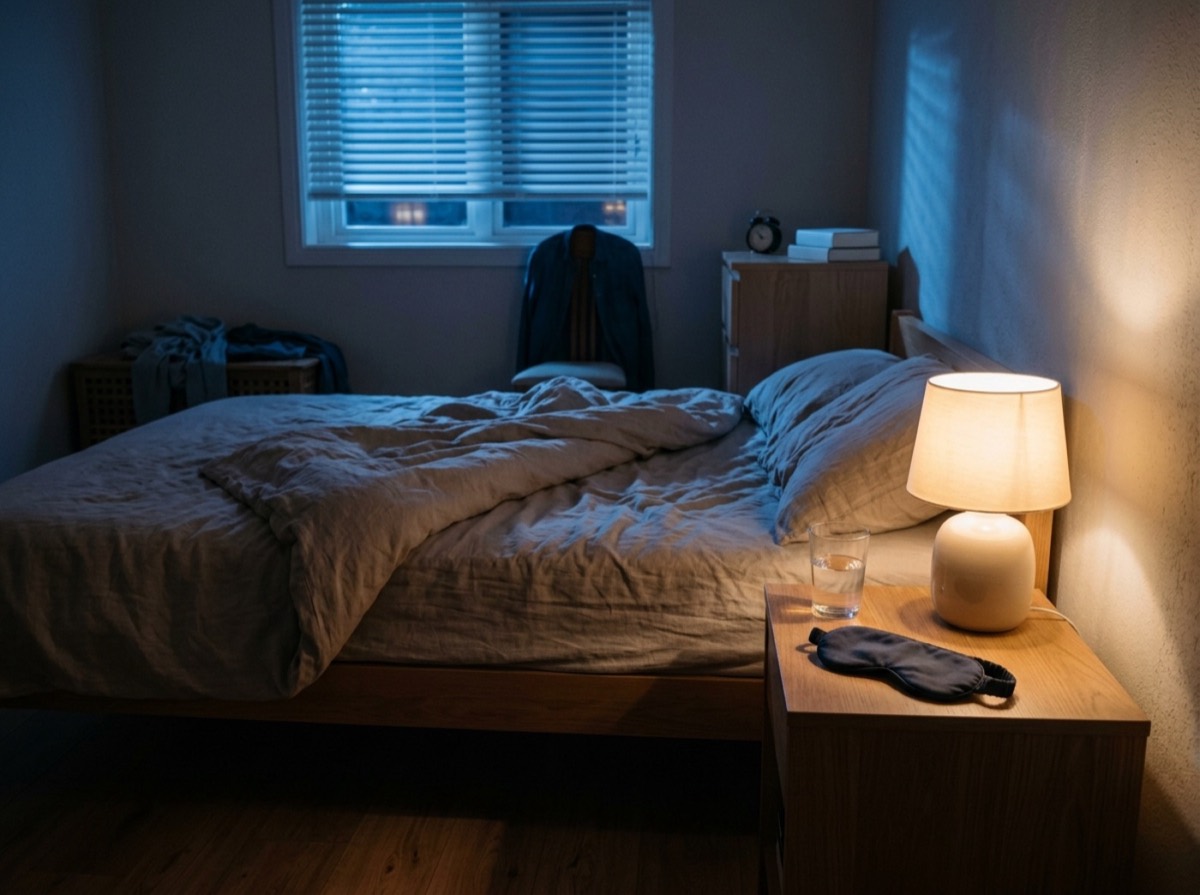
A good sleep environment is quiet, dark, comfortable and cool. The Sleep Foundation suggests a bedroom temperature of around 18°C (65°F), and many people sleep best somewhere between about 16 and 20°C. A room that is too warm is a common, overlooked cause of restless nights.
Block out light with blackout curtains or an eye mask, and cover small standby lights. If noise is a problem, earplugs or a steady background sound such as a fan can mask sudden disturbances. Keep the bed for sleep and intimacy, so your brain links it with rest rather than work or scrolling.
- Cool: around 16 to 20°C, with breathable bedding
- Dark: blackout curtains or a sleep mask
- Quiet: earplugs or steady background noise
- Comfortable: a supportive mattress and pillow that suit how you sleep
- Uncluttered: no laptop, work papers or laundry piles in view
Watch caffeine, alcohol and late meals
Caffeine blocks the chemical that builds sleep pressure during the day, and its effects last for hours. Both the CDC and sleep experts advise avoiding caffeine in the afternoon and evening. Remember that tea, cola, energy drinks and dark chocolate contain it too.
Alcohol can make you drowsy, but it fragments sleep later in the night and often causes early waking. Heavy or spicy meals close to bedtime can cause discomfort and reflux. Aim to finish a large dinner two to three hours before bed; a small, light snack is fine if you are hungry.
Do screens before bed ruin sleep?
Phones, tablets and laptops keep the mind switched on, and the content itself, from work emails to endless feeds, is often more disruptive than the light. The CDC recommends putting devices away at least 30 minutes before bed, and a device-free buffer of 30 to 60 minutes is a good target.
Charging your phone outside the bedroom removes the temptation to check it and doubles as a reason to use a simple alarm clock. If you do use a screen in the evening, dim it, turn on a warm night setting and choose something calm rather than stimulating.
Build a wind-down bedtime routine
A consistent routine tells your body that sleep is coming. Give yourself about 30 minutes of quiet, low-light activities before bed and repeat them in roughly the same order each night.
Racing thoughts are a common reason people cannot switch off. Writing down tomorrow's tasks or anything on your mind earlier in the evening can take the pressure off, so you are not rehearsing your to-do list at midnight.
- Dim the lights in the hour before bed
- Take a warm shower or bath
- Read a paper book or listen to quiet music
- Try slow breathing or gentle stretching
- Jot down worries and tomorrow's priorities on paper
Use daytime habits to sleep better at night
What you do during the day matters as much as the evening. Regular physical activity supports deeper sleep, although some people find vigorous exercise right before bed too stimulating. Daylight exposure, especially in the morning, strengthens your natural rhythm.
Naps can help if they are short and early. Keep them to around 20 to 30 minutes and in the early afternoon. Long or late naps reduce sleep pressure and make it harder to fall asleep at night.
What to do if you can't fall asleep
Lying in bed, wide awake and watching the clock, trains your brain to associate the bed with frustration. If you have not fallen asleep after roughly 20 minutes, get up, go somewhere dim and do something calm such as reading until you feel sleepy, then go back to bed. Turn the clock away so you are not checking the time.
Waking briefly during the night is normal. Keep lights low, avoid your phone and use the same approach if you stay awake for a long stretch. If poor sleep continues for several weeks, or you snore loudly, stop breathing during sleep or feel very sleepy during the day, talk to a doctor. Conditions such as insomnia and sleep apnoea are treatable, and cognitive behavioural therapy for insomnia is a well-established first-line treatment.
Frequently asked questions
How can I sleep better naturally?
+
Keep a fixed wake-up time, get morning daylight, avoid caffeine after lunch, and keep your bedroom cool, dark and quiet. A 30-minute wind-down routine without screens also helps. These habits work better together than on their own.
What is the best temperature for sleeping?
+
Most sleep experts suggest a cool room of around 18°C (65°F), with a comfortable range of roughly 16 to 20°C for most people. A slightly cool room helps your body temperature drop, which is part of falling asleep.
Why do I wake up at 3am every night?
+
Common causes include stress, alcohol in the evening, a warm bedroom, needing the toilet, noise or light, and an irregular schedule. Brief wake-ups are normal, but if you regularly lie awake for a long time, keep a sleep diary and speak to a doctor if it persists.
How long before bed should I stop using my phone?
+
The CDC recommends putting electronic devices away at least 30 minutes before bed. Many people find a 60-minute screen-free buffer works even better, especially if they tend to read work messages at night.
How late can I drink coffee without affecting sleep?
+
Caffeine stays active in the body for many hours, so health bodies advise avoiding it in the afternoon and evening. A practical rule is to have your last caffeinated drink before early afternoon, and earlier if you are sensitive.
Is it better to sleep 6 hours or 8 hours?
+
Most adults need at least seven hours, so eight is closer to what the body needs than six. Regularly sleeping six hours builds up a sleep debt that affects focus, mood and health, even if you feel used to it.
When should I see a doctor about sleep problems?
+
See a doctor if trouble sleeping lasts several weeks and affects your days, or if you snore loudly, gasp or stop breathing at night, or feel very sleepy while driving or working. These can be signs of insomnia or sleep apnoea, both of which can be treated.
Learning how to sleep better usually comes down to consistency: the same wake-up time, a cool and dark bedroom, sensible caffeine and screen limits, and a calm routine before bed. Pick two or three changes, stick with them for a couple of weeks and notice what helps. If sleep problems persist despite good habits, a doctor can look for underlying causes and point you toward effective treatment.
How we research: Guides are written from established sources and checked for accuracy. They are general information, not professional advice.
Written by
Bitezine Editorial Team
Rankings, reviews & guides
Our editors research every piece from makers’ documentation, independent tests and owner reports, and update it when products change.