Money
How to save money on travel without missing out
How to save money on travel: flexible dates, smart booking, cheaper stays, avoiding card fees and spending less at your destination.
 Bitezine Editorial TeamRankings, reviews & guides 5 min read
 AI generated
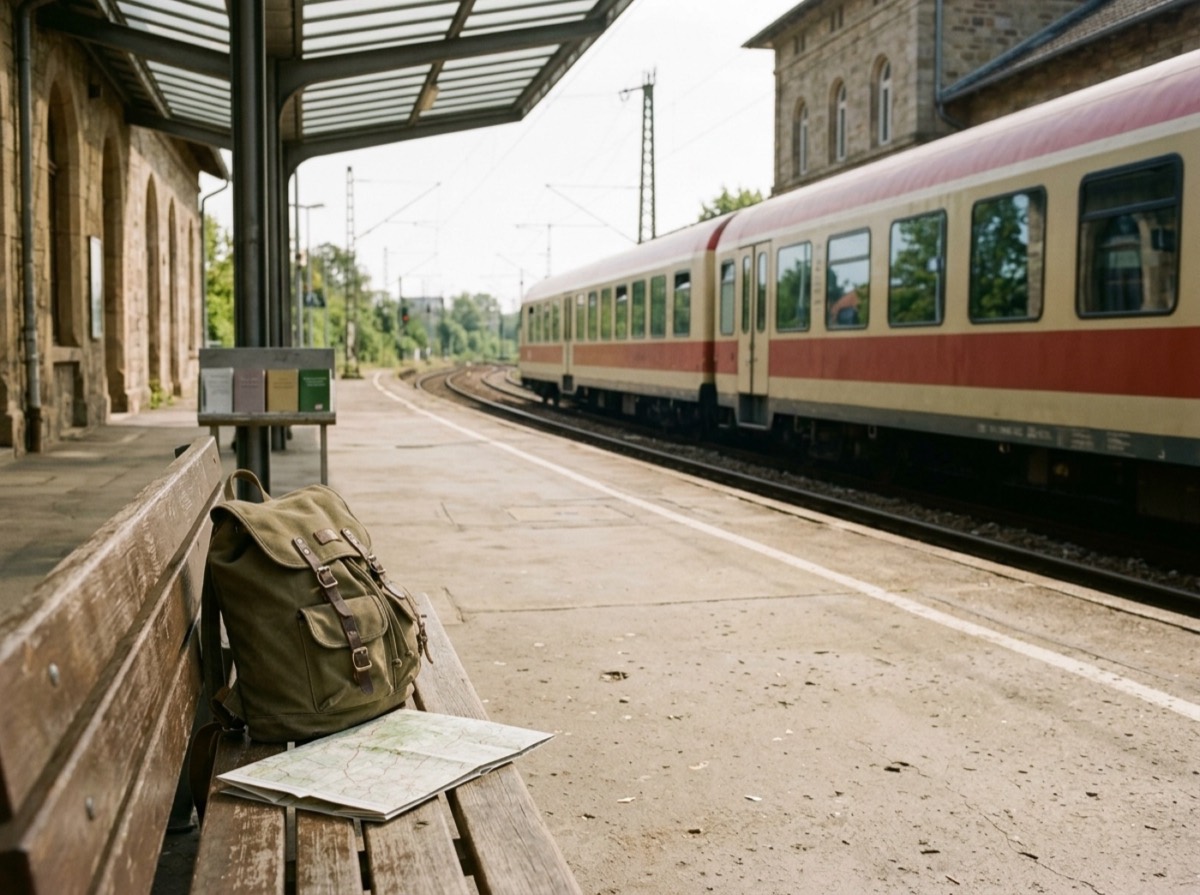
Knowing how to save money on travel is mostly about flexibility and a few habits that stop small costs from adding up. The biggest savings come before you leave, when you choose dates, transport and accommodation. The rest come from avoiding fees and tourist traps once you arrive.
This guide collects practical ideas that work for city breaks, family holidays and longer trips alike. It is general information, not financial advice, and conditions such as fees and cancellation terms always depend on your provider.
Set a travel budget first
Decide what the whole trip may cost before you book anything. Split it into transport, accommodation, food, activities, local transport and a buffer for surprises. A clear number makes trade-offs easier: a cheaper flight might pay for a better hotel, or a self-catering flat might free up money for a special excursion.
Saving for the trip in a separate pot over several months means you can pay without using credit, which avoids interest eating into your holiday.
Travel off-season and stay flexible with dates
Prices for flights, trains and hotels follow demand. School holidays, public holidays and big local events push them up. Travelling in the shoulder season, the weeks just before or after peak season, often brings lower prices, fewer crowds and still pleasant weather.
Mid-week departures are frequently cheaper than Friday or Sunday. Many booking sites offer flexible-date calendars that show prices across a whole month, which makes the cheapest days easy to spot. Being flexible about the destination helps too: pick the place that is good value for your dates rather than the other way round.
Consider the length of the trip as well. Some accommodation offers lower nightly rates for weekly stays, and a slower trip with fewer transfers often costs less than trying to see several cities in a short time. Every extra flight, train or bus between stops adds up, along with luggage fees and the meals you buy on the road. Choosing one or two bases and exploring from there usually saves both money and energy.
The biggest travel savings come before you leave, when you choose dates, transport and accommodation.
How to find cheap flights and trains
Compare several search engines and then check the airline's own site, which sometimes has the same fare with better conditions. Look at nearby airports and consider train journeys, which can be competitive once you include transfers and luggage.
Watch the extras. Low headline fares often exclude cabin bags, checked luggage, seat selection and airport check-in. Pack light and check what is included before comparing prices.
For trains, long-distance operators often release discounted fares months in advance, and railcards or group tickets can reduce the cost for regular travellers and families. Set price alerts rather than checking every day.
How to save money on hotels and accommodation
Look beyond the obvious. Apartments with a kitchen, guesthouses, hostels with private rooms and campsites can all cost less than hotels, especially for families or groups. Staying slightly outside the centre near good public transport is often much cheaper.
Compare the total price including cleaning fees, city taxes and breakfast. Booking directly with the property can sometimes bring a better rate or perks. Flexible cancellation costs a little more but protects you if plans change; non-refundable rates only make sense when your dates are certain.
Avoid card and currency fees abroad
Fees can quietly add a few percent to everything you spend. Before travelling outside your currency area, check whether your card charges foreign transaction fees or fees for cash withdrawals, and consider a card that does not.
When a card terminal or cash machine abroad asks whether to pay in your home currency or the local currency, choosing the local currency is usually cheaper. The conversion offered on the spot, known as dynamic currency conversion, often includes a poor exchange rate.
Avoid exchanging cash at airports and hotels, where rates tend to be worse, and be aware that some cash machines add their own fee.
How to save money on food and activities while travelling
Eating out for every meal is one of the biggest holiday costs. A few simple habits make a big difference.
- Have a large breakfast and a picnic lunch from a local market or supermarket.
- Eat your main meal at lunchtime, when many restaurants offer set menus.
- Walk a few streets away from major sights for better prices.
- Carry a refillable water bottle where tap water is safe to drink.
- Look for free walking tours, museum free-entry days and public parks.
- Use city passes only if you will actually visit enough included attractions.
- Use public transport day or week tickets instead of taxis.
Protect yourself from expensive surprises
Saving money also means avoiding big unexpected costs. Travel insurance, including cover for medical treatment abroad and trip cancellation, can prevent a financial disaster. Within the EU, the European Health Insurance Card gives access to state-provided health care on the same terms as locals, but it does not cover everything, such as repatriation.
Check mobile roaming rules before you go. Roaming within the EU is generally charged at domestic rates under EU rules, but calls and data outside the EU can be very expensive. Know your airline passenger rights too: under EU rules, travellers may be entitled to compensation for long delays and cancellations.
Frequently asked questions
What is the cheapest way to travel?
+
Usually by travelling off-season, being flexible with dates and destinations, packing light and choosing self-catering accommodation. Comparing trains, buses and flights for the full journey cost also helps.
When is the best time to book flights?
+
There is no single magic day, but booking a few weeks to a few months ahead usually beats last-minute prices, especially in peak season. Setting price alerts and using flexible-date searches is more reliable than trying to time the market.
Should I pay in local currency or my home currency abroad?
+
Choose the local currency in most cases. Paying in your home currency triggers dynamic currency conversion, which often uses a less favourable exchange rate.
How can I save money on hotels?
+
Compare total prices including fees and taxes, stay near public transport rather than in the centre, and consider apartments or guesthouses. Checking the property's own website can sometimes reveal a better rate.
Is travel insurance worth the money?
+
For most trips, yes, especially for medical cover abroad and expensive non-refundable bookings. Check what your existing insurance and credit cards already cover to avoid paying twice.
How much money should I budget per day for travel?
+
It depends heavily on the destination and travel style. Research typical costs for accommodation, meals and transport where you are going, then add a buffer of around 10 to 15 percent for surprises.
Saving money on travel does not mean giving up the experience. Set a budget, be flexible with dates, compare the full cost of transport and accommodation, avoid card fees and eat and explore like a local. The money you save can pay for the next trip.
How we research: Guides are written from established sources and checked for accuracy. They are general information, not professional advice.
Written by
Bitezine Editorial Team
Rankings, reviews & guides
Our editors research every piece from makers’ documentation, independent tests and owner reports, and update it when products change.