Money
How to save for a car: a step-by-step savings plan
Set a realistic budget, count the true running costs, automate your savings and decide between cash, finance and leasing: how to save for a car.
 Bitezine Editorial TeamRankings, reviews & guides 5 min read
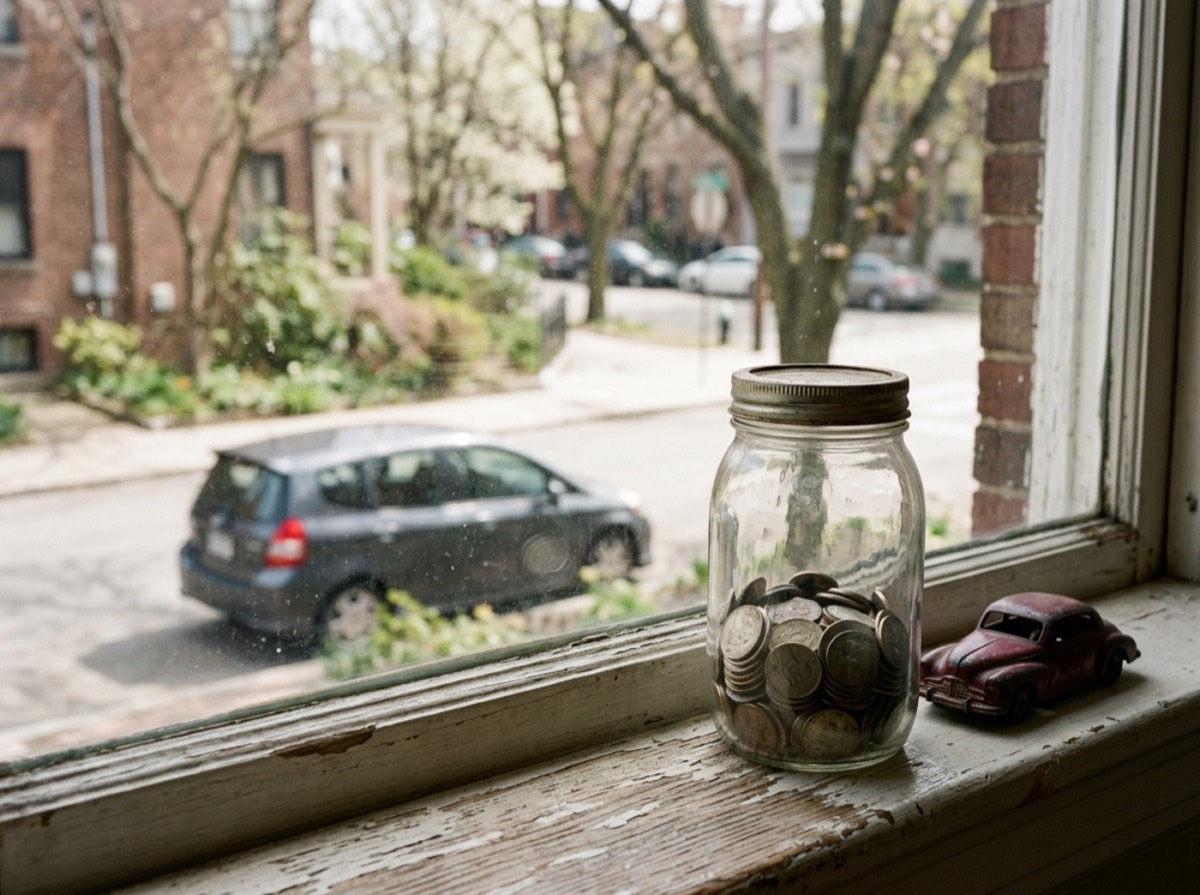 AI generated
Learning how to save for a car before you buy one is one of the most effective ways to cut the cost of driving. Paying cash, or at least making a large down payment, means less interest, smaller or no monthly payments and more freedom of choice.
This step-by-step plan covers setting a target, accounting for running costs, building the savings and choosing how to pay. It is general information, not financial advice; compare the actual offers available to you before deciding.
Step 1: Work out how much car you can afford
Start with your monthly budget, not with the car you would like. Look at what is left after housing, bills, food, debt repayments and your existing savings goals. That leftover amount has to cover the car's monthly costs and your savings for the next one.
A popular rule of thumb, often called the 20/4/10 rule, suggests putting down at least 20 percent, financing for no longer than four years and keeping total car costs under about 10 percent of gross income. It is only a guideline, but it keeps a car from swallowing your budget.
Step 2: Count the true cost of owning a car
The purchase price is only part of the bill. Before you pick a target, estimate what the car will cost every month to run. Many people are surprised by how much these items add up to over a year.
Depreciation is the hidden one. A new car loses value fastest in its first few years, which is why a well-maintained used car is often the better value for savers.
- Insurance, which varies a lot by model and driver
- Vehicle tax
- Fuel or charging
- Servicing, tyres and repairs
- Inspections, such as the regular roadworthiness test (in Germany, the HU)
- Parking, tolls and cleaning
- Loss of value over time
Once the car is paid for, keep the monthly transfer going and start your fund for the next one.
Step 3: Set a savings goal and a deadline
Pick a realistic purchase price, add an allowance for registration, transfer and first-service costs, and subtract anything you will get for your current car. That is your target.
Divide the target by the number of months until you want to buy. If the monthly figure is too high, extend the deadline, lower the budget or look for extra income. Writing the goal down, with a date, makes it far more likely that you stick to it.
Step 4: Automate your car savings
The easiest way to save for a car is to never see the money. Set up a standing order that moves your monthly amount on payday into a separate account reserved for the car.
Keep car savings somewhere safe and accessible, such as an instant-access savings account or a fixed-term deposit that matures when you plan to buy. Money you need within a few years should not sit in volatile investments, because a market dip could hit just as you are ready to buy.
- Open a dedicated savings account and give it a clear name
- Transfer on payday, not at the end of the month
- Add windfalls such as tax refunds, bonuses or gifts
- Increase the transfer when your income rises
Step 5: Find extra money in your budget
If the gap is too wide, look for savings in the places that move the needle. Small cuts add up when they are redirected straight into the car fund rather than absorbed by everyday spending.
- Cancel subscriptions you rarely use
- Review insurance, energy and phone contracts
- Cook at home more often
- Sell things you no longer need, possibly including your current car
- Pick up extra hours or a side job for a fixed period
- Use public transport, cycling or car sharing while you save
Paying cash vs financing vs leasing
Paying in full avoids interest and credit checks, and you own the car outright from day one. The downside is that a large sum leaves your savings, so keep your emergency fund intact rather than emptying it for the car.
Financing lets you buy sooner but adds interest. A larger down payment reduces the loan and the total cost. Compare the effective annual interest rate, not just the monthly payment, and watch for balloon payments at the end of the term.
Leasing means you pay for the car's use, not its ownership. Monthly payments can look low, but you own nothing at the end, and extra charges may apply for excess mileage or damage. It suits some drivers who want a new car every few years, but it rarely builds wealth.
Keep saving after you buy
Once the car is paid for, keep the monthly transfer going. Part of it can cover repairs and tyres, and the rest starts your fund for the next car. People who do this can often replace their car with cash every time and never need a car loan again.
Frequently asked questions
How much should I save for a car?
+
Enough to pay in full or to make a substantial down payment, often suggested as at least 20 percent, plus money for registration and first costs. Keep your emergency fund separate so the purchase does not leave you without a safety net.
Is it better to pay cash for a car?
+
Paying cash avoids interest and keeps the deal simple. It is usually the cheapest way to buy, as long as it does not drain your emergency savings. Occasionally a low-rate finance deal can be competitive, so compare the total cost.
How long does it take to save for a car?
+
It depends on the price and how much you can put aside each month. Divide your target by your monthly savings to get the number of months, and adjust the budget or deadline if the result is unrealistic.
Should I buy a new or used car?
+
A used car that is a few years old has already absorbed the steepest depreciation, so it often offers better value. A new car brings warranty cover and the latest safety features. Weigh reliability, running costs and total price.
Where should I keep money I am saving for a car?
+
In a safe, easy-to-reach place such as a savings account or a fixed-term deposit timed to your purchase date. Avoid investing short-term car savings in shares, which can fall in value.
Is leasing cheaper than buying?
+
Monthly leasing costs can be lower than loan payments, but you do not own the car at the end. Over many years, buying a reliable car and keeping it tends to cost less.
Knowing how to save for a car turns a stressful purchase into a planned one. Set a budget based on your real finances, include running costs, automate a monthly transfer and keep saving after you buy. The car you pay for in advance is almost always the cheapest one you will ever own.
How we research: Guides are written from established sources and checked for accuracy. They are general information, not professional advice.
Written by
Bitezine Editorial Team
Rankings, reviews & guides
Our editors research every piece from makers’ documentation, independent tests and owner reports, and update it when products change.