Living
How to save energy at home: room-by-room habits that add up
How to save energy at home with simple changes to heating, lighting, laundry, cooking and standby power, most of them free or low cost.
 Bitezine Editorial TeamRankings, reviews & guides 6 min read
 AI generated
Learning how to save energy at home is one of the few ways to lower household bills without giving anything up. Most savings come from a handful of habits around heating, hot water and appliances, and many of them cost nothing.
This guide goes through the home area by area. Start with heating, because in most climates it is the largest share of household energy use, then move on to hot water, the kitchen, laundry, lighting and electronics.
Heating: the biggest place to save energy
Room temperature has a direct effect on consumption. A commonly cited rule of thumb from German energy advisers is that each degree Celsius lower saves roughly six percent of heating energy. Turning the thermostat from 22 to 20 degrees is barely noticeable with a jumper on, yet it adds up over a whole winter.
You do not need every room at the same temperature. Around 20 degrees works for living areas, while bedrooms and hallways can be cooler, around 16 to 18 degrees. Lower the heating when you are out or asleep, but avoid letting rooms get very cold, since cold walls encourage condensation and mould.
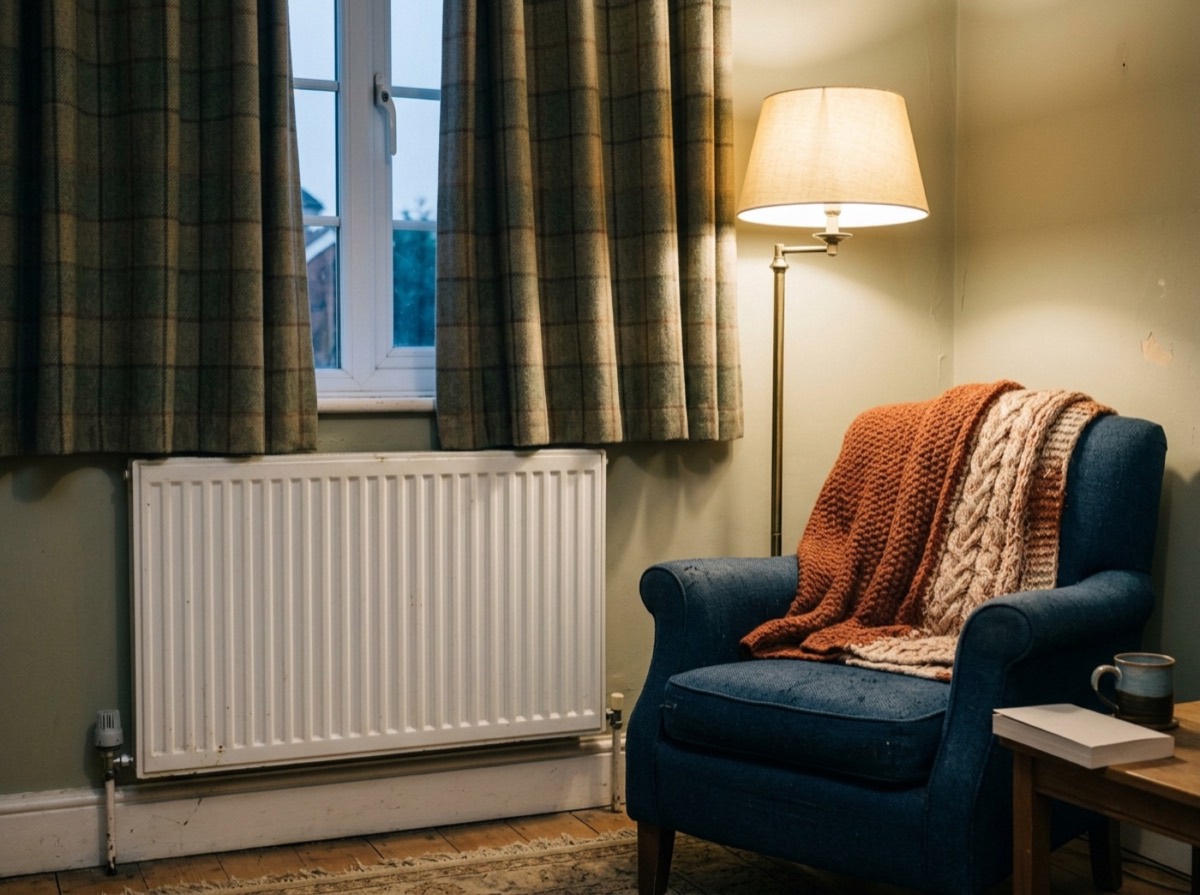
Help the heat stay where it is useful. Keep radiators free of furniture and long curtains, close doors between warm and cool rooms, and draw curtains at dusk. If radiators are cold at the top and warm at the bottom, bleeding them lets trapped air out so they heat properly.
How to air a room without wasting heat
Fresh air matters for health and to keep humidity down, but a window left tilted open all day drains heat while exchanging little air. The more efficient method is short, full ventilation: open windows wide for a few minutes, ideally on opposite sides of the home to create a draught, then close them again.
Several short airings a day are usually enough. Turn the radiator valve down while the window is open so the heating does not work against the cold air, then turn it back up afterwards.
Most savings come from a handful of habits, and many of them cost nothing.
Seal draughts and insulate what you can
Gaps around windows, doors, letterboxes and floorboards let warm air escape. Self-adhesive draught strips, a brush strip at the bottom of a door and a simple draught excluder are cheap and suitable for renters, since they can be removed later.
Thick curtains, rugs on bare floors and reflective panels behind radiators on outside walls all reduce heat loss. For owners, loft insulation, wall insulation and better glazing are larger projects with bigger savings; a professional energy assessment helps you decide which to do first.
Hot water and bathroom habits
Heating water uses a lot of energy, so small changes here count. A short shower uses far less hot water than a bath, and a water-saving shower head reduces flow without making the shower feel weak.
Keep showers to a few minutes, fix dripping hot taps and avoid rinsing dishes under running hot water. If you have a hot water tank, insulating it and its pipes reduces heat loss, but do not set stored water too low; many guidelines advise keeping it at around 60 degrees to control bacteria.
Kitchen: cooking and appliances
Cooking and refrigeration run every day, so efficiency here pays back steadily.
- Put a lid on pans. Food heats faster and uses less energy.
- Match the pan size to the hob ring or zone.
- Boil only as much water as you need in the kettle.
- Use the microwave, air fryer or pressure cooker for small portions instead of the full oven.
- Skip preheating the oven where the recipe allows, and switch it off a few minutes early.
- Keep the fridge at around 5 degrees and the freezer at minus 18; colder wastes energy.
- Defrost the freezer when ice builds up, and keep door seals clean.
- Run the dishwasher only when full and use the eco programme.
Laundry: wash cooler, dry smarter
Most of a washing machine's energy goes into heating water. Modern detergents clean well at 30 or 40 degrees for everyday loads, so hotter washes are only needed for heavily soiled items, towels or bedding when hygiene matters.
Wait for a full load, use the eco programme even though it takes longer, and choose a high spin speed so clothes come out drier. Tumble dryers use a lot of electricity, so air-dry whenever you can. If you use a dryer, clean the lint filter after every cycle.
Lighting and standby power
If you still have incandescent or halogen bulbs, replacing them with LEDs is one of the easiest upgrades. LEDs use roughly a tenth of the electricity for the same light and last many times longer. Switch off lights in empty rooms and use daylight where possible.
Devices on standby draw a small amount of power around the clock. Current EU rules cap standby consumption for many products at very low levels, but older equipment, set-top boxes, games consoles and chargers can still add up. Switchable power strips make it easy to turn off a whole television or desk setup at once. Check that devices such as routers or recorders do not need to stay on first.
Find out what uses the most energy
Read your meters weekly for a month to see your normal usage and spot jumps. A plug-in energy meter shows how much individual appliances consume, which often reveals an old second fridge or a forgotten heater as the culprit.
When an appliance needs replacing, compare energy labels and choose the most efficient model that suits your needs. Bigger is not always better: an oversized fridge or television uses more power every day.
Frequently asked questions
What uses the most energy in a home?
+
In most homes in colder climates, space heating uses the most energy, followed by hot water. Among electrical appliances, tumble dryers, electric heaters, ovens, fridges and freezers are usually the biggest consumers.
Does turning down the thermostat really save money?
+
Yes. A widely used rule of thumb is that each degree Celsius lower saves about six percent of heating energy. The exact figure depends on your home and climate, but the direction is always the same.
Is it cheaper to leave the heating on all day?
+
In most homes it is cheaper to heat only when you need it, because a warm home loses heat faster than a cool one. Very well-insulated homes and heat pump systems can be an exception, as they work best at steady, lower temperatures.
How much energy does standby use?
+
It varies by household and by the age of devices. Studies from before stricter EU limits found standby made up several percent of household electricity. Switching off at the plug is still worthwhile for older electronics and entertainment setups.
Does washing at 30 degrees save energy?
+
Yes. Most of the energy a washing machine uses goes into heating water, so a cooler wash uses noticeably less. Modern detergents are designed to clean everyday laundry well at low temperatures.
How can renters save energy at home?
+
Renters can lower thermostat settings, use removable draught strips, switch to LED bulbs, air rooms in short bursts and change laundry and cooking habits. Larger upgrades such as insulation are worth discussing with the landlord.
How to save energy at home comes down to a few steady habits: heat rooms sensibly, air them briefly, wash cooler, cook with lids and switch devices off properly. Measure your usage, tackle the biggest consumers first and add upgrades when appliances or bulbs need replacing. The savings are modest each day and substantial over a year.
How we research: Guides are written from established sources and checked for accuracy. They are general information, not professional advice.
Written by
Bitezine Editorial Team
Rankings, reviews & guides
Our editors research every piece from makers’ documentation, independent tests and owner reports, and update it when products change.