Living
How to plan a kids' birthday party: a stress-free step-by-step guide
How to plan a kids' birthday party without stress: budget, guest list, venue, timeline, food, games by age, safety and a simple planning checklist.
 Bitezine Editorial TeamRankings, reviews & guides 6 min read
 AI generated
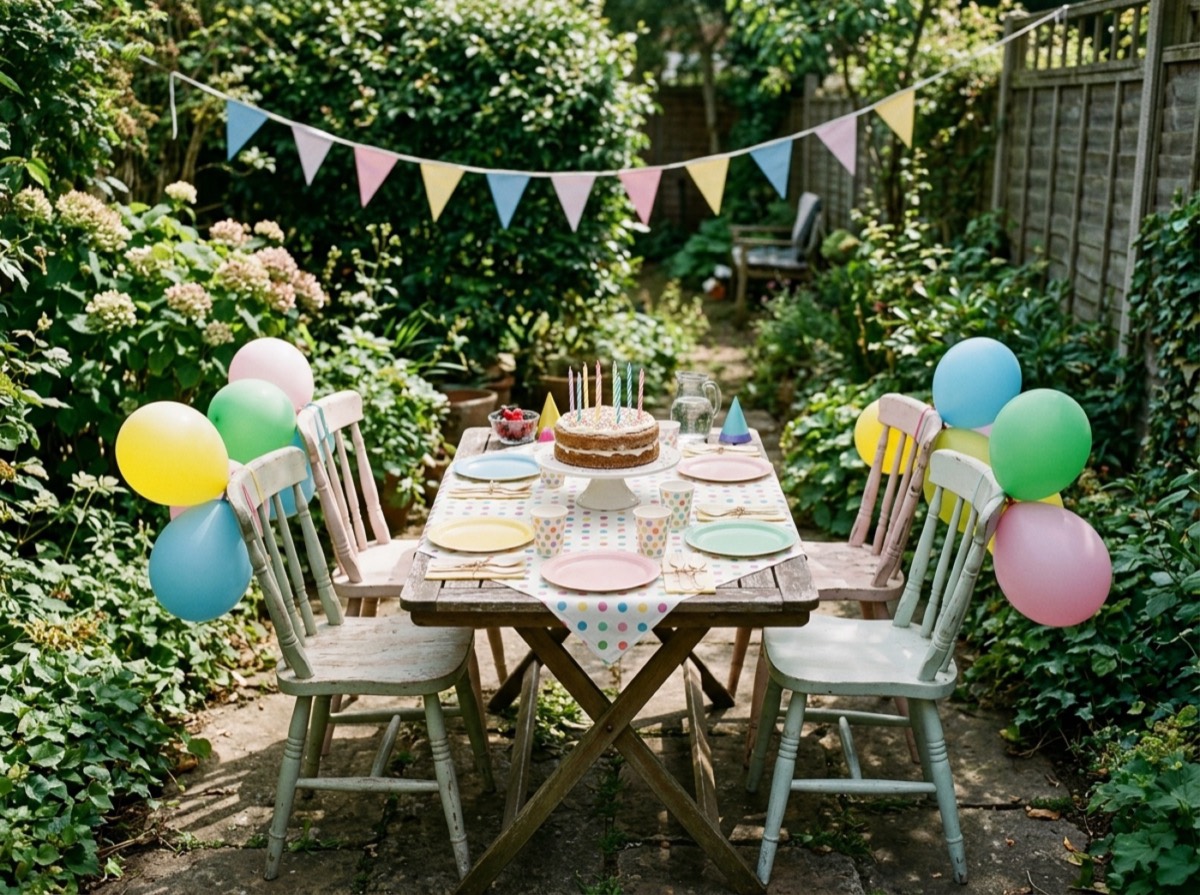
Knowing how to plan a kids' birthday party in the right order turns a potentially chaotic afternoon into a fun, manageable one. Most of the stress comes from last-minute decisions, so settling the budget, guest list, date and venue early does most of the work for you.
This guide takes you through each step, from the first idea to the last party bag, with age-based tips for games, food and timing, and a simple checklist you can follow.
Step 1: Set a budget and ask your child what they want
Decide how much you want to spend before looking at venues or decorations. A number makes every later decision easier and stops small extras from adding up. The biggest costs are usually the venue, food and any entertainer, so plan those first.
Then talk to your child. Many children care most about one or two things, such as a favourite theme, a particular cake or having their best friends there. Focusing on what they will remember lets you save on everything else.
How many kids should you invite?
A popular rule of thumb is to invite as many children as your child's age plus one, so six guests for a fifth birthday. It is not a strict rule, but it keeps younger children's parties small enough to manage and less overwhelming for the birthday child.
Some schools and nurseries have a policy of inviting the whole class or handing out invitations privately, so check before sending anything to school. For larger groups, plan on extra adult helpers: toddlers and preschoolers need far closer supervision than older children.
Children remember the friends, the games and the cake, not whether the napkins matched the balloons.
Step 2: Choose the date, time and length
Pick a date three to six weeks ahead so you have time to book a venue and guests can plan. Check it against school holidays, local events and other parties in the class.
Match the length and timing to your child's age. For toddlers, a late-morning party that avoids nap time and lasts around an hour and a half is plenty. Most children aged four to eight enjoy about two hours. Older children can manage longer events or activity outings. Stating a clear end time on the invitation helps parents plan pick-up.
Step 3: Pick a venue and a theme
A party at home is cheaper and more personal but means more preparation and clean-up. A garden or a local park gives space to run around, as long as you have a backup plan for bad weather. Hired venues, such as a community hall, soft play centre, climbing gym or swimming pool, cost more but often include activities and staff.
A theme is optional but makes planning easier, because it guides the invitation, decorations, cake and games. Keep it simple: a colour, an animal, a favourite story or a hobby works just as well as an elaborate concept.
Step 4: Send invitations and track allergies
Send invitations about three to four weeks before the party, or around two weeks for a casual gathering. Include the date, start and end times, address, any theme or clothing needs, and a reply-by date about a week before the event.
Ask parents to tell you about food allergies and dietary needs when they reply. Keep a written list, share it with any helpers and check it again when you shop. Ask whether parents of younger children plan to stay, so you can plan space and refreshments for them.
Birthday party games and activities by age
Plan more activities than you think you need, because children move through them quickly, and keep one quiet activity ready for when energy gets too high. Short games of five to ten minutes work best for younger children.
A structured start helps. An easy welcome activity, such as colouring, decorating a party hat or building with blocks, keeps early arrivals busy while you wait for everyone.
- Ages 1 to 3: free play, bubbles, a simple music session, sensory tables and a short cake moment
- Ages 4 to 6: musical statues, pass the parcel, treasure hunts, a simple craft and a party entertainer if the budget allows
- Ages 7 to 9: relay races, scavenger hunts, a craft or baking activity, simple team games
- Ages 10 and up: an outing such as bowling, climbing or a cinema trip, a themed sleepover, or a cooking or film party
Kids' party food: keep it simple
Children often eat very little at parties because they are busy playing, so there is no need for a large spread. Finger food that can be picked up easily works best: small sandwiches, vegetable sticks, fruit, crackers, cheese cubes and mini pizzas.
Plan for allergies from the start, label dishes if there are several options, and keep allergen-free food separate. Whole grapes and cherry tomatoes should be cut lengthways for young children to reduce the choking risk, and whole nuts, hard sweets and popcorn are best avoided for under-fives. Have plenty of water available, and offer a few drinks for parents if they are staying.
Your kids' party planning checklist and timeline
Working back from the party date keeps everything on track. Adjust the timing if you are booking a popular venue, which may need more notice.
- Four to six weeks before: set the budget, choose the date, book the venue or entertainer
- Three to four weeks before: send invitations and ask about allergies
- Two weeks before: plan games, the menu and the running order; order the cake
- One week before: chase replies, buy decorations, party bag items and supplies
- Two to three days before: shop for food, prepare prizes and games, charge the camera or phone
- Day before: decorate if possible, prepare food that keeps and set up activity stations
- On the day: set up early, assign helpers, and keep a first-aid kit and wipes to hand
Frequently asked questions
How far in advance should you plan a kids' birthday party?
+
Start four to six weeks ahead, especially if you want a popular venue or entertainer. Send invitations three to four weeks before the party so families can keep the date free.
How long should a kids' birthday party last?
+
About an hour and a half suits toddlers, while two hours works well for most children aged four to eight. Older children can enjoy longer events, especially outings or sleepovers.
How many kids should I invite to a birthday party?
+
A common guideline is the child's age plus one, which keeps parties for younger children manageable. Older children can handle bigger groups, but always check any school policy about inviting classmates.
How can I throw a kids' party on a budget?
+
Host at home or in a park, keep the food simple, bake or decorate a plain cake yourself, and choose classic games that need few supplies. Skipping party bags or giving one small item instead also saves money.
Do parents stay at kids' birthday parties?
+
Parents usually stay for toddlers and preschoolers, while drop-off becomes more common from around school age. Mention on the invitation whether parents are welcome to stay, and ask on the reply.
What should I put in party bags?
+
Small, useful items work best: stickers, crayons, a small book, bubbles, a seed packet or a slice of birthday cake. Many families now choose one item instead of lots of plastic toys, which is cheaper and creates less waste.
Planning a kids' birthday party is much easier when you decide the big things early: budget, guests, date and venue. From there, pick a simple theme, plan age-appropriate games and finger food, keep track of allergies and follow a timeline so nothing is left for the last evening. Children remember friends, games and cake far more than decorations, so put your energy there and enjoy the day with them.
How we research: Guides are written from established sources and checked for accuracy. They are general information, not professional advice.
Written by
Bitezine Editorial Team
Rankings, reviews & guides
Our editors research every piece from makers’ documentation, independent tests and owner reports, and update it when products change.