Living
How to keep houseplants alive: a beginner's guide to healthy indoor plants
How to keep houseplants alive: match plants to your light, water only when needed, use pots with drainage, and spot problems before they get serious.
 Bitezine Editorial TeamRankings, reviews & guides 6 min read
 AI generated
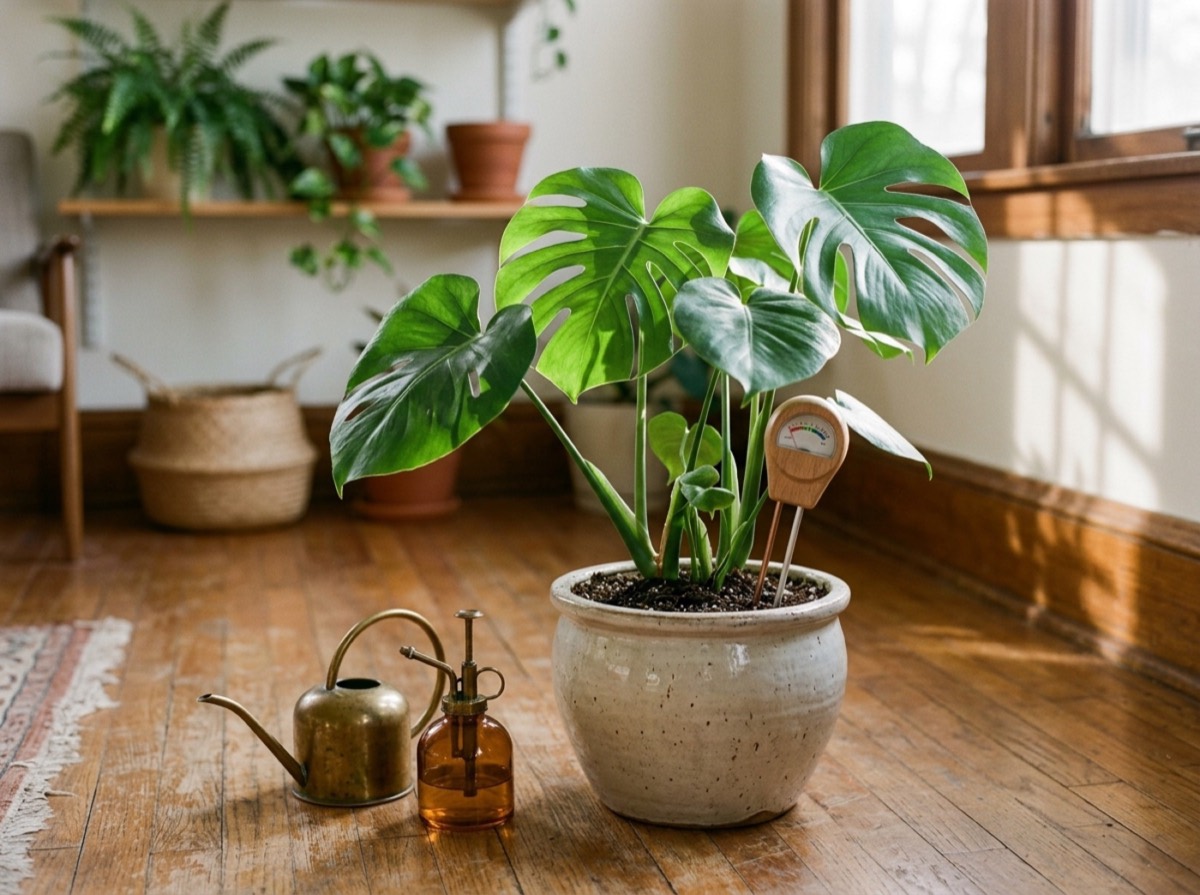
Knowing how to keep houseplants alive comes down to a few basics: the right amount of light, careful watering, a pot that drains and a bit of attention to changes in the leaves. Most indoor plants do not die from neglect alone; they die from well-meant care that does not match what the plant needs.
This guide covers how to choose plants for your home, how often to water, what yellow or brown leaves are telling you, and how to handle pests and winter without losing your collection.
Start with the right plant for your light
Light is the energy source for every plant, and it is the factor people most often misjudge. A spot that looks bright to your eyes may be quite dim for a plant, especially a few metres away from a window.
Before buying, check what each window gives you. South-facing windows (in the Northern Hemisphere) get strong sun, east and west windows get softer morning or afternoon light, and north-facing rooms stay fairly dim. Then choose plants that like those conditions instead of trying to force a sun-lover into a shady corner.
- Low light: snake plant, ZZ plant, cast iron plant, pothos
- Bright, indirect light: monstera, peace lily, philodendron, calathea
- Direct sun: cacti, many succulents, jade plant, citrus
- Signs of too little light: long, stretched stems, small new leaves and plants leaning hard toward the window
- Signs of too much sun: pale, bleached or crispy patches on leaves
How often should you water houseplants?
There is no fixed schedule that works for every plant, and watering on a strict calendar is how many plants get drowned. Overwatering is widely considered the most common cause of houseplant death, because soggy soil starves roots of oxygen and leads to root rot.
Instead, check the soil. For most leafy tropical plants, water when the top two to three centimetres feel dry. Succulents and cacti prefer to dry out almost completely. Ferns and calatheas like soil that stays lightly moist but never waterlogged. Lifting the pot also helps: a dry pot feels noticeably lighter.
When you water, water thoroughly until a little runs out of the drainage hole, then empty the saucer or outer pot after 15 minutes or so. A good soak followed by a drying period is healthier than frequent small sips.
Most houseplants are not killed by neglect but by a watering can used on a schedule instead of on need.
Why drainage and the right pot matter
Every potted plant needs a way for extra water to escape. Decorative pots without holes are fine as an outer cover, but keep the plant in a plastic nursery pot with drainage inside it and check that no water collects at the bottom.
Use a potting mix suited to the plant. Standard indoor mixes work for most foliage plants, while cacti and succulents need a gritty, fast-draining mix. Adding perlite or bark lightens heavy soil and lets roots breathe.
Signs of overwatering vs underwatering
The symptoms can look similar, which is why checking the soil matters. Wilting with wet soil points to overwatering and possibly root damage. Wilting with bone-dry soil means the plant is thirsty.
To save an overwatered plant, stop watering and let the soil dry. If it smells sour or the roots are brown and mushy, remove the plant from its pot, trim the rotten roots with clean scissors and repot into fresh, dry mix. An underwatered plant usually recovers after a thorough soak; for very dry soil, stand the pot in a bowl of water for 20 to 30 minutes so it rehydrates evenly.
- Overwatering: yellowing lower leaves, soft or black stems, soil that stays wet for days, tiny flies around the pot
- Underwatering: crispy brown leaf edges, drooping that recovers after watering, soil pulling away from the pot sides
- Both: wilting, so always check the soil before reacting
Humidity, temperature and feeding
Most common houseplants are comfortable at normal room temperatures, roughly 15 to 25°C. Keep them away from cold draughts, radiators and heating vents, which dry the air and cause sudden temperature swings.
Many tropical plants appreciate higher humidity than a heated home provides. Grouping plants together, placing them on a tray of damp pebbles or using a humidifier can help. Bathrooms with a window are often a good home for ferns and other humidity lovers.
Houseplants live in a limited amount of soil, so nutrients run out over time. Feed with a diluted liquid houseplant fertiliser during the growing season, roughly spring to late summer, following the dose on the label. Skip or reduce feeding in winter, when growth slows.
When to repot a plant
Repotting gives roots room to grow and refreshes tired soil. Signs that it is time include roots circling the pot or growing out of the drainage hole, water running straight through, and growth stalling despite good care.
Spring is the best time. Choose a pot only a few centimetres wider than the old one, because a much larger pot holds extra wet soil that roots cannot use, which raises the risk of rot. Water lightly after repotting and keep the plant out of harsh sun for a week while it settles.
How to deal with common houseplant pests
Check the undersides of leaves and new growth whenever you water, because pests are much easier to control when caught early. Isolate any new plant for a couple of weeks before placing it next to your others.
Wiping leaves with a damp cloth, rinsing plants in the shower and removing badly affected leaves handles many light infestations. For fungus gnats, let the top layer of soil dry out between waterings, since their larvae need moist soil. For stubborn problems, use a product labelled for indoor plants and follow the instructions.
- Spider mites: fine webbing and speckled, dull leaves, worse in dry air
- Mealybugs: white, cotton-like clusters in leaf joints
- Fungus gnats: small flies around wet soil
- Scale insects: small brown bumps on stems and leaves
- Thrips: silvery streaks and black specks on leaves
Houseplant care in winter
Shorter days mean less light and slower growth, so most plants need much less water in winter. Check the soil before every watering and expect the gaps between them to grow. Move plants closer to windows, but not so close that leaves touch cold glass.
Dust the leaves occasionally so they can make the most of the weak light, and hold back on fertiliser until spring. Some leaf drop in winter is normal and not a reason to panic.
Frequently asked questions
What is the easiest houseplant to keep alive?
+
Snake plants, ZZ plants, pothos and cast iron plants are among the most forgiving. They tolerate lower light and occasional missed waterings, which makes them a good choice for beginners and busy households.
Why are my houseplant's leaves turning yellow?
+
The most common cause is overwatering, especially when lower leaves yellow and the soil stays wet. Other causes include too little light, a lack of nutrients or natural ageing of old leaves. Check the soil moisture first before changing anything else.
Should I water my plants every day?
+
Almost no common houseplant needs daily watering. Water when the top few centimetres of soil feel dry for most leafy plants, and let succulents dry out fully. Daily watering is one of the fastest ways to cause root rot.
Can you save a dying houseplant?
+
Often, yes, if some healthy roots or stems remain. Work out whether the problem is water, light or pests, trim dead and rotten parts, repot into fresh mix if the roots are damaged, and move the plant to suitable light. Many plants can also be propagated from a healthy cutting.
Do indoor plants need direct sunlight?
+
Most popular foliage plants prefer bright, indirect light rather than strong direct sun, which can scorch their leaves. Cacti, many succulents and citrus are exceptions and do best with several hours of direct sun.
How do I get rid of little flies in my plant soil?
+
Those are usually fungus gnats, which breed in constantly moist soil. Let the top layer dry out between waterings, empty saucers promptly and use yellow sticky traps to catch adults. Repotting into fresh, dry mix helps with heavy infestations.
Keeping houseplants alive is less about having a green thumb and more about paying attention. Match each plant to the light you have, water only when the soil tells you to, make sure pots drain, and check leaves regularly for early signs of trouble. Start with a few hardy plants, learn their rhythm through the seasons, and add more demanding ones once the basics feel natural.
How we research: Guides are written from established sources and checked for accuracy. They are general information, not professional advice.
Written by
Bitezine Editorial Team
Rankings, reviews & guides
Our editors research every piece from makers’ documentation, independent tests and owner reports, and update it when products change.