Living
How to create a cleaning schedule you will actually follow
How to create a cleaning schedule with daily, weekly, monthly and seasonal tasks, plus ways to share chores fairly in a family or shared flat.
 Bitezine Editorial TeamRankings, reviews & guides 5 min read
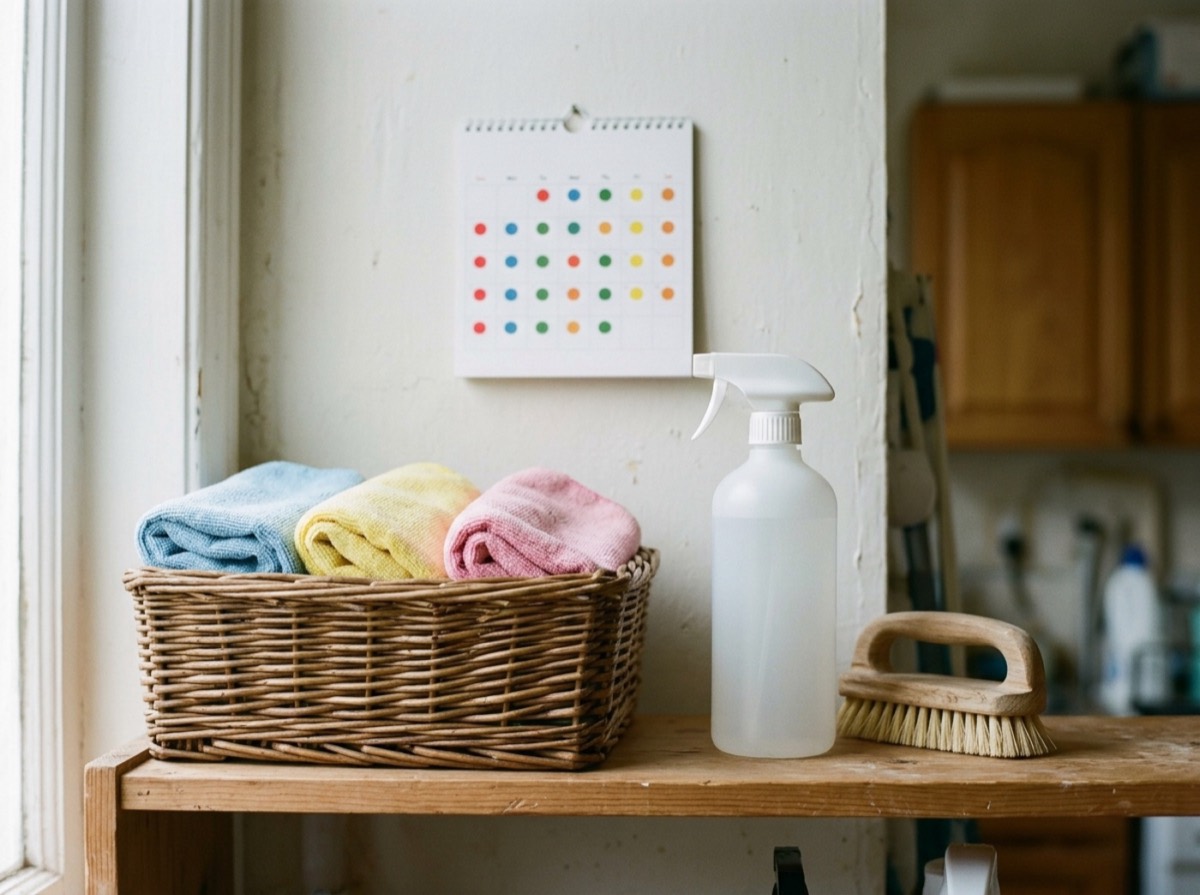 AI generated
If you want to know how to create a cleaning schedule, start with a simple idea: small, regular tasks beat big weekend marathons. A schedule spreads housework across the week so no single day is overwhelming and the home never slides into chaos.
This guide shows you how to list your tasks, decide how often each one needs doing, fit them into your week and share them fairly. You will also find ready-made daily, weekly, monthly and seasonal lists to adapt.
Step 1: list every cleaning task in your home
Walk through each room with a notebook and write down everything that needs doing, from wiping the hob to cleaning behind the fridge. Include the jobs you tend to forget, such as washing shower curtains, descaling the kettle or cleaning the washing machine seal.
This list is the raw material for your schedule. Seeing it all at once also helps explain why the house never feels finished: there really is a lot to do.
Step 2: decide how often each task needs doing
Sort every task into a frequency: daily, weekly, monthly or seasonal. Base this on how quickly things get dirty in your home, not on an ideal. A household with pets, small children or a busy kitchen will need some jobs more often.
Health-related tasks deserve priority. Kitchen surfaces, chopping boards, dishcloths and bathroom surfaces collect bacteria quickly, so they belong in the daily or weekly list. Bed sheets are commonly washed every one to two weeks.
Small, regular tasks beat big weekend marathons.
Daily cleaning checklist
Daily tasks should take fifteen to thirty minutes in total. They keep the home usable and stop mess from piling up.
- Wash dishes or load and run the dishwasher
- Wipe kitchen worktops, the table and the hob
- Do a quick tidy of the living area
- Deal with post and paper clutter
- Make the beds
- Empty any full bins
- Give the bathroom sink a quick wipe
Weekly cleaning schedule
Weekly jobs are the core of a clean home. You can do them all on one day, or give each day a focus so every session stays short. A common pattern is one room or zone per day.
- Monday: bathrooms, including toilet, shower, sink and mirror
- Tuesday: dusting of surfaces, shelves and electronics
- Wednesday: vacuum all floors
- Thursday: kitchen, including fridge check, microwave and sink
- Friday: mop hard floors
- Saturday: change bed sheets and wash towels
- Sunday: rest, plan meals and take out recycling
Monthly and seasonal cleaning tasks
Monthly tasks keep dirt from building up in places you do not see daily. Pick one or two each week so they never become a big project: clean the inside of the oven and microwave, wipe skirting boards and door handles, vacuum sofas and under beds, clean the washing machine and dishwasher filters, descale the kettle and coffee machine, and wash bins.
Seasonal or twice-yearly jobs include washing windows inside and out, cleaning curtains, turning or rotating the mattress if the manufacturer recommends it, defrosting the freezer, clearing out wardrobes, cleaning light fittings and decluttering storage spaces. Many people do these in spring and autumn.
Step 3: fit the schedule to your week
Look at your actual calendar. If you work late on Tuesdays, give that day the lightest task. If weekends are busy with children's activities, move larger jobs to a weekday evening.
Estimate how long each task takes and add it up. If your weekly plan comes to more hours than you have, simplify: reduce frequencies where the home still feels clean enough, combine tasks or decide which jobs could be outsourced. A schedule that asks too much will be abandoned within a month.
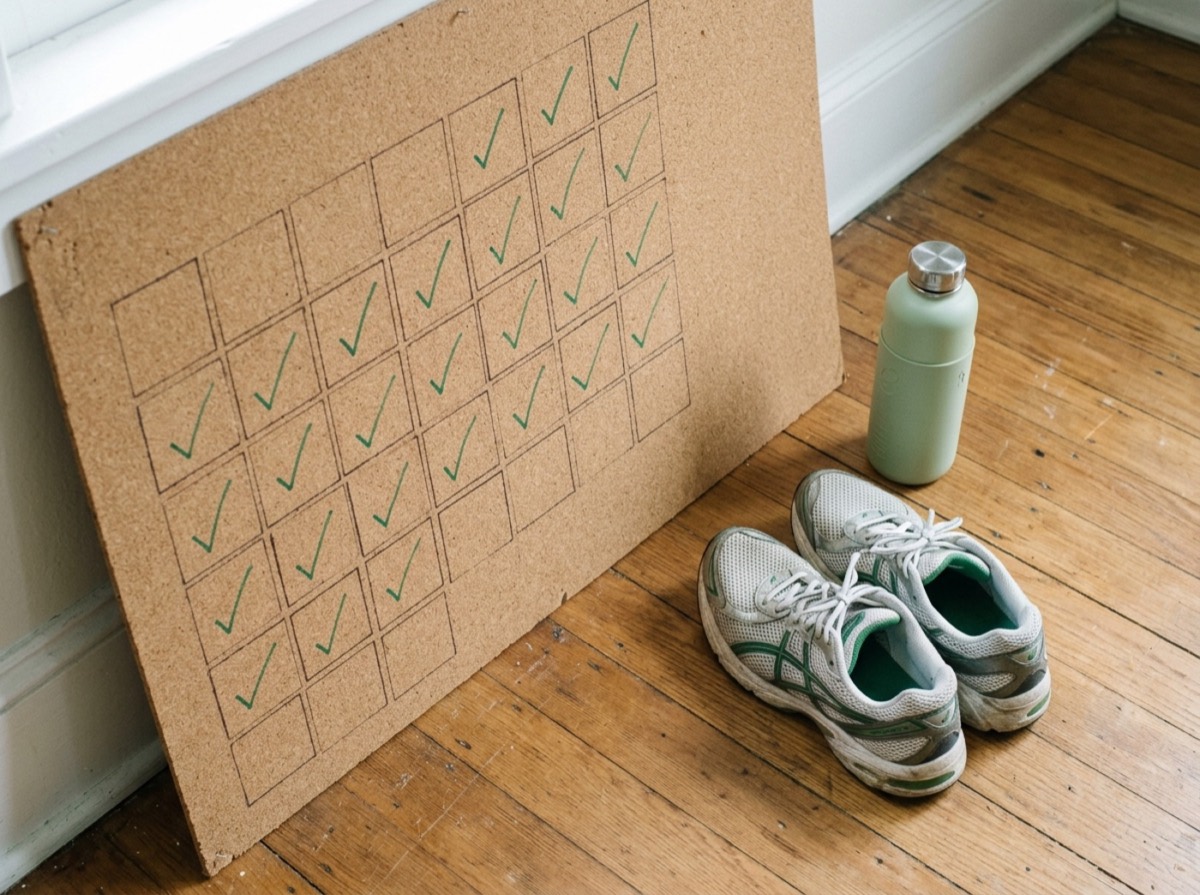
Write the final version down and put it somewhere visible, such as the fridge door or a shared digital calendar. Ticking tasks off gives a small sense of progress.
Step 4: share housework fairly
In a shared home, a cleaning schedule works best when everyone agrees on it. Sit down together, go through the task list and assign jobs by preference and availability. Some people genuinely do not mind ironing; others would rather clean the bathroom.
Rotate the least popular jobs weekly so nobody is stuck with them. In flat shares, a simple rota with names and weeks prevents arguments. Children can help from an early age with age-appropriate tasks, such as putting toys away, setting the table, feeding pets or emptying small bins.
Tips to make a cleaning schedule stick
Keep supplies in the room where they are used, such as a basic kit under the bathroom sink, so cleaning takes less effort. Use a timer and work in short bursts: many tasks take less time than you expect.
Clean as you go during the day: wipe the shower after use, rinse the pan while dinner simmers, and put things back where they belong. Review the schedule after a month and adjust what is not working rather than giving up.
Frequently asked questions
How do I make a cleaning schedule for my house?
+
List every task in each room, decide whether it needs doing daily, weekly, monthly or seasonally, and assign tasks to days that fit your calendar. Keep daily tasks short and write the plan somewhere visible.
How often should you clean your house?
+
Most homes need a short daily tidy, a weekly clean of bathrooms, kitchen and floors, and monthly attention to less visible areas. Homes with pets, young children or allergies may need some tasks more often.
How long should cleaning take each day?
+
For most households, fifteen to thirty minutes of daily tasks plus a focused weekly session is enough. Spreading weekly tasks across several days keeps each session short.
What is the one room a day cleaning method?
+
You focus on a single room or zone each day, such as bathrooms on Monday and the kitchen on Thursday. It keeps sessions short while making sure every part of the home is cleaned once a week.
How often should I change my bed sheets?
+
Washing bed sheets every one to two weeks is a common recommendation. Wash them more often if you sweat heavily, are unwell or let pets sleep on the bed.
How do I get my family to help with cleaning?
+
Agree on the task list together, assign jobs according to age and preference, and rotate the unpopular ones. A visible chore chart and clear expectations work better than repeated reminders.
Once you understand how to create a cleaning schedule, housework stops being a weekend battle. List the tasks, set realistic frequencies, match them to your week and share the load. Review the plan after a month, keep what works and let the rest go. A home does not need to be spotless to feel calm, only looked after regularly.
How we research: Guides are written from established sources and checked for accuracy. They are general information, not professional advice.
Written by
Bitezine Editorial Team
Rankings, reviews & guides
Our editors research every piece from makers’ documentation, independent tests and owner reports, and update it when products change.