Living
How to build a capsule wardrobe: a step-by-step guide
How to build a capsule wardrobe that suits your life: what it is, how many pieces you need, a colour plan, essential items and how to shop and maintain it.
 Bitezine Editorial TeamRankings, reviews & guides 5 min read
 AI generated
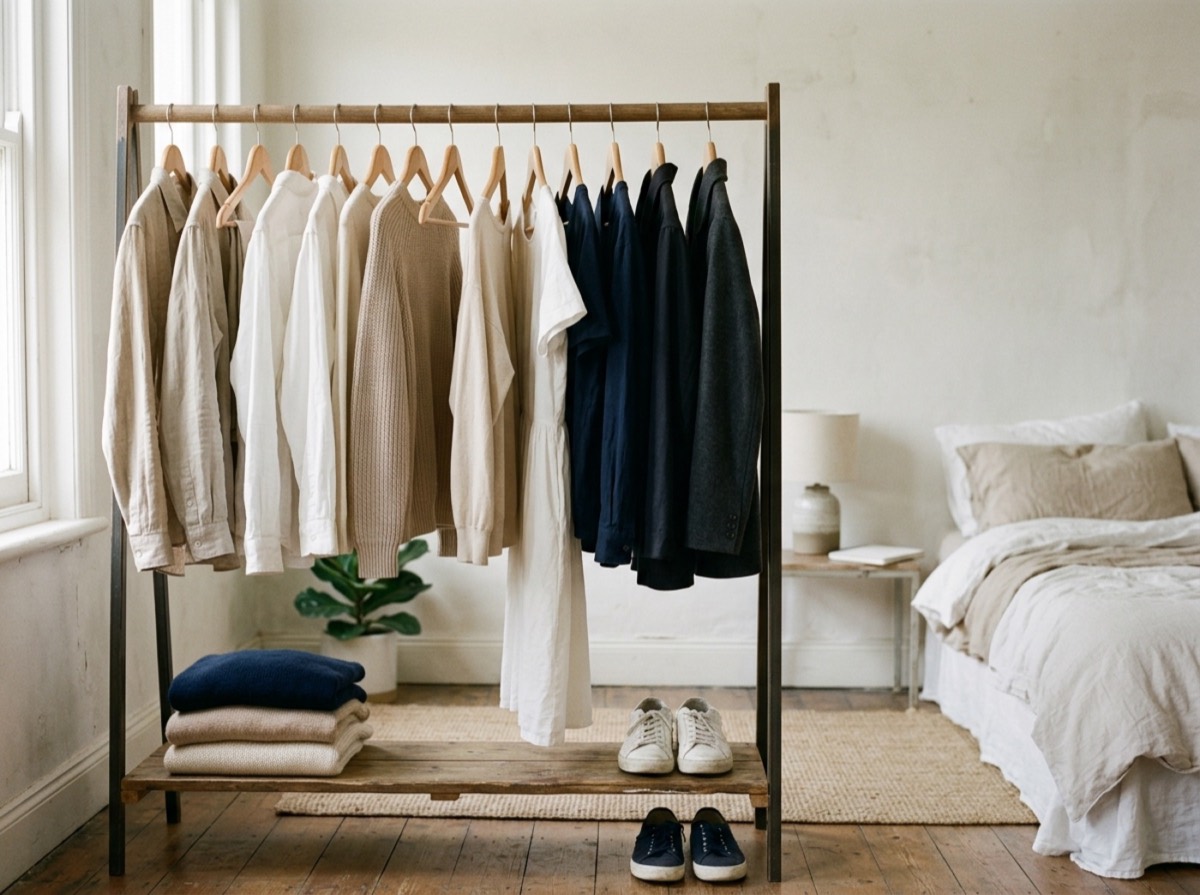
Learning how to build a capsule wardrobe is really about learning what you actually wear. A capsule wardrobe is a small collection of versatile, well-made clothes that all work together, so getting dressed is faster, shopping is more deliberate and your wardrobe feels full even with fewer items.
This step-by-step guide explains where the idea comes from, how many pieces you need, how to pick a colour palette, which essentials to include and how to keep the capsule working over time.
What is a capsule wardrobe?
A capsule wardrobe is a curated set of interchangeable clothes and shoes that can be combined into many outfits. The term was popularised in the 1970s by Susie Faux, who ran a London boutique and described it as a collection of essential pieces that would not go out of fashion and could be worn across several seasons.
In 1985, American designer Donna Karan brought the concept to wider attention with a small, interchangeable collection of workwear pieces for women. Today, capsule wardrobes are linked with minimalism and more sustainable shopping, but the core idea is practical: fewer clothes that all go together.
How many pieces should a capsule wardrobe have?
There is no fixed number. Many people aim for somewhere between 30 and 40 pieces per season, including shoes and outerwear but excluding underwear, sleepwear, gym kit and jewellery. One well-known challenge, Project 333, sets 33 items for three months.
Treat these numbers as a guide, not a rule. A person who works in an office and a person who works outdoors will need very different capsules. The goal is a wardrobe where nearly everything gets worn and mixes easily.
A capsule wardrobe is really about learning what you actually wear.
Step 1: Audit and declutter your current wardrobe
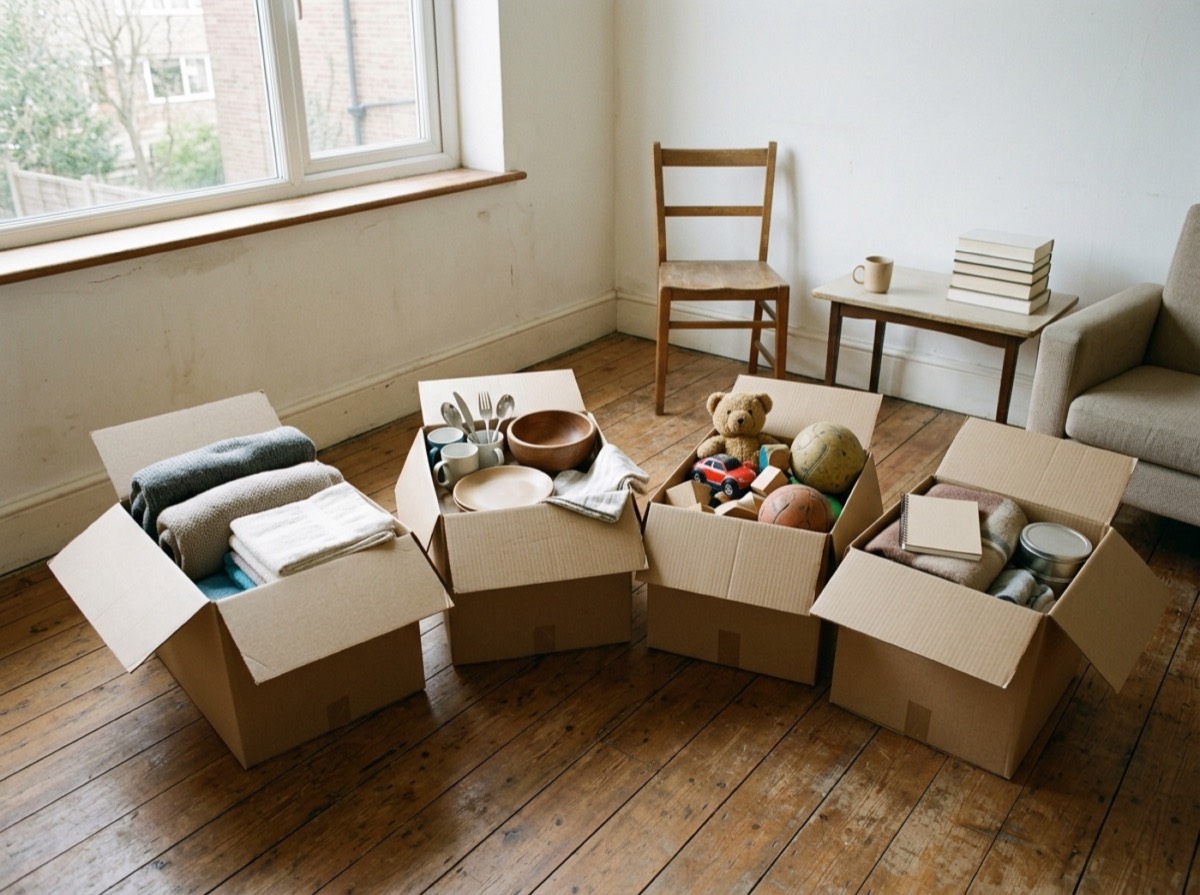
Take everything out and sort it into groups: love and wear often, keep but rarely wear, and no longer fits or suits you. Be honest. Items you have not worn for a year, that need repairs you will never make, or that you only keep out of guilt are candidates to go.
Look closely at your favourites and ask why you reach for them. Fit, fabric, colour and comfort usually explain it, and those clues shape the rest of your capsule. Sell, donate or recycle what you are letting go of. Put items you are unsure about in a box for a few months; if you do not miss them, let them go.
Step 2: Define your lifestyle and personal style
List what you actually do in a typical week: office days, working from home, school runs, exercise, evenings out. Estimate roughly what share of your time each takes. Your capsule should reflect that split, not an imagined life with more parties than you attend.
Then describe your style in a few words, for example relaxed and classic, or sharp and minimal. Save images of outfits you like and look for patterns in shapes, colours and fabrics. This keeps you from buying pieces that look good in the shop but never fit the rest of your wardrobe.
Step 3: Choose a capsule wardrobe colour palette
A tight palette is what makes a capsule work, because it means almost everything matches. A simple approach is to pick two or three neutral base colours, one or two main colours and one or two accents.
- Base neutrals: black, navy, grey, camel, cream or white
- Main colours: shades you love and that suit your skin tone, such as olive, burgundy or soft blue
- Accents: a brighter colour or pattern for scarves, shirts or shoes
Step 4: Capsule wardrobe essentials checklist
Your list will depend on your climate and routine, but many capsule wardrobes start from a similar core. Adapt these to your own style, whether that leans towards dresses and skirts, tailored trousers or casual layers.
- Plain T-shirts and tops in neutral colours
- A few shirts or blouses
- One or two knitted jumpers or cardigans
- Well-fitting jeans in a dark wash
- Tailored trousers or chinos
- A versatile dress or skirt, or smart trousers, for occasions
- A blazer or smart jacket
- A weather-appropriate coat and a lighter jacket
- Everyday trainers, smart shoes and boots
Step 5: Fill the gaps and shop smarter
Compare what you kept with your checklist and write down what is missing. Shop only from that list. Prioritise fit and quality over quantity: natural fibres such as wool, cotton and linen often wear well and are easy to care for. Check seams, buttons and fabric weight before you buy.
Before buying anything, ask whether you can make at least three outfits with pieces you already own. If not, it probably does not belong in your capsule. Second-hand and vintage shops are a good source of quality basics at lower cost.
Step 6: Maintain and rotate your capsule
Care for your clothes so they last. Wash less often and at lower temperatures when possible, air-dry, fold knitwear and repair small damage quickly. Store out-of-season pieces clean and dry.
Many people create a separate capsule for warmer and colder months, swapping a portion of items as the seasons change while keeping core basics year-round. At each swap, review what you wore and what you did not, and adjust. Travel and work capsules follow the same principles on a smaller scale.
Frequently asked questions
What is a capsule wardrobe?
+
It is a small collection of versatile clothes and shoes that all work together, so you can create many outfits from fewer pieces. The idea was popularised by London boutique owner Susie Faux in the 1970s.
How many items are in a capsule wardrobe?
+
Many people use around 30 to 40 items per season, including shoes and outerwear but not underwear or activewear. The right number depends on your lifestyle and climate.
What colours are best for a capsule wardrobe?
+
Start with two or three neutrals such as navy, black, grey, camel or cream, then add one or two main colours and a small accent. A limited palette makes most pieces combine easily.
Is a capsule wardrobe cheaper?
+
It can be over time, because you buy less, choose deliberately and wear everything more often. You may spend more per item on quality, but fewer impulse purchases usually offset that.
How do I start a capsule wardrobe on a budget?
+
Begin with what you already own, declutter and identify real gaps. Fill them slowly, buying second-hand where possible, and focus on basics that go with most of your existing clothes.
Can men have a capsule wardrobe?
+
Yes. The same steps apply: a neutral palette, well-fitting basics such as T-shirts, shirts, knitwear, dark jeans, chinos, a jacket and a few pairs of versatile shoes.
To build a capsule wardrobe, start by understanding what you already wear, then shape a small, coordinated collection around your real life and a clear colour palette. Fill gaps slowly with pieces that combine easily, look after them and review each season. You will spend less time deciding what to wear and more time enjoying the clothes you have.
How we research: Guides are written from established sources and checked for accuracy. They are general information, not professional advice.
Written by
Bitezine Editorial Team
Rankings, reviews & guides
Our editors research every piece from makers’ documentation, independent tests and owner reports, and update it when products change.